Tag: Black Metal

  • Ulver Nattens Madrigal – Aatte Hymne Til Ulven I Manden Review

    Preview in new tab

    General Information:

    Artist: Ulver
    Album: Nattens Madrigal – Aatte Hymne Til Ulven I Manden
    Genre(s): Heavy Metal
    Subgenre(s): Black Metal
    Released: 1997
    Length: 44 minutes
    Language(s): Dano-Norwegian
    Label(s): Century Media

    Track List:

    01. Hymne I: Wolf and Fear
    02. Hymne II: Wolf and the Devil
    03. Hymne III: Wolf and Hatred
    04. Hymne IV: Wolf and Man
    05. Hymne V: Wolf and the Moon
    06. Hymne VI: Wolf and Passion
    07. Hymne VII: Wolf and Destiny
    08. Hymne VIII: Wolf and the Night

    Note: Some versions of this album only use the roman numerals shown above for the track list so track 1 is “I” and track 8 is “VIII” etc.
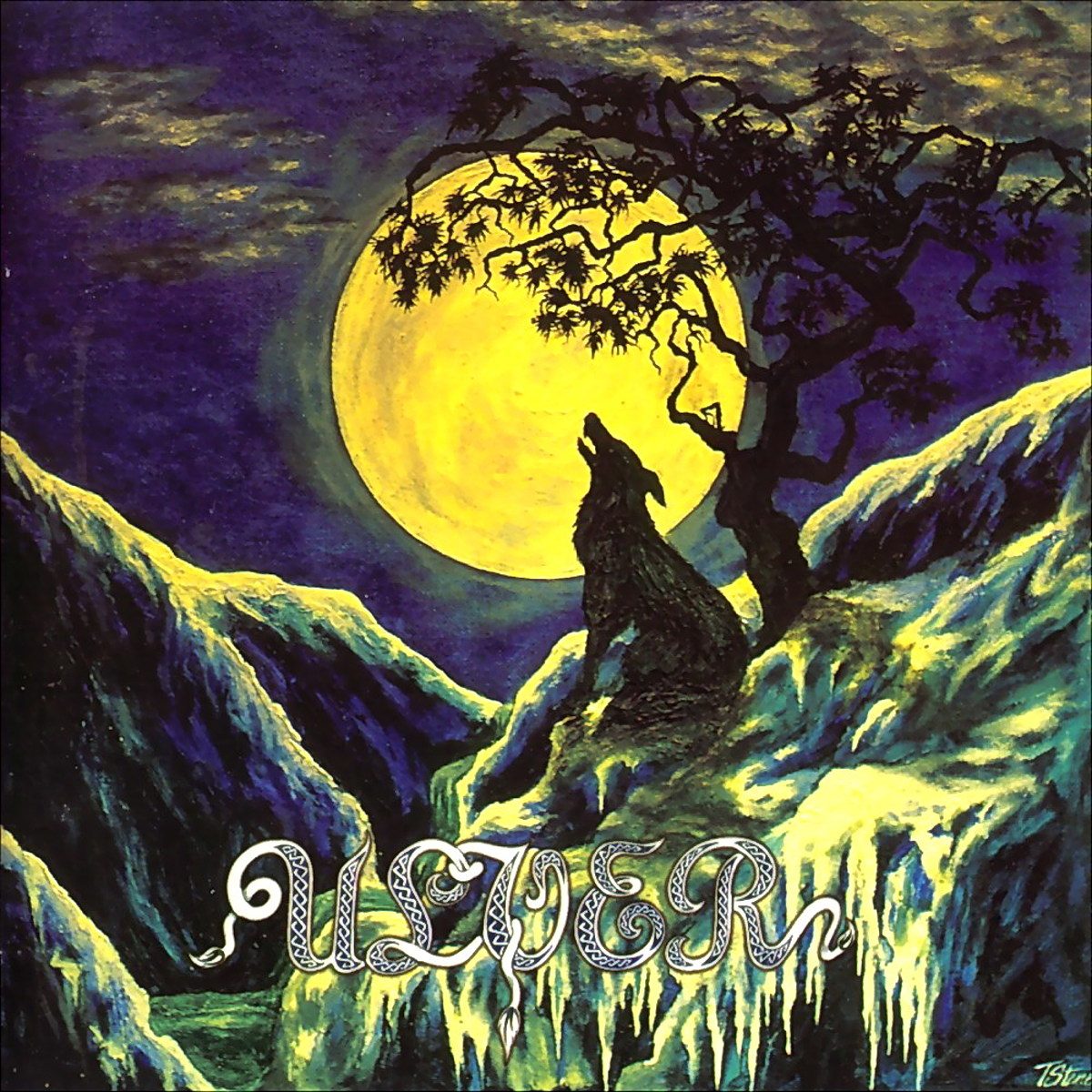
    Ulver Nattens Madrigal - Aatte Hymne Til Ulven I Manden Cover
    Ulver Nattens Madrigal – Aatte Hymne Til Ulven I Manden Cover

    Ulver Nattens Madrigal – Aatte Hymne Til Ulven I Manden Review

    Nattens Madrigal – Aatte Hymne Til Ulven I Manden, meaning “Madrigal of the Night – Eight Hymns to the Wolf in Man”, is the third album by Norwegian band Ulver. Bergtatt, their debut album, was a softer form of black metal with some influences from folk music, so Ulver proceeded to distil their hybrid sound into the original genres. The results of this are the neofolk sound on their second album, Kveldssanger, and their adherence to “raw” (read: under-produced) black metal here.

    The reasoning behind this under-produced album is supposed to be an intentional backlash against the growing popularity of black metal and bigger record labels signing the bands. The irony here is that Ulver moved from a small label, Head Not Found, to Century Media which already had a slew of success throughout the 1990s with Demolition Hammer, Iced Earth, Moonspell, Nevermore and then the City album by Strapping Young Lad that was released approximately 3 weeks before Nattens Madrigal.

    Unlike their previous two albums Nattens Madrigal is entirely undercooked as far as the recording goes. As a consequence the guitars sound like an angry swarm of bees, the drums patter away without any impact and the bass is an afterthought at best. Aside from a short acoustic interlude on track 1 and some even shorter ambient moments used to bridge certain songs together, there is nothing memorable or redeemable about this release.

    If there is anything worthwhile under all the noise it is forever lost on the intentionally-made mess that black metal fans tend to sing the praises of – which it certainly does not deserve – and there is no hint of irony. For anyone outside of this musical circle the mythical status Nattens Madrigal has achieved will forever be lost on them.

    If you didn’t have tinnitus before hearing Nattens Madrigal you certainly will after.

    https://www.youtube.com/watch?v=onFnt7JXMjQ

    Performers:

    Kristoffer “Garm” Rygg: Vocals
    Havard “Haavard” Jorgensen: Guitar
    Torbjorn “Aismal” Pedersen: Guitar
    Hugh “Skoll” Stephen James Mingay: Bass
    Eric “Aiwarikiar” Olivier Lancelot: Drums

    External Links:

    Ulver Homepage
    Ulver on Wikipedia
    Nattens Madrigal – Aatte Hymne Til Ulven I Manden on Wikipedia
  • Ulver Bergtatt – Et eeventyr i 5 capitler Review

    General Information:

    Artist: Ulver
    Album: Bergtatt – Et eeventyr i 5 capitler
    Genre(s): Heavy Metal
    Subgenre(s): Black Metal
    Released: 1995
    Length: 34 minutes
    Language(s): Dano-Norwegian
    Label(s): Head Not Found

    Track List:

    01. Capitel I: I Troldskog Faren Vild
    02. Capitel II: Soelen Gaaer Bag Aase Need
    03. Capitel III: Graablick Blev Hun Vaer
    04. Capitel IV: Een Stemme Locker
    05. Capitel V: Bergtatt – Ind I Fjeldkamrene

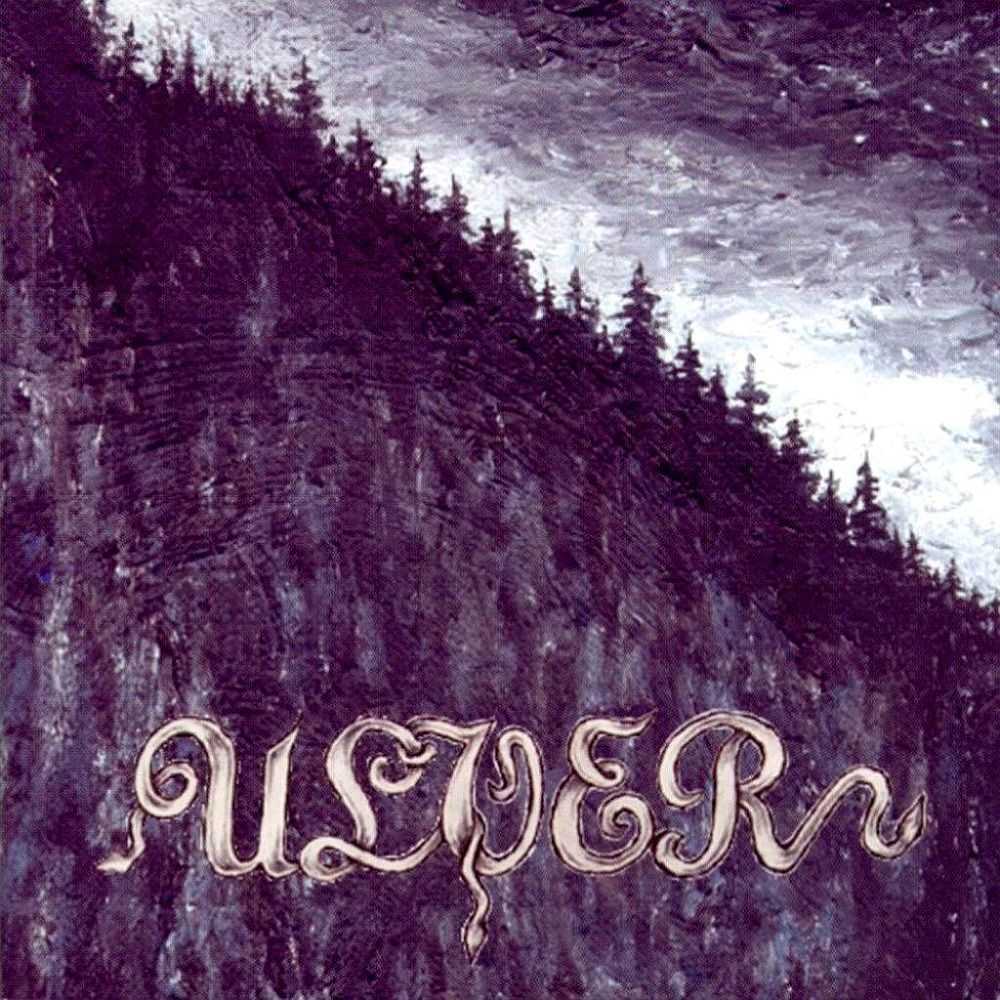
    Ulver Bergtatt - Et eeventyr i 5 capitler Cover
    Ulver Bergtatt – Et eeventyr i 5 capitler Cover

    Ulver Bergtatt – Et eeventyr i 5 capitler Review

    Bergtatt – Et eeventyr i 5 capitler, meaning “Spellbound – A Fairy Tale in 5 Chapters”, is the debut album of Norwegian band Ulver. Bergtatt is an irregular album within the second wave of black metal in that it shows a young band embracing a then still-new and growing subgenre of music while melding it with outside influences, ultimately running contrary to the trends and conventions of the scene. This album would later proved to be a front runner for the fusion genre of blackgaze – an unorthodox hybrid of black metal and the shoegaze subgenre of rock music – which emerged a decade or so later.

    Translated into English as “Lost in the Dark Forest” the first song, or chapter as per the format used in the song titles, presents the listener with one of the most accessible black metal songs of the album’s era. The young singer and lyricist Kristoffer Rygg, known by the pseudonym “Garm” at this time, has a light voice that sounds as though he is gently calling out through the distortion like a person’s figure emerging from the mist as they approach you.

    With any knowledge of black metal you would expect him to turn into a shrieking harpy as the song mutates into a frenzy of wrathful black metal dominated by overbearing blast beats from drummer Erik Olivier Lancelot. Somehow this never happens and the listener is only snapped out of the hazy, distortion-induced trance by the sudden transition to an acoustic guitar interlude nearly 6 minutes in. As good as the performance is, the transition to this is jarring to the point of upsetting the flow of the song. However, the transition back to black metal is well-executed and the electric guitar lead playing to the conclusion of the song is both tasteful and memorable.

    It does not take long to recognise that Bergtatt was created from a black metal foundation and punctuated with outside influences. Most notably this outside influence comes from folk music. It often comes in the form of interludes but there are longer segments in other chapters. Flautist Lill Kathrine Stensrud gives her talents to Chapter 2 to create a pastoral feel when mixed with the acoustic guitar and this song somehow ends with a short and gentle acapella outro. She also performs backing vocals on Chapter 4 which sees Ulver playing a straight hand throughout this piece. Ulver fully realise their folk tendencies here and it makes for a standout moment on Bergtatt but some black metal enthusiasts might find this piece wanting.

    The preceding Chapter 3 leans heavily into black metal but bassist Hugh Mingay still remains prominent in the mix. He adds a certain moody atmosphere through the use of a slow and hypnotic hook and Ulver adds a sample of a gunshot, which rings out in the middle of all this, just in case there isn’t already enough chaos blasting out your speakers.

    Following another uneasy transition, which could have been compelling if it was developed further, the frantic black metal changes into an up-tempo acoustic segment. Later there is another sample but this time of the footsteps of someone stumbling through a forest for a good minute. Thematically it follows the narrative of the lyrics and has a somewhat cinematic quality to it when mixed it in with the piano piece courtesy of Steinar Sverd Johnsen (Arcturus) but it only takes away from his playing but the sample goes on for far too long.

    Chapter 5 is the finale to Bergtatt and it continues the fusion that listeners will be well acquainted with by this point. When the song fades out with some sound effects, it is briefly revived for another acoustic outro. However, given how quiet it gets for a few seconds it almost comes across as a separate song. This further demonstrates that these contrasting genres are not always melded together as skilfully one might wish even if Ulver are proficient with both on their own.

    Ulver have never been a band to be pigeonholed, even when looking back on the very beginning of their career, and their willingness to unapologetically experiment and follow their own guiding star allowed them to be true to their own artistic vision and create their own niche in or outside of any music scene.

    Performers:

    Kristoffer “Garm” Rygg: Vocals
    Havard “Haavard” Jorgensen: Guitar
    Torbjorn “Aismal” Pedersen: Guitar
    Hugh “Skoll” Stephen James Mingay: Bass
    Eric “Aiwarikiar” Olivier Lancelot: Drums

    Additional Musicians:

    Lill Kathrine Stensrud: Backing Vocals, Flute
    Steinar Sverd Johnsen: Piano

    External Links:

    Ulver Homepage
    Ulver on Wikipedia
    Bergtatt – Et eeventyr i 5 capitler on Wikipedia

  • Darkspace Darkspace III I Review

    General Information:

    Artist: Darkspace
    Album: Darkspace III I
    Genre(s): Ambient, Heavy Metal
    Subgenres(s): Black Metal, Dark Ambient
    Released: 2014
    Length: 64 minutes
    Language(s): N/A
    Label(s): Avantgarde Music

    Track List:

    01. Dark 4.18
    02. Dark 4.19
    03. Dark 4.20

    Dark Space Dark Space III I Cover
    Dark Space Dark Space III I Cover

    Darkspace Darkspace III I Review

    Darkspace III I is the fourth album by Swiss black metallers Darkspace. Aside from every album having similar cover art work and following the same numerical sequence for song titles, they also repeat the same challenging run time with overly long songs blended together by using dark ambient segments. On the surface this description makes Darkspace sound as though they’re following the same rigid pattern as their older output, which begs the question of what’s new?

    Perhaps the most obvious change is in the recording quality because while Darkspace still insist on overloading the listener on high-density distortion, it doesn’t bare the same intensity of their earlier output and with Dark 4.19, their sound is refined to a significantly more accessible style that relies on simple and repetitive guitar riffs between the prevalent buzz-saw guitar and muffled blasting drum sections that can often go on for minutes at a time, which Dark 4.18 will acquaint you with soon enough.

    All three band members are credited for vocal duties but this is by far the most irrelevant part of the album because not only are they so sparsely arranged throughout these monstrously long songs, they are also completely unintelligible and buried under a mountain of distortion so it’s impossible to make anything of them. The only exception to this is the use of a small sample from the film 2010: The Year We Make Contact on Dark 4.20

    It’s also worth noting that this album is effectively a singular song broken down into three parts which are then stitched back together through the use of dark ambiance. In spite of the ambition and overall length of Darkspace III I, it would be a far cry to call this progressive metal due to the sheer repetition (if nothing else) and if it was to be cut down then you could easily have an album at half the length and twice the replay value.

    In short it’s best to say that this is business as usual for Darkspace. Existing fans will probably be delighted by it and for everyone else it’s going to be a question of being able to put time aside to listen to it uninterrupted.

    Performers:

    Zorgh: Bass, vocals
    Zhaaral: Guitar, vocals
    Worth: Guitar, vocals

    External Links:

    Darkspace Homepage
    Darkspace on Wikipedia
    Darkspace III I on Wikipedia

  • Ihsahn The Adversary Review

    General Information:

    Artist: Ihsahn
    Album: The Adversary
    Genre(s): Heavy Metal
    Subgenres(s): Black Metal, Progressive Metal
    Released: 2006
    Length: 50 minutes
    Language(s): English
    Label(s): Candlelight Records, Mnemosyne Productions

    Track List:

    01. Invocation
    02. Called by the Fire
    03. Citizen
    04. Homecoming
    05. Astera Ton Proinon
    06. Panem et Circenses
    07. And He Shall Walk in Empty Places
    08. Will You Love Me Now?
    09. The Pain is Still Mine

    Ihsahn The Adversary Cover
    Ihsahn The Adversary Cover

    Ihsahn The Adversary Review

    The Adversary is the debut solo album of Emperor front man and multi-instrumentalist Ihsahn. The sound of The Adversary is a continuation of the black metal and progressive metal hybrid that Emperor experimented with on their final album, Prometheus: The Discipline of Fire & Demise.

    Starting with Invocation, the listener gets a compact overview of what direction Ihsahn is taking as he introduces The Adversary with an intense black metal verse with matching lyrics and a screeched vocal delivery to invoke apocalyptic imagery before crying “let it all come down” which is appropriately accompanied by relentless blast beat drumming, courtesy of Asgeir Mickelson, to tie the lyrics and music together in a dramatic style.

    Keyboards are employed as a background instrument in both the hard and soft segments of the song, the latter of which lasts for about 2 minutes after the explosive blast beats, and introduces Ihsahn’s clean singing style that goes from even tempered to a strained falsetto wail.

    While Ihsahn shows some skill as a singer among his other musical talents Kristoffer Rygg (of Ulver fame) offers a stronger sung performance on Homecoming that can’t help but make the listener think that Ihsahn should have performed the harsh vocals while getting Kristoffer Rygg to cover the sung portion of The Adversary. The music on Homecoming also introduces more textural qualities when Kristoffer Rygg sings and this gives off the impression that at least parts of the song was written with his specific voice in mind but however you look at it, it proves to be a well-executed endeavour.

    The Pain is Still Mine is a little over 10 minutes long, making it twice the length of the other songs, but it gives the progressive metal strain much more room the breathe as you might expect if you are familiar with the subgenre. It should also be said that most of the progressive metal elements come in the form of each song having several different consecutive verses or instrumental passages and this isn’t the kind of album that lies on the virtuosity end of the progressive spectrum.

    Like any musician or band that blends polarising genres or sounds together, they must take care to fuse them together properly less they end up with a patchwork quilt of an album at worst or some head scratching transitions at best. In the case of The Adversary this sort of pitfall is avoided in most instances and there are only a couple of questionable transitional sections to be heard. One of these moments is the sudden stop half way into Citizen where you think that the song has ended but before you can finish that thought a piano melody comes out of nowhere and makes you think that it’s an entirely different song. However when this is spliced together with bursts of wrathful vocals and clean guitar playing later in the song the blending of styles is much more convincing.

    Perhaps the biggest drawback of this album is Ihsahn’s harsh vocal style which can often sound strained like Marge Simpson if she had a sore throat but for die hard Emperor fans wanting more material from one of black metals early stalwart musicians then this will hardly be something to fault. If you are a fan of indulgent-free progressive metal with a harder edge coming from the black metal realm then The Adversary is an ideal and relatively accessible point of reference to start with.

    Performers:

    Ihsahn: Vocals, guitar, bass guitar, keyboards
    Asgeir Mickelson: Drums
    Kristoffer Rygg: Guest vocals on “Homecoming”

    External Links:

    Ihsahn Homepage
    Ihsahn on Wikipedia
    The Adversary on Wikipedia

  • Agalloch Pale Folklore Review

    General Information:

    Artist: Agalloch
    Album: Pale Folklore
    Genre(s): Heavy Metal
    Subgenres(s): Black Metal, Progressive Metal
    Released: 1999
    Length: 62 minutes
    Language(s): English
    Label(s): The End Records

    Track List:

    01. She Painted Fire Across the Skyline I
    02. She Painted Fire Across the Skyline II
    03. She Painted Fire Across the Skyline III
    04. The Misshapen Steed
    05. Hallways of Enchanted Ebony
    06. Dead Winter Days
    07. As Embers Dress the Sky
    08. The Melancholy Spirit

    Agalloch Pale Folklore Cover
    Agalloch Pale Folklore Cover

    Agalloch Pale Folklore Review

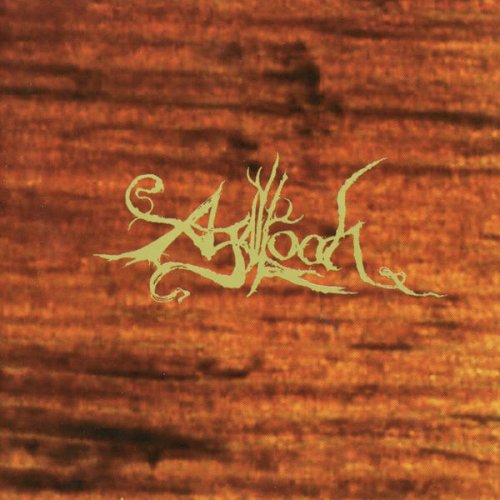
    Pale Folklore is the debut album of American heavy metal band Agalloch. The band has lofty ambitions that are shown through their blending of different metal genres, namely black metal and progressive metal, with neofolk and some other non-genre specific sounds. On top of that, these genres are woven into lengthy songs with much of it being composed of instrumental passages.

    The album is introduced with wind sound effects and a slow guitar melody which goes on for 2 minutes before the distortion is played up and the drums kick in on the first part of the She Painted Fire Across the Skyline trilogy. This quickly demonstrates some of the unevenness that permeates Pale Folklore because Agalloch intentionally use lo-fi production techniques on the black metal elements but not in other places (in the same song no less). The end result is clunky and muffled percussion that lifelessly patters around in the background while vocalist John Haughm rasp-speaks many of the lyrics, which gives way to the soft, cleanly produced moments with an opera singer wailing before jumping back to the lo-fi black metal sound.

    She Painted Fire Across the Skyline I and II are bridged together with more wind sound effects before turning into a straight-forward black metal song that lies on the softer end of the spectrum and contains another jarring transition near the end that upsets the flow needlessly. The final part of the trilogy has some quirks about it although it manages to remain the most focused part and it is a better example of their progressive metal song-writing. The dramatic clean singing moment is out of place but the performance by John Haughm deserves praising for his compelling delivery. Tubular bells make a brief appearance later on and they offer an interesting and memorable dynamic that is unfortunately short lived.

    Agalloch over-indulge on the wind sound effects as they make further appearances on The Melancholy Spirit and Hallways of Enchanted Ebony, which eventually descends into the ill-advised inclusion of animal noises and barking. These needless indulgences take on the form of sound effects more often than not but one exception is the out of place hammering of a piano right at the end of Dead Winter Days, which is an otherwise stand out song.

    The soft side of Agalloch is fully embraced on The Misshapen Steed, a melancholic ballad-turned-dramatic incidental music piece that has a cinematic quality to it. This song strays outside of heavy metal territory entirely and instead focuses on tasteful piano and keyboard playing.

    As Embers Dress the Sky is another well-rounded black metal excursion and is the second song to feature the unnamed opera singer. This time the raspy vocals and her own trade off each other in a well-executed beauty and the beast style before transitioning flawlessly into an acoustic passage. The heavy metal guitar work then jumps back in awkwardly and if it hasn’t become clear that Agalloch haven’t quite got the transitional elements of their song-writing down yet then this will convince you.

    Agalloch are a forward-thinking band that has demonstrated a great deal of potential on their debut album and while their song-writing can be unfocused and unpolished at times, it is clear that they have plenty ambition that if refined will yield some exciting results for the heavy metal community.

    Performers:

    Don Anderson: Guitar
    John Haughm: Vocals, guitar, drums
    Jason William Walton: Bass
    Shane Breyer: Keyboards
    Unnamed: Operatic vocals (tracks 1 and 7)

    External Links:

    Agalloch Homepage
    Agalloch on Wikipedia
    Pale Folklore on Wikipedia

  • Shylmagoghnar Emergence Review

    General Information:

    Artist: Shylmagoghnar
    Album: Emergence
    Genre(s): Heavy Metal
    Subgenres(s): Black Metal, Progressive Metal
    Released: 2014
    Length: 52 minutes
    Language(s): English
    Label(s): N/A

    Track List:

    01. I Am the Abyss
    02. Emergence
    03. Edin in Ashes
    04. This World Shall Fall
    05. Squandered Paradise
    06. Eternal Forest
    07. The Cosmic Tide
    08. A New Dawn
    09. The Sun No Longer

    Shylmagoghnar Emergence Cover
    Shylmagoghnar Emergence Cover

    Shylmagoghnar Emergence Review

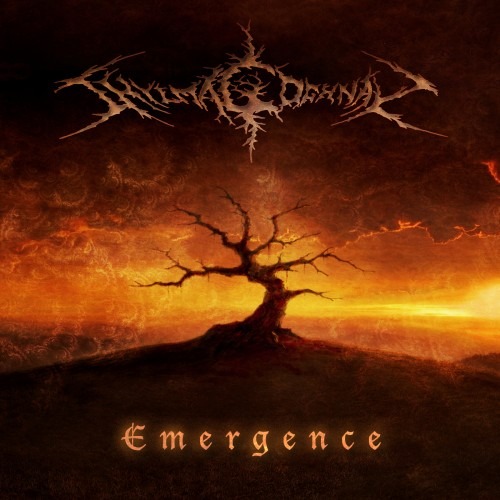
    Emergence is the self-released debut album of Dutch metallers Shylmagoghnar. While the core of the band’s sound is black metal they take cues from progressive metal to create longer, multi-faceted passages without ever needing to resort to self-indulgent musicianship. There are also influences from melodic death metal, most notably on the lead guitar, and the band makes good use of this along with tasteful keyboard arrangements to contrast with the black metal aesthetic which manages to be polished and accessible without attempting to pander to anyone.

    There are 4 instrumental songs to be heard on Emergence. Eternal Forest and The Cosmic Tide are both performed in the aforementioned black metal/progressive metal style whereas I Am the Abyss has noticeable influence from post rock/metal and is the longest song on the album at 9 minutes. This is a bold introductory song that grabs your attention and establishes Shylmagoghnar’s musical vision while expressing a great deal of personality and depth so effortlessly.

    The Sun No Longer is the final instrumental song and it also brings Emergence to a close all while being the biggest curveball on the album. While Nimblkorg is the primary song-writer, this one was composed by vocalist Skirge and is played entirely on keyboards with a melancholic feeling that isn’t present on any of the other songs. The feeling found here is thematically linked to his lyrics which deal with misanthropy and the end of humanity by citing the self-inflicted death and destruction done to one another throughout history. He then proceeds to mockingly cry “Hail the glorious humankind – Hail! Hail the splendour of our kind!” on Squandered Paradise to express his contempt.

    While these themes are prominent throughout Emergence the tone changes on A New Dawn when Skirge reflects on his negative assessment of humanity and conclude that “what’s done is done; the dice were cast/and the only path before us lies/striding towards the riches of a new dawn”. Lyrically this leaves Emergence on a hopeful note and looking at the previous songs it appears as though they chronical the duo struggling with the seemingly endless troubles of the world (we once gave in/to endless waves of melancholy/the weight of the world/and the torment of troubled souls) before having an epiphany that allowed them to push on.

    This World Shall Fall is another curveball found earlier in the album that is best described as “black metal without the guitars”. The tempo slows down and the focus is put on a drum and keyboard combination that is used to create a unique atmosphere that sets it apart from the other songs.

    Emergence is an ambitious debut album that blends different subgenres of heavy metal together while showcasing some adventurous song-writing abilities that never fall short of the mark. Shylmagoghnar aren’t afraid to throw themselves in at the deep end and if they can continue down this path they will undoubtedly carve out a well-deserved niche within the heavy metal community.

    Performers:

    Nimblkorg: Music, guitars, bass, drums, synths, vocals/lyrics on Emergence, mixing and mastering
    Skirge: Vocals, lyrics, music and synths on The Sun No Longer, additional compositions

    External Links:

    Shylmagoghnar Homepage
    Shylmagoghnar on Bandcamp
    Shylmagoghnar on Metal Archives

    Thursday 01/10/15: An excerpt of this review has been published on Shylmagoghnar’s Bandcamp page at the request of the artist.