Tag: Progressive Metal

  • Ihsahn The Adversary Review

    General Information:

    Artist: Ihsahn
    Album: The Adversary
    Genre(s): Heavy Metal
    Subgenres(s): Black Metal, Progressive Metal
    Released: 2006
    Length: 50 minutes
    Language(s): English
    Label(s): Candlelight Records, Mnemosyne Productions

    Track List:

    01. Invocation
    02. Called by the Fire
    03. Citizen
    04. Homecoming
    05. Astera Ton Proinon
    06. Panem et Circenses
    07. And He Shall Walk in Empty Places
    08. Will You Love Me Now?
    09. The Pain is Still Mine

    Ihsahn The Adversary Cover
    Ihsahn The Adversary Cover

    Ihsahn The Adversary Review

    The Adversary is the debut solo album of Emperor front man and multi-instrumentalist Ihsahn. The sound of The Adversary is a continuation of the black metal and progressive metal hybrid that Emperor experimented with on their final album, Prometheus: The Discipline of Fire & Demise.

    Starting with Invocation, the listener gets a compact overview of what direction Ihsahn is taking as he introduces The Adversary with an intense black metal verse with matching lyrics and a screeched vocal delivery to invoke apocalyptic imagery before crying “let it all come down” which is appropriately accompanied by relentless blast beat drumming, courtesy of Asgeir Mickelson, to tie the lyrics and music together in a dramatic style.

    Keyboards are employed as a background instrument in both the hard and soft segments of the song, the latter of which lasts for about 2 minutes after the explosive blast beats, and introduces Ihsahn’s clean singing style that goes from even tempered to a strained falsetto wail.

    While Ihsahn shows some skill as a singer among his other musical talents Kristoffer Rygg (of Ulver fame) offers a stronger sung performance on Homecoming that can’t help but make the listener think that Ihsahn should have performed the harsh vocals while getting Kristoffer Rygg to cover the sung portion of The Adversary. The music on Homecoming also introduces more textural qualities when Kristoffer Rygg sings and this gives off the impression that at least parts of the song was written with his specific voice in mind but however you look at it, it proves to be a well-executed endeavour.

    The Pain is Still Mine is a little over 10 minutes long, making it twice the length of the other songs, but it gives the progressive metal strain much more room the breathe as you might expect if you are familiar with the subgenre. It should also be said that most of the progressive metal elements come in the form of each song having several different consecutive verses or instrumental passages and this isn’t the kind of album that lies on the virtuosity end of the progressive spectrum.

    Like any musician or band that blends polarising genres or sounds together, they must take care to fuse them together properly less they end up with a patchwork quilt of an album at worst or some head scratching transitions at best. In the case of The Adversary this sort of pitfall is avoided in most instances and there are only a couple of questionable transitional sections to be heard. One of these moments is the sudden stop half way into Citizen where you think that the song has ended but before you can finish that thought a piano melody comes out of nowhere and makes you think that it’s an entirely different song. However when this is spliced together with bursts of wrathful vocals and clean guitar playing later in the song the blending of styles is much more convincing.

    Perhaps the biggest drawback of this album is Ihsahn’s harsh vocal style which can often sound strained like Marge Simpson if she had a sore throat but for die hard Emperor fans wanting more material from one of black metals early stalwart musicians then this will hardly be something to fault. If you are a fan of indulgent-free progressive metal with a harder edge coming from the black metal realm then The Adversary is an ideal and relatively accessible point of reference to start with.

    Performers:

    Ihsahn: Vocals, guitar, bass guitar, keyboards
    Asgeir Mickelson: Drums
    Kristoffer Rygg: Guest vocals on “Homecoming”

    External Links:

    Ihsahn Homepage
    Ihsahn on Wikipedia
    The Adversary on Wikipedia
  • Agalloch Pale Folklore Review

    General Information:

    Artist: Agalloch
    Album: Pale Folklore
    Genre(s): Heavy Metal
    Subgenres(s): Black Metal, Progressive Metal
    Released: 1999
    Length: 62 minutes
    Language(s): English
    Label(s): The End Records

    Track List:

    01. She Painted Fire Across the Skyline I
    02. She Painted Fire Across the Skyline II
    03. She Painted Fire Across the Skyline III
    04. The Misshapen Steed
    05. Hallways of Enchanted Ebony
    06. Dead Winter Days
    07. As Embers Dress the Sky
    08. The Melancholy Spirit

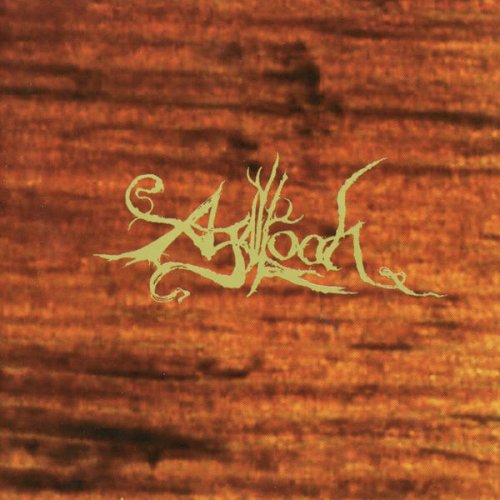
    Agalloch Pale Folklore Cover
    Agalloch Pale Folklore Cover

    Agalloch Pale Folklore Review

    Pale Folklore is the debut album of American heavy metal band Agalloch. The band has lofty ambitions that are shown through their blending of different metal genres, namely black metal and progressive metal, with neofolk and some other non-genre specific sounds. On top of that, these genres are woven into lengthy songs with much of it being composed of instrumental passages.

    The album is introduced with wind sound effects and a slow guitar melody which goes on for 2 minutes before the distortion is played up and the drums kick in on the first part of the She Painted Fire Across the Skyline trilogy. This quickly demonstrates some of the unevenness that permeates Pale Folklore because Agalloch intentionally use lo-fi production techniques on the black metal elements but not in other places (in the same song no less). The end result is clunky and muffled percussion that lifelessly patters around in the background while vocalist John Haughm rasp-speaks many of the lyrics, which gives way to the soft, cleanly produced moments with an opera singer wailing before jumping back to the lo-fi black metal sound.

    She Painted Fire Across the Skyline I and II are bridged together with more wind sound effects before turning into a straight-forward black metal song that lies on the softer end of the spectrum and contains another jarring transition near the end that upsets the flow needlessly. The final part of the trilogy has some quirks about it although it manages to remain the most focused part and it is a better example of their progressive metal song-writing. The dramatic clean singing moment is out of place but the performance by John Haughm deserves praising for his compelling delivery. Tubular bells make a brief appearance later on and they offer an interesting and memorable dynamic that is unfortunately short lived.

    Agalloch over-indulge on the wind sound effects as they make further appearances on The Melancholy Spirit and Hallways of Enchanted Ebony, which eventually descends into the ill-advised inclusion of animal noises and barking. These needless indulgences take on the form of sound effects more often than not but one exception is the out of place hammering of a piano right at the end of Dead Winter Days, which is an otherwise stand out song.

    The soft side of Agalloch is fully embraced on The Misshapen Steed, a melancholic ballad-turned-dramatic incidental music piece that has a cinematic quality to it. This song strays outside of heavy metal territory entirely and instead focuses on tasteful piano and keyboard playing.

    As Embers Dress the Sky is another well-rounded black metal excursion and is the second song to feature the unnamed opera singer. This time the raspy vocals and her own trade off each other in a well-executed beauty and the beast style before transitioning flawlessly into an acoustic passage. The heavy metal guitar work then jumps back in awkwardly and if it hasn’t become clear that Agalloch haven’t quite got the transitional elements of their song-writing down yet then this will convince you.

    Agalloch are a forward-thinking band that has demonstrated a great deal of potential on their debut album and while their song-writing can be unfocused and unpolished at times, it is clear that they have plenty ambition that if refined will yield some exciting results for the heavy metal community.

    Performers:

    Don Anderson: Guitar
    John Haughm: Vocals, guitar, drums
    Jason William Walton: Bass
    Shane Breyer: Keyboards
    Unnamed: Operatic vocals (tracks 1 and 7)

    External Links:

    Agalloch Homepage
    Agalloch on Wikipedia
    Pale Folklore on Wikipedia

  • Shylmagoghnar Emergence Review

    General Information:

    Artist: Shylmagoghnar
    Album: Emergence
    Genre(s): Heavy Metal
    Subgenres(s): Black Metal, Progressive Metal
    Released: 2014
    Length: 52 minutes
    Language(s): English
    Label(s): N/A

    Track List:

    01. I Am the Abyss
    02. Emergence
    03. Edin in Ashes
    04. This World Shall Fall
    05. Squandered Paradise
    06. Eternal Forest
    07. The Cosmic Tide
    08. A New Dawn
    09. The Sun No Longer

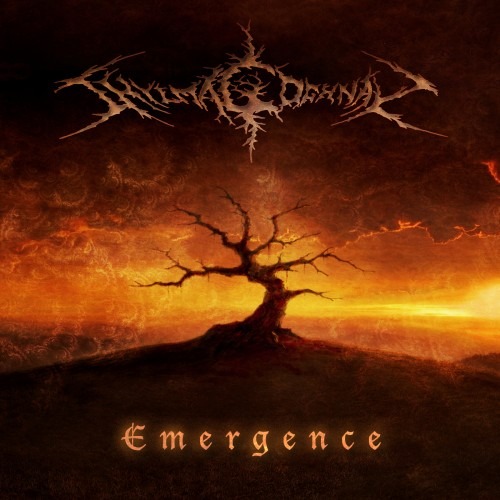
    Shylmagoghnar Emergence Cover
    Shylmagoghnar Emergence Cover

    Shylmagoghnar Emergence Review

    Emergence is the self-released debut album of Dutch metallers Shylmagoghnar. While the core of the band’s sound is black metal they take cues from progressive metal to create longer, multi-faceted passages without ever needing to resort to self-indulgent musicianship. There are also influences from melodic death metal, most notably on the lead guitar, and the band makes good use of this along with tasteful keyboard arrangements to contrast with the black metal aesthetic which manages to be polished and accessible without attempting to pander to anyone.

    There are 4 instrumental songs to be heard on Emergence. Eternal Forest and The Cosmic Tide are both performed in the aforementioned black metal/progressive metal style whereas I Am the Abyss has noticeable influence from post rock/metal and is the longest song on the album at 9 minutes. This is a bold introductory song that grabs your attention and establishes Shylmagoghnar’s musical vision while expressing a great deal of personality and depth so effortlessly.

    The Sun No Longer is the final instrumental song and it also brings Emergence to a close all while being the biggest curveball on the album. While Nimblkorg is the primary song-writer, this one was composed by vocalist Skirge and is played entirely on keyboards with a melancholic feeling that isn’t present on any of the other songs. The feeling found here is thematically linked to his lyrics which deal with misanthropy and the end of humanity by citing the self-inflicted death and destruction done to one another throughout history. He then proceeds to mockingly cry “Hail the glorious humankind – Hail! Hail the splendour of our kind!” on Squandered Paradise to express his contempt.

    While these themes are prominent throughout Emergence the tone changes on A New Dawn when Skirge reflects on his negative assessment of humanity and conclude that “what’s done is done; the dice were cast/and the only path before us lies/striding towards the riches of a new dawn”. Lyrically this leaves Emergence on a hopeful note and looking at the previous songs it appears as though they chronical the duo struggling with the seemingly endless troubles of the world (we once gave in/to endless waves of melancholy/the weight of the world/and the torment of troubled souls) before having an epiphany that allowed them to push on.

    This World Shall Fall is another curveball found earlier in the album that is best described as “black metal without the guitars”. The tempo slows down and the focus is put on a drum and keyboard combination that is used to create a unique atmosphere that sets it apart from the other songs.

    Emergence is an ambitious debut album that blends different subgenres of heavy metal together while showcasing some adventurous song-writing abilities that never fall short of the mark. Shylmagoghnar aren’t afraid to throw themselves in at the deep end and if they can continue down this path they will undoubtedly carve out a well-deserved niche within the heavy metal community.

    Performers:

    Nimblkorg: Music, guitars, bass, drums, synths, vocals/lyrics on Emergence, mixing and mastering
    Skirge: Vocals, lyrics, music and synths on The Sun No Longer, additional compositions

    External Links:

    Shylmagoghnar Homepage
    Shylmagoghnar on Bandcamp
    Shylmagoghnar on Metal Archives

    Thursday 01/10/15: An excerpt of this review has been published on Shylmagoghnar’s Bandcamp page at the request of the artist.

  • Behold the Arctopus Horrorcension Review

    General Information:

    Artist: Behold the Arctopus
    Album: Horrorcension
    Genre(s): Heavy Metal
    Subgenres(s): Progressive Metal
    Released: 2012
    Length: 28 minutes
    Language(s): N/A
    Label(s): Black Market Activities

    Track List:

    01. Disintegore
    02. Monolithic Destractions
    03. Horrorsentience
    04. Deluge of Sores
    05. Putrefucktion
    06. Annihilvore

    Behold the Arctopus Horrorscension Cover
    Behold the Arctopus Horrorscension Cover

    Behold the Arctopus Horrorcension Review

    Horrorcension is the second round of auditory carnage by progressive metal outfit Behold the Arctopus. The songs found on their debut, Skullgrid, are mere pop songs in comparison to the 28 minutes endurance test of Horrorcension. Normally an album should be reviewed on its own merits without more than a quiet nod to another album or band but to express how far-out Behold the Arctopus have swam, drawing some comparisons with Skullgrid is hard to avoid.

    While Skullgrid is certainly a difficult album, it did have some strong moments thrown in the mix along with a semi-sense of structure – a motif or reference point that the band went back to before taking the music in another direction. With Horrorcension there isn’t any of this and the music if far more outlandish than whatever you might think the ridiculous song titles allure to.

    The songs twist and turn in every way imaginable and make it nearly impossible to follow anything, leaving you with nothing more than a senseless cacophony of guitar screeches and percussive slaps that won’t mean anything to you. There are very few breaks from the status quo and the most noticeable are the short, merciful interludes found on Horrorsentience and Putrefucktion. The most memorable moment can be found on Annihilvore when Behold the Arctopus exchange their progressive metal frenzy for a relatively straightforward black metal sound mid song.

    While Horrorcension lacks emotion due to its intense focus on the technical skills and performance of the band, it is still guaranteed to give the listener an emotional reaction, albeit it will most likely be one of disgust.

    Performers:

    Mike Lerner: Guitars
    Colin Marston: Warr Guitars
    Weasel Walter: Drums

    External Links:

    Behold the Arctopus Homepage
    Behold the Arctopus on Wikipedia | Horrorcension on Wikipedia

  • Lost Horizon A Flame to the Ground Beneath Review

    Lost Horizon A Flame to the Ground Beneath Review

    Artist: Lost Horizon
    Album: A Flame to the Ground Beneath
    Genre(s): Heavy Metal
    Subgenres(s): Power Metal, Progressive Metal
    Released: 2003
    Length: 53 minutes
    Language(s): English
    Label(s): Music for Nations

    Track List:

    01. Transdimensional Revelation
    02. Pure
    03. Lost in the Depths of Me
    04. Again Will the Fire Burn
    05. The Song of Earth
    06. Cry of a Restless Soul
    07. Think Not Forever
    08. Highlander (The One)
    09. Deliverance

    Lost Horizon A Flame to the Ground Beneath Cover

    A Flame to the Ground Beneath is the second and final album by Swedish metal outfit Lost Horizon. It is a direct continuation of the distinctively uplifting power metal/progressive metal sound that they developed on their first album, Awaken the World.

    The songs are longer than before and in keeping with the tradition of progressive music, they contain many verses that can flow easily from one to the next without necessarily having the need for a chorus. The saving grace Lost Horizon balances this out with is never getting wrapped up in taking their songs in a thousand and one directions while maintaining their triumphant sound and positive message about self-empowerment and free will over fate in their lyrics.

    Sadly, Lost Horizon still insists on including their ambient interludes which fail to leave a lasting impression. The introduction song, Transdimensional Revelation, is slow on the uptake and doesn’t give any indication as to what A Flame to the Ground Beneath is all about. However it does serve as an excellent buffer to the first metal song, Pure, and gives it a bigger impact when it kicks in seemingly out of nowhere (although it should be noted that like the other songs, it can speak for itself). The odd coupling of ambient interludes and heavy metal is by no means a bad concept but the execution is definitely in need of refinement.

    Both the bass and keyboard playing can be heard clearly enough but the bass still finds itself competing with the guitars and drums like it does in many other metal bands. The keyboard tends to find itself in a supporting role but has a few moments to bolster some songs such as Lost in the Depths of Me and Again the Fire Will Burn. It is also the only instrument on the mid-album interlude The Song of Earth, which pleasantly enough turns out to be a full song rather than misguided soundscaping.

    Much like Awaken the World, A Flame to the Ground Beneath is sung entirely in English and not being the bands native language, there are some mishaps with the lyrics that don’t flow exactly as they should do. On most occasions Daniel Heiman’s vocal range alone will distract you from this and more than makes up for it.

    One of the major highlights of A Flame to the Ground Beneath is Highlander (The One), a 12 minute epic that features some of Daniel Heiman’s most extravagant moments and with all the wailing he does, it would make you think that the entire song was written for him to push his voice to the limit. The last minute of the song is by far one of the best metal moments committed to a recording. Unfortunately A Flame to the Ground Beneath ends with the interlude Deliverance. This deals a significant blow to the flow of the album as it should have ended on Highlander (The One) to give you the massive triumphant feeling that Lost Horizon is all about.

    The songs (that go from 6 to 12 minutes) might sound daunting on first impressions but Lost Horizon have the musical chops to back up their ambitious goals and present another significant entry into the power metal/progressive metal catalogue with A Flame to the Ground Beneath.

  • Behold the Arctopus Skullgrid Review

    Behold the Arctopus Skullgrid Review

    Artist: Behold the Arctopus
    Album: Skullgrid
    Genre(s): Heavy Metal
    Subgenres(s): Progressive Metal
    Released: 2007
    Length: 34 minutes
    Language(s): N/A
    Label(s): Black Market Activities

    Track List:

    01. Skullgrid
    02. Canada
    03. Of Cursed Womb
    04. You Are Number Six
    05. Some Mist
    06. Scepters
    07. Transient Exuberance

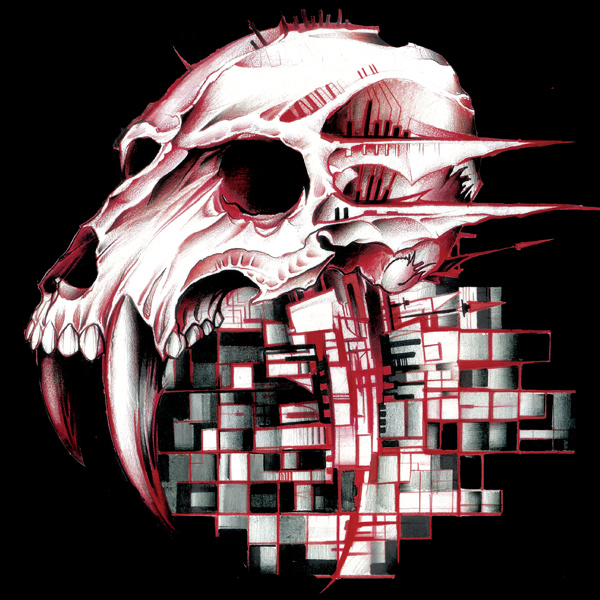
    Behold the Arctopus Skullgrid Cover

    Behold the Arctopus’ Skullgrid will either leave you in awe of the bands musical abilities or recovering from a throbbing headache. If you do manage to get passed the intense musical acrobatics of Skullgrid you’ll quickly find that there isn’t much left to intrigue you with beyond that.

    It’s nearly impossible to absorb and remember any of Skullgrid because no part of any song is present for more than a few seconds before it changes into something else. There are some strong moments but they are scattered throughout the album and get lost between the meandering instrumental passages on either side of them.

    Canada is probably the most coherent song on Skullgrid with the opening segment being repeated a handful of times at seemingly random intervals, making it at least partially memorable. Song lengths vary greatly on Skullgrid with the title track being just over a minute long, You Are Number Six clocking in at 9 minutes and the other 5 songs going from 3 to 7 minutes in length.

    There is easily enough material on Skullgrid to be fleshed out into multiple full length albums but instead you will hear Behold the Arctopus play every guitar scale, drum pattern and rhythm under the sun packed into a brief 34 minutes. The trio have technical abilities in spades but they would rather show off said abilities instead of crafting a series well thought out instrumental songs.

    Skullgrid can best be likened to masturbation: self-indulgent, messy and no one else should have to hear about it.

  • Devin Townsend Ziltoid the Omniscient Special Edition Review

    Artist: Devin Townsend
    Album: Ziltoid the Omniscient
    Genre(s): Heavy Metal, Rock
    Subgenres(s): Progressive Metal, Progressive Rock
    Released: 2007
    Length: 54 minutes (CD 1), 14 minutes (CD 2)
    Language(s): English
    Label(s): HevyDevy (Canada), InsideOut Music (Europe), Sony (Japan)

    Track List:

    01. ZTO
    02. By Your Command
    03. Ziltoidia Attaxx!!!
    04. Solar Winds
    05. Hyperdrive
    06. N9
    07. Planet Smasher
    08. Omnidimensional Creator
    09. Color Your World
    10. The Greys
    11. Tall Latte

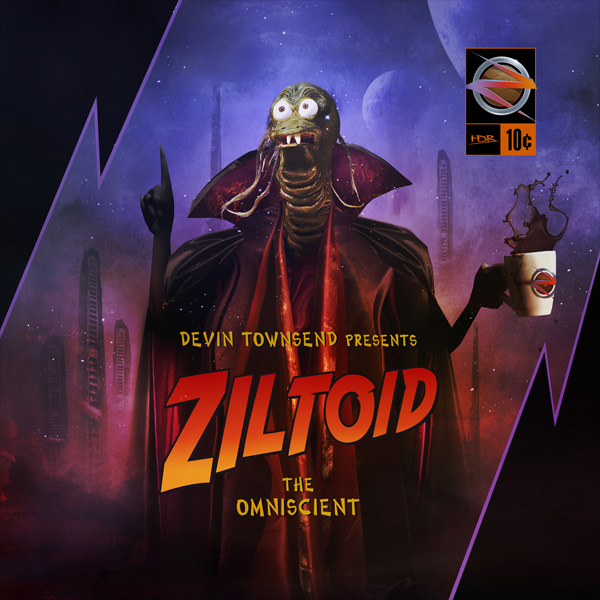
    Devin Townsend Ziltoid the Omniscient Cover

    Devin Townsend Ziltoid the Omniscient Special Edition Review

    Ziltoid the Omniscient is an album that was created, written, produced, recorded, engineered, programmed and mixed almost entirely by Devin Townsend alone. Mastered by Ue Nastasi, additional support was also given by Dave and Mike Young (additional engineering), Fredrik Thordenal (Drums) and The Beav and Dave (additional dialogue). The paragraph below provides an outline of the concept so if you want to avoid any spoilers skip ahead.

    Ziltoid travels to Earth in search of the universes ultimate cup of coffee (as explained in ZTO). Dissatisfied with the brew offered, he goes to war with Earth and sets out to capture the fleeing humans as they leave Earth in search of a way to stop him. Further into the adventure, Ziltoid encounters the Omnidimensional Creator who reveals the truth about his existence that leads to an unexpected conclusion. A more detailed synopsis can be found by reading through the lyrics and supporting text in the albums booklet.

    Townsend showcases his vocal talents through a range of spoken word voices, varying degrees of aggressive singing and shouting mixed with higher pitched and cleanly sung verses. Instrumentally, keyboards are more prominent during the softer moments but they do have some interplay with the metal parts of the songs although they can quickly lose out to the relentless mechanical drumming and synchronised guitar riffs. Songs like By Your Command and Ziltoidia Attaxx, (which is one of the two songs to feature guitar solos, the other being N9) exemplify this style.

    Solar Winds takes a different approach, featuring dramatic keyboard work and soft guitar playing while departing from the percussion entirely for a brief time. Eventually it builds up into a hard rock song before shifting into the hammering metal style again over a 10 minute period. Color Your World has a flawless transition between the metal and soft progressive rock parts that will make you question whether it’s even the same song until a raspy voice slowly roars “Ziltoid… the Omniscient” out of nowhere. Planet Smasher briefly gives the bass time to breathe by plodding alongside the guitar to create a sense of foreboding as it trudges on ominously. Townsend takes this opportunity to show off how deep and guttural he can make his voice, while making it fit the tempo of the song aptly.

    Hyperdrive is probably one of the biggest standout songs on the album because the music has a strong ethereal quality and a repetitive guitar hook that will stay in your head long after the album is over. Townsend’s voice follow suit as he sings in a soft and distant way for most of the song. N9 begins with an intense barrage of drum patterns and the keyboard jumps to the forefront and calls out with a sense of urgency, waking up the listener just in case you were getting too comfortable listening to Hyperdrive. The vocals are delivered in the same way as they are in Hyperdrive, which would makes it a good introductory song to metal for someone who isn’t fond of the harsher singing style but is interested in what can be offered musically.

    Two short interlude-type tracks are present on the album. The mid album Omnidimensional Creator is a dialogue between Ziltoid and the Omnidimensional Creator that disappears as fast as it arrives. The second is the albums closer, Tall Latte, which prevents it from finishing with the bang you’d expect, but it is necessary to finish the story. Other parts of the plot can be missed quite easily as the instruments are made the focal point in the mix and not always the vocals. It’s also worth noting that some of the lyrics are not directly related to the story and could contribute to this problem.

    All in all, Ziltoid the Omniscient is a highly entertaining and unique sounding album that doesn’t neatly fit into a subgenre. It could easily speak for itself based on the musical merits alone but the accompanying story, despite the narrative flaws, is joined with a great sense of humour (something that the metal realm often lacks) and a creative style of song writing that makes it an exciting and memorable listening experience.

    Track List (CD 2):

    01. Don’t Know Why
    02. Travelling Salesman
    03. Another Road

    The special edition CD has three tracks, the latter two of which do not relate to the Ziltoid concept. The first track does and opens with Ziltoid stating “you will hear some terrible, terrible bonus material but you know it’s Ziltoid so it’s fun” and manages to live up to both parts of the statement and the title, with Ziltoid going on a long, unfiltered tangent spanning several subjects in Don’t Know Why.

    Travelling Salesman is an upbeat song with a strong rhythm section and overly loud, punchy drums and slurred lyrics. Another Road features a fuzzed out electric guitar with some lively solos and a metronome ticking away over the top of everything for no discernible reason. Townsend’s voice is placed right at the back of it all for the duration of the song. In summary, the material has some novelty value to it and is worth a listen or two, but it isn’t the kind of thing that you will keep coming back to.

    External Links:

    Devin Townsend Homepage
    Devin Townsend on Wikipedia | Ziltoid the Omniscient Special Edition on Wikipedia
    Devin Townsend on Discogs | Ziltoid the Omniscient Special Edition on Discogs