Tag: Heavy Metal

  • Ulver Nattens Madrigal – Aatte Hymne Til Ulven I Manden Review

    Preview in new tab

    General Information:

    Artist: Ulver
    Album: Nattens Madrigal – Aatte Hymne Til Ulven I Manden
    Genre(s): Heavy Metal
    Subgenre(s): Black Metal
    Released: 1997
    Length: 44 minutes
    Language(s): Dano-Norwegian
    Label(s): Century Media

    Track List:

    01. Hymne I: Wolf and Fear
    02. Hymne II: Wolf and the Devil
    03. Hymne III: Wolf and Hatred
    04. Hymne IV: Wolf and Man
    05. Hymne V: Wolf and the Moon
    06. Hymne VI: Wolf and Passion
    07. Hymne VII: Wolf and Destiny
    08. Hymne VIII: Wolf and the Night

    Note: Some versions of this album only use the roman numerals shown above for the track list so track 1 is “I” and track 8 is “VIII” etc.
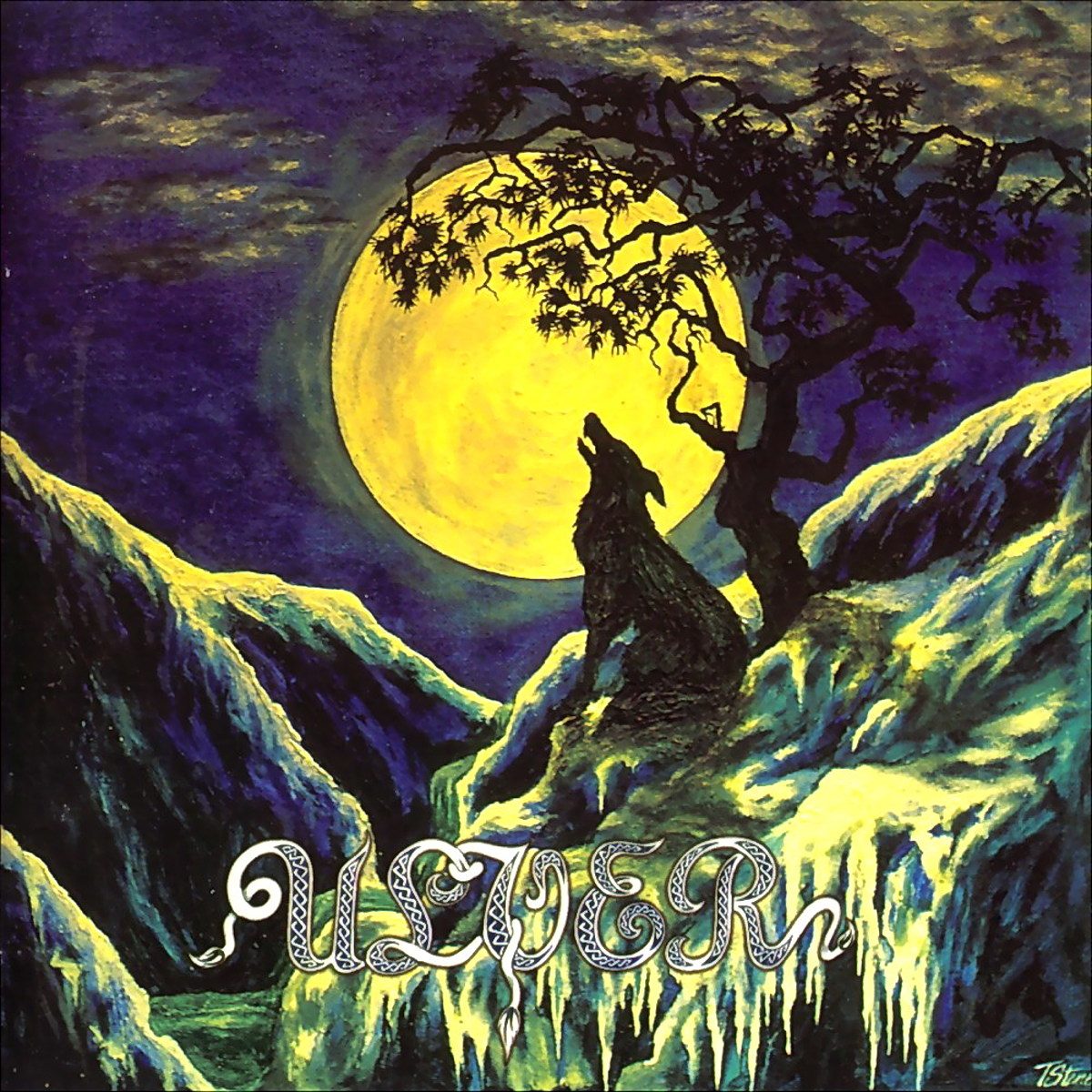
    Ulver Nattens Madrigal - Aatte Hymne Til Ulven I Manden Cover
    Ulver Nattens Madrigal – Aatte Hymne Til Ulven I Manden Cover

    Ulver Nattens Madrigal – Aatte Hymne Til Ulven I Manden Review

    Nattens Madrigal – Aatte Hymne Til Ulven I Manden, meaning “Madrigal of the Night – Eight Hymns to the Wolf in Man”, is the third album by Norwegian band Ulver. Bergtatt, their debut album, was a softer form of black metal with some influences from folk music, so Ulver proceeded to distil their hybrid sound into the original genres. The results of this are the neofolk sound on their second album, Kveldssanger, and their adherence to “raw” (read: under-produced) black metal here.

    The reasoning behind this under-produced album is supposed to be an intentional backlash against the growing popularity of black metal and bigger record labels signing the bands. The irony here is that Ulver moved from a small label, Head Not Found, to Century Media which already had a slew of success throughout the 1990s with Demolition Hammer, Iced Earth, Moonspell, Nevermore and then the City album by Strapping Young Lad that was released approximately 3 weeks before Nattens Madrigal.

    Unlike their previous two albums Nattens Madrigal is entirely undercooked as far as the recording goes. As a consequence the guitars sound like an angry swarm of bees, the drums patter away without any impact and the bass is an afterthought at best. Aside from a short acoustic interlude on track 1 and some even shorter ambient moments used to bridge certain songs together, there is nothing memorable or redeemable about this release.

    If there is anything worthwhile under all the noise it is forever lost on the intentionally-made mess that black metal fans tend to sing the praises of – which it certainly does not deserve – and there is no hint of irony. For anyone outside of this musical circle the mythical status Nattens Madrigal has achieved will forever be lost on them.

    If you didn’t have tinnitus before hearing Nattens Madrigal you certainly will after.

    https://www.youtube.com/watch?v=onFnt7JXMjQ

    Performers:

    Kristoffer “Garm” Rygg: Vocals
    Havard “Haavard” Jorgensen: Guitar
    Torbjorn “Aismal” Pedersen: Guitar
    Hugh “Skoll” Stephen James Mingay: Bass
    Eric “Aiwarikiar” Olivier Lancelot: Drums

    External Links:

    Ulver Homepage
    Ulver on Wikipedia
    Nattens Madrigal – Aatte Hymne Til Ulven I Manden on Wikipedia
  • Ulver Bergtatt – Et eeventyr i 5 capitler Review

    General Information:

    Artist: Ulver
    Album: Bergtatt – Et eeventyr i 5 capitler
    Genre(s): Heavy Metal
    Subgenre(s): Black Metal
    Released: 1995
    Length: 34 minutes
    Language(s): Dano-Norwegian
    Label(s): Head Not Found

    Track List:

    01. Capitel I: I Troldskog Faren Vild
    02. Capitel II: Soelen Gaaer Bag Aase Need
    03. Capitel III: Graablick Blev Hun Vaer
    04. Capitel IV: Een Stemme Locker
    05. Capitel V: Bergtatt – Ind I Fjeldkamrene

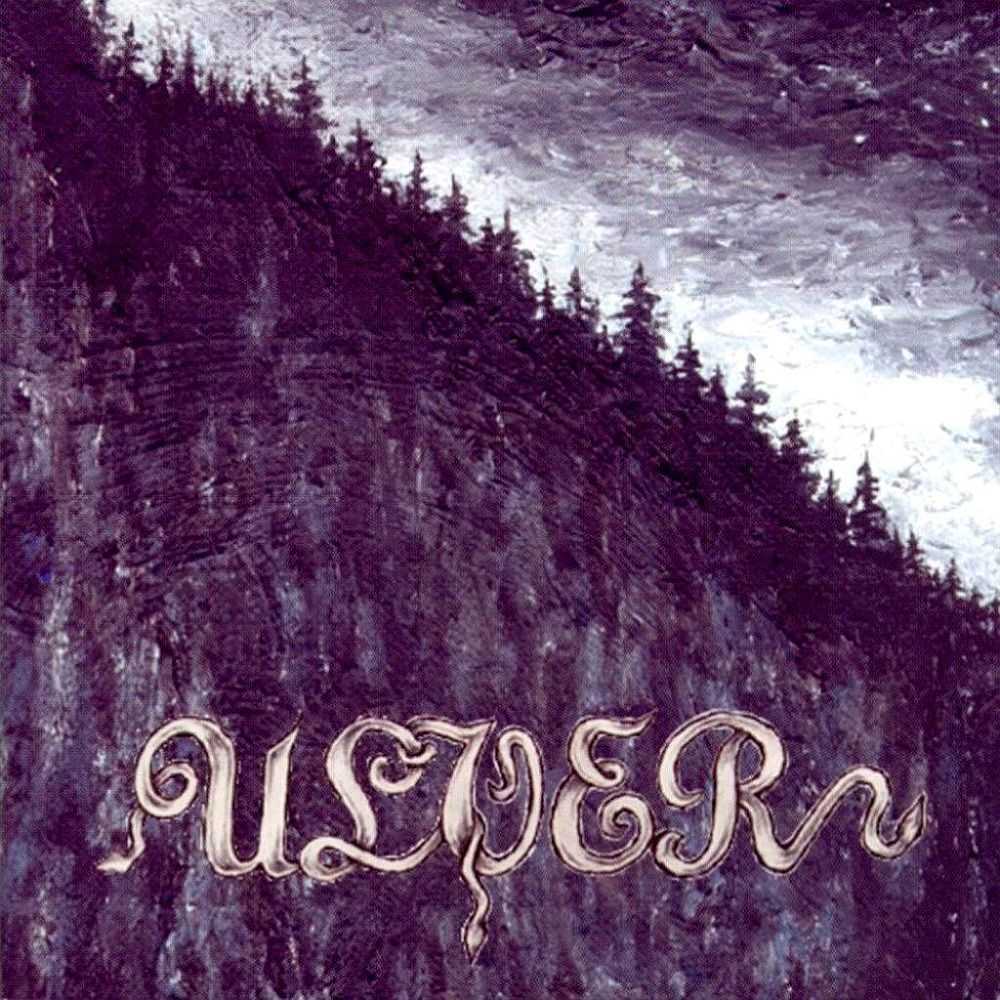
    Ulver Bergtatt - Et eeventyr i 5 capitler Cover
    Ulver Bergtatt – Et eeventyr i 5 capitler Cover

    Ulver Bergtatt – Et eeventyr i 5 capitler Review

    Bergtatt – Et eeventyr i 5 capitler, meaning “Spellbound – A Fairy Tale in 5 Chapters”, is the debut album of Norwegian band Ulver. Bergtatt is an irregular album within the second wave of black metal in that it shows a young band embracing a then still-new and growing subgenre of music while melding it with outside influences, ultimately running contrary to the trends and conventions of the scene. This album would later proved to be a front runner for the fusion genre of blackgaze – an unorthodox hybrid of black metal and the shoegaze subgenre of rock music – which emerged a decade or so later.

    Translated into English as “Lost in the Dark Forest” the first song, or chapter as per the format used in the song titles, presents the listener with one of the most accessible black metal songs of the album’s era. The young singer and lyricist Kristoffer Rygg, known by the pseudonym “Garm” at this time, has a light voice that sounds as though he is gently calling out through the distortion like a person’s figure emerging from the mist as they approach you.

    With any knowledge of black metal you would expect him to turn into a shrieking harpy as the song mutates into a frenzy of wrathful black metal dominated by overbearing blast beats from drummer Erik Olivier Lancelot. Somehow this never happens and the listener is only snapped out of the hazy, distortion-induced trance by the sudden transition to an acoustic guitar interlude nearly 6 minutes in. As good as the performance is, the transition to this is jarring to the point of upsetting the flow of the song. However, the transition back to black metal is well-executed and the electric guitar lead playing to the conclusion of the song is both tasteful and memorable.

    It does not take long to recognise that Bergtatt was created from a black metal foundation and punctuated with outside influences. Most notably this outside influence comes from folk music. It often comes in the form of interludes but there are longer segments in other chapters. Flautist Lill Kathrine Stensrud gives her talents to Chapter 2 to create a pastoral feel when mixed with the acoustic guitar and this song somehow ends with a short and gentle acapella outro. She also performs backing vocals on Chapter 4 which sees Ulver playing a straight hand throughout this piece. Ulver fully realise their folk tendencies here and it makes for a standout moment on Bergtatt but some black metal enthusiasts might find this piece wanting.

    The preceding Chapter 3 leans heavily into black metal but bassist Hugh Mingay still remains prominent in the mix. He adds a certain moody atmosphere through the use of a slow and hypnotic hook and Ulver adds a sample of a gunshot, which rings out in the middle of all this, just in case there isn’t already enough chaos blasting out your speakers.

    Following another uneasy transition, which could have been compelling if it was developed further, the frantic black metal changes into an up-tempo acoustic segment. Later there is another sample but this time of the footsteps of someone stumbling through a forest for a good minute. Thematically it follows the narrative of the lyrics and has a somewhat cinematic quality to it when mixed it in with the piano piece courtesy of Steinar Sverd Johnsen (Arcturus) but it only takes away from his playing but the sample goes on for far too long.

    Chapter 5 is the finale to Bergtatt and it continues the fusion that listeners will be well acquainted with by this point. When the song fades out with some sound effects, it is briefly revived for another acoustic outro. However, given how quiet it gets for a few seconds it almost comes across as a separate song. This further demonstrates that these contrasting genres are not always melded together as skilfully one might wish even if Ulver are proficient with both on their own.

    Ulver have never been a band to be pigeonholed, even when looking back on the very beginning of their career, and their willingness to unapologetically experiment and follow their own guiding star allowed them to be true to their own artistic vision and create their own niche in or outside of any music scene.

    Performers:

    Kristoffer “Garm” Rygg: Vocals
    Havard “Haavard” Jorgensen: Guitar
    Torbjorn “Aismal” Pedersen: Guitar
    Hugh “Skoll” Stephen James Mingay: Bass
    Eric “Aiwarikiar” Olivier Lancelot: Drums

    Additional Musicians:

    Lill Kathrine Stensrud: Backing Vocals, Flute
    Steinar Sverd Johnsen: Piano

    External Links:

    Ulver Homepage
    Ulver on Wikipedia
    Bergtatt – Et eeventyr i 5 capitler on Wikipedia

  • Ahab The Call of the Wretched Sea Review

    General Information:

    Artist: Ahab
    Album: The Call of the Wretched Sea
    Genre(s): Heavy Metal
    Subgenres(s): Funeral Doom
    Released: 2006
    Length: 67 minutes
    Language(s): English
    Label(s): Deviant Records, Napalm Records

    Track List:

    01. Below the Sun
    02. The Pacific
    03. Old Thunder
    04. Of the Monstrous Pictures of Whales
    05. The Sermon
    06. The Hunt
    07. Ahab’s Oath

    Ahab The Call of the Wretched Sea Cover
    Ahab The Call of the Wretched Sea Cover

    Ahab The Call of the Wretched Sea Review

    The Call of the Wretched Sea is the debut album of German funeral doom metal band Ahab. By combining one of the most niche subgenres in heavy metal with their interpretation of Herman Melville’s Moby Dick, Ahab create a gripping atmosphere which holds ones imagination as they take you on a voyage of murky obsession.

    The atmosphere really is the key to The Call of the Wretched Sea and this even extends to the vocal performance of Daniel Droste, who performs death growls at a staggeringly slow pace that, at times, gives the impression that his voice is part of the soundscape rather than a focal point of the music as you would expect in most other forms of music. This is of course detrimental to the lyrical aspect that they are praised for because if you want any chance of comprehending them then you will need to have the lyrics in front of you when listening to The Call of the Wretched Sea.

    Ahab have their sound expertly crafted, that much should be self-evident to any listener early into the album, but their song-writing still leaves something to be desired. This album is 67 minutes long and there isn’t nearly enough variety to justify so much material, especially when five of the songs are upwards of ten minutes long and mostly rely on the same simple approach to playing – the lack of melody or memorable riffs blurs everything into one overly long song. The only exceptions are Old Thunder, which delves into the somewhat more up-tempo territory of the death-doom hybrid genre and the second is the interlude Of the Monstrous Pictures of Whales which leads directly into The Sermon to create a two part song with the drastic change in sound being half the reason it stands out as much as it does.

    There are some other sections sprinkled throughout the album in an attempt to diversify their sound and the first example of this is the highly memorable ambient introduction to Below the Sun that is followed by a thunderous shift to metal as ushered in by drummer Cornelius Althammer. The Sermon contains an extended break in the middle of the song that conjures a compelling stormy sea setting that departs entirely from metal. By using recordings of wind interwoven with minimalist clear guitar playing and a spoken word performance that sounds like it has come from an ancient recording Ahab effectively demonstrate what they are capable of doing outside of the realm of metal.

    A better balance of these elements, as well as cutting down the overall length of The Call of the Wretched Sea, would have gone a long way but if you want a metal album that truly does bring atmosphere to the forefront then this is an ideal starting point.

    Performers:

    Daniel Droste: Vocals, Electric guitar
    Christian Hector: Guitar
    Stephan Adolph: Bass guitar, guitar, vocals
    Cornelius Althammer: Drums

    External Links:

    Ahab Homepage
    Ahab on Wikipedia
    The Call of the Wretched Sea on Wikipedia

  • Gojira Magma Review

    General Information:

    Artist: Gojira
    Album: Magma
    Genre(s): Heavy Metal
    Subgenres(s): Groove Metal
    Released: 2016
    Length: 44 minutes
    Language(s): English
    Label(s): Roadrunner Records

    Track List:

    01. The Shooting Star
    02. Silvera
    03. The Cell
    04. Stranded
    05. Yellowstone
    06. Magma
    07. Pray
    08. Only Pain
    09. Low Lands
    10. Liberation

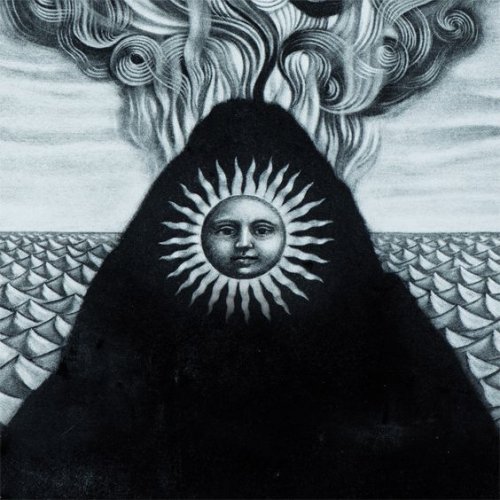
    Gojira Magma Cover
    Gojira Magma Cover

    Gojira Magma Review

    Magma is the sixth album by French heavy metal band Gojira. By their own standard, Gojira are far more subdued and concise on Magma than all of their predecessors with much of this being down to a conscious decision “to be a little punchier sometimes*”. The unfortunate passing of Joe and Mario Duplantier’s mother will also have undoubtedly had an effect on the mood of the album too.

    Those familiar with the band will expect Mario Duplantier to unleash a percussive barrage at the start of The Shooting Star but instead the song breaks into a simple nu metal-esque guitar riff, rock drumming and monotonous chanting wrapped up in reverb. To their credit this well-worn style is done with a unique flare and as the first song it sends a message to long-time fans that Magma is going to have something different about it.

    This isn’t to say that long-time fans will be alienated because the next three songs, Silvera, The Cell and Stranded leap right back into the groove metal sound that Gojira fans are listening out for, complete with the shouted vocals that are sometimes mixed with this new monotonous speak-singing style, but the death metal influence has all but evaporated.

    Gojira tradition dictates that there should be a short instrumental track in the middle of the album and this time it comes in the form of Yellowstone, a 79 second garage rock jam doused in distortion that is, to put it politely, unfocused. Maybe the band was testing the waters or maybe they needed a new way to express themselves but in the end it comes up short. In contrast the acoustic song, Liberation, is a peaceful instrumental that is as stripped back as it gets with only a simple percussive beat to accompany the guitar. It isn’t how you’d expect the album to end but it is pleasant and quite possibly the most honest expression of some of the feelings in the band.

    Between introducing a flute on Pray, flirting with new genres and taking a lighter approach to their own style Gojira are still far from a full-on metamorphosis like some bands have undergone. For this reason there is plenty here to appease the core fans while still being able to cast a wider net without overtly changing. Only time will tell if the band embraces these new characteristics or reverts back to their traditional sound.

    Performers:

    Joe Duplantier: Vocals, guitar, flute
    Christian Andreu: Guitar
    Jean-Michel Labadie: Bass
    Mario Duplantier: Drums

    External Links:

    Gojira Homepage
    Gojira on Wikipedia
    Magma on Wikipedia

    * http://www.blabbermouth.net/news/gojiras-joseph-duplantier-says-next-album-will-feature-some-pantera-ish-kind-of-riffs/ “We want [the riffs] to be a little punchier sometimes”

  • Darkspace Darkspace III I Review

    General Information:

    Artist: Darkspace
    Album: Darkspace III I
    Genre(s): Ambient, Heavy Metal
    Subgenres(s): Black Metal, Dark Ambient
    Released: 2014
    Length: 64 minutes
    Language(s): N/A
    Label(s): Avantgarde Music

    Track List:

    01. Dark 4.18
    02. Dark 4.19
    03. Dark 4.20

    Dark Space Dark Space III I Cover
    Dark Space Dark Space III I Cover

    Darkspace Darkspace III I Review

    Darkspace III I is the fourth album by Swiss black metallers Darkspace. Aside from every album having similar cover art work and following the same numerical sequence for song titles, they also repeat the same challenging run time with overly long songs blended together by using dark ambient segments. On the surface this description makes Darkspace sound as though they’re following the same rigid pattern as their older output, which begs the question of what’s new?

    Perhaps the most obvious change is in the recording quality because while Darkspace still insist on overloading the listener on high-density distortion, it doesn’t bare the same intensity of their earlier output and with Dark 4.19, their sound is refined to a significantly more accessible style that relies on simple and repetitive guitar riffs between the prevalent buzz-saw guitar and muffled blasting drum sections that can often go on for minutes at a time, which Dark 4.18 will acquaint you with soon enough.

    All three band members are credited for vocal duties but this is by far the most irrelevant part of the album because not only are they so sparsely arranged throughout these monstrously long songs, they are also completely unintelligible and buried under a mountain of distortion so it’s impossible to make anything of them. The only exception to this is the use of a small sample from the film 2010: The Year We Make Contact on Dark 4.20

    It’s also worth noting that this album is effectively a singular song broken down into three parts which are then stitched back together through the use of dark ambiance. In spite of the ambition and overall length of Darkspace III I, it would be a far cry to call this progressive metal due to the sheer repetition (if nothing else) and if it was to be cut down then you could easily have an album at half the length and twice the replay value.

    In short it’s best to say that this is business as usual for Darkspace. Existing fans will probably be delighted by it and for everyone else it’s going to be a question of being able to put time aside to listen to it uninterrupted.

    Performers:

    Zorgh: Bass, vocals
    Zhaaral: Guitar, vocals
    Worth: Guitar, vocals

    External Links:

    Darkspace Homepage
    Darkspace on Wikipedia
    Darkspace III I on Wikipedia

  • Sabaton Heroes Review

    General Information:

    Artist: Sabaton
    Album: Heroes
    Genre(s): Heavy Metal
    Subgenres(s): Traditional Metal
    Released: 2014
    Length: 37 minutes
    Language(s): English
    Label(s): Nuclear Blast

    Track List:

    01. Night Witches
    02. No Bullets Fly
    03. Smoking Snakes
    04. Inmate 4859
    05. To Hell and Back
    06. The Ballad of Bull
    07. Resist and Bite
    08. Soldier of 3 Armies
    09. Far from the Fame
    10. Hearts of Iron

    Sabaton Heroes Cover
    Sabaton Heroes Cover

    Sabaton Heroes Review

    Heroes is the 7th studio album by Swedish heavy metal band Sabaton. Following the announcement on 31st March 2012 that 4 members had simultaneously departed the band, lead vocalist, primary songwriter and now keyboardist Joakim Brodén and bassist Pär Sundström were saddled with the arduous task of reforming the line-up. With 3 new band members being brought into the fold it would be difficult to guess what would happen after such a heavy blow was dealt.

    Heroes sees the sound of Sabaton moving away from the realm of power metal and drawing closer to traditional metal with their secret weapon, the voice of Joakim Brodén, being made the focal point of every song. His powerful and charismatic performance commands the listeners’ attention while bassist Pär Sundström and guitarists Chris Rörland and Thobbe Englund all double up as backing vocalists to add a real anthemic quality with their gang vocal delivery.

    Long-time Sabaton fans will be familiar with the lyrical content largely revolving around military history and Heroes is no exception although a slightly different approach is taken because each song is used to sing the praises soldiers who exemplified humanity, bravery and valour while often facing dire circumstances in historical battles.

    The lyrics take on a central role in songs that are heavily informed by pop song structure and length so they can appear to be direct and nondescript. This is a hindrance from a storytelling perspective because they don’t always delve deep enough to explain the situation that these people find themselves in so if you aren’t familiar with them or the battle in question then you won’t be able to appreciate what Sabaton are trying to convey. However if you spend a few minutes researching the subject matter you will be able to apply your own knowledge to the lyrics and fill in the gaps yourself to bring greater meaning to the songs.

    Aside from some lyrical short comings there is also a notable deficit between the guitar riffs played during the verse/chorus sections and the lead guitar parts that burst into life during the bridge on songs like Night Witches, Smoking Snakes and Far from the Fame. These moments are often accompanied by more exciting drum parts courtesy of Hannes van Dahl and there seems to be a recurring theme of their skills being downplayed in favour of the aforementioned focus on anthemic choruses.

    The first 3 songs establish exactly what Heroes is about and while many of the others follow suit, Inmate 4859 takes on a much slower and darker tone to tell the story of Witold Pilecki, a Polish soldier who infiltrated Auschwitz as a prisoner to gather intelligence on the camp and the holocaust before escaping to report his findings.

    To Hell and Back features the tasteful use of a (synthesised) flute and some minor folk influences without crossing over into folk metal while the power ballad, The Ballad of Bull, features a piano, choral singing and a string section that frames Joakim Brodén’s voice in an entirely different setting and works to great effect. This is easily one of the biggest highlights of Heroes and the total change of pace breaks up the albums flow without losing any of the power or conviction found in the other songs.

    The emphasis on hooks and simple arrangements shows that these songs were written with a live audience in mind because that same essence of power and engagement found at a concert is captured on Heroes although a healthier balance between this and more moments that would have shown off the skills of the new band members would have yielded some more exciting (and varied) results overall.

    Performers:

    Joakim Brodén: Lead vocals, keyboards
    Pär Sundström: Bass, backing vocals
    Chris Rörland: Guitar, backing vocals
    Thobbe Englund: Guitar, backing vocals
    Hannes van Dahl: Drums

    External Links:

    Sabaton Homepage
    Sabaton on Wikipedia
    Heroes on Wikipedia

  • Ihsahn The Adversary Review

    General Information:

    Artist: Ihsahn
    Album: The Adversary
    Genre(s): Heavy Metal
    Subgenres(s): Black Metal, Progressive Metal
    Released: 2006
    Length: 50 minutes
    Language(s): English
    Label(s): Candlelight Records, Mnemosyne Productions

    Track List:

    01. Invocation
    02. Called by the Fire
    03. Citizen
    04. Homecoming
    05. Astera Ton Proinon
    06. Panem et Circenses
    07. And He Shall Walk in Empty Places
    08. Will You Love Me Now?
    09. The Pain is Still Mine

    Ihsahn The Adversary Cover
    Ihsahn The Adversary Cover

    Ihsahn The Adversary Review

    The Adversary is the debut solo album of Emperor front man and multi-instrumentalist Ihsahn. The sound of The Adversary is a continuation of the black metal and progressive metal hybrid that Emperor experimented with on their final album, Prometheus: The Discipline of Fire & Demise.

    Starting with Invocation, the listener gets a compact overview of what direction Ihsahn is taking as he introduces The Adversary with an intense black metal verse with matching lyrics and a screeched vocal delivery to invoke apocalyptic imagery before crying “let it all come down” which is appropriately accompanied by relentless blast beat drumming, courtesy of Asgeir Mickelson, to tie the lyrics and music together in a dramatic style.

    Keyboards are employed as a background instrument in both the hard and soft segments of the song, the latter of which lasts for about 2 minutes after the explosive blast beats, and introduces Ihsahn’s clean singing style that goes from even tempered to a strained falsetto wail.

    While Ihsahn shows some skill as a singer among his other musical talents Kristoffer Rygg (of Ulver fame) offers a stronger sung performance on Homecoming that can’t help but make the listener think that Ihsahn should have performed the harsh vocals while getting Kristoffer Rygg to cover the sung portion of The Adversary. The music on Homecoming also introduces more textural qualities when Kristoffer Rygg sings and this gives off the impression that at least parts of the song was written with his specific voice in mind but however you look at it, it proves to be a well-executed endeavour.

    The Pain is Still Mine is a little over 10 minutes long, making it twice the length of the other songs, but it gives the progressive metal strain much more room the breathe as you might expect if you are familiar with the subgenre. It should also be said that most of the progressive metal elements come in the form of each song having several different consecutive verses or instrumental passages and this isn’t the kind of album that lies on the virtuosity end of the progressive spectrum.

    Like any musician or band that blends polarising genres or sounds together, they must take care to fuse them together properly less they end up with a patchwork quilt of an album at worst or some head scratching transitions at best. In the case of The Adversary this sort of pitfall is avoided in most instances and there are only a couple of questionable transitional sections to be heard. One of these moments is the sudden stop half way into Citizen where you think that the song has ended but before you can finish that thought a piano melody comes out of nowhere and makes you think that it’s an entirely different song. However when this is spliced together with bursts of wrathful vocals and clean guitar playing later in the song the blending of styles is much more convincing.

    Perhaps the biggest drawback of this album is Ihsahn’s harsh vocal style which can often sound strained like Marge Simpson if she had a sore throat but for die hard Emperor fans wanting more material from one of black metals early stalwart musicians then this will hardly be something to fault. If you are a fan of indulgent-free progressive metal with a harder edge coming from the black metal realm then The Adversary is an ideal and relatively accessible point of reference to start with.

    Performers:

    Ihsahn: Vocals, guitar, bass guitar, keyboards
    Asgeir Mickelson: Drums
    Kristoffer Rygg: Guest vocals on “Homecoming”

    External Links:

    Ihsahn Homepage
    Ihsahn on Wikipedia
    The Adversary on Wikipedia

  • Disturbed Indestructible Review

    General Information:

    Artist: Disturbed
    Album: Indestructible
    Genre(s): Heavy Metal, Rock
    Subgenres(s): Hard Rock, Traditional Heavy Metal
    Released: 2008
    Length: 50 minutes
    Language(s): English
    Label(s): Reprise

    Track List:

    01. Indestructible
    02. Inside the Fire
    03. Deceiver
    04. The Night
    05. Perfect Insanity
    06. Haunted
    07. Enough
    08. The Curse
    09. Torn
    10. Criminal
    11. Divide
    12. Façade

    Disturbed Indestructible Cover
    Disturbed Indestructible Cover

    Disturbed Indestructible Review

    Indestructible is the fourth album by Disturbed and their second in the hard rock/traditional heavy metal style that was adopted on their last album, Ten Thousand Fists. Aside from a small step forward in musicianship not much has changed stylistically and Indestructible is a direction continuation of that sound.

    This time around there are less songs and a slightly shorter running time which both work in Disturbed’s favour because despite refining their knack for high calibre anthems even further, Indestructible is very much a by the numbers effort and the first few songs will let you know exactly what you’re in for so not much is going to catch you off guard.

    The title track gets the ball rolling and sets the tone perfectly with a mid-paced guitar riff that is preceded by air raid sirens. The lyrics have an inspirational angle that is used to address and motivate soldiers which contrasts with the contemplational lyrics of Overburdened, a song from Ten Thousand Fists, which deals with the morality of war and its consequences.

    Many of the other lyrics found on Indestructible deal with harsher subject matter such as suicide (Inside the Fire), mental illness (Perfect Insanity) and domestic abuse (Façade) but if your band operates under the moniker Disturbed you probably feel somewhat obligated to live up to your name.

    Unlike the infamous shock monologue heard on Down with the Sickness from their debut album, Façade is far more mature in dealing with the subject matter of domestic abuse, which describes the situation of a female victim with David Draiman questioning “for how long will you try?/how long until you walk away?/your facade can’t disguise/the fact that you’re in misery” before the situation is escalated to her retaliation with lines like “homicide flashes through her mind again/no more pain, take control/if he raises his hand again/she’ll find her freedom in killing him/the world will see that she’s had enough” which points to her taking her partners life and the situation subsequently unfolding through the media.

    Perfect Insanity and Divide were both originally written before the release of their debut, The Sickness, in 2000 but they didn’t make it onto the album and it’s not hard to see why since they didn’t adhere to the strict nu metal sound that Disturbed moved onto at that stage in their career. The groove metal foundation of these songs translates into their current hard rock/traditional heavy metal sound exceptionally well because they both offer a lot of aggression that is rounded off with their emphasis on melody to bring the best of both worlds together.

    Other moments on the album such as the bridge to Enough ramp up the aggression not only in terms of instruments but also in terms of David Draiman’s vocal delivery, which is done with a deeper snarling voice that is outright ferocious. His manic laughter on Inside the Fire is another highlight in its own right while the keyboards/programmed parts heard on some songs are tastefully integrated to enhance the atmosphere.

    To some listeners Indestructible could start to wear thin after a few listens because Disturbed haven’t really pushed their sound out of the box on this album but their ability to fuse hard driving guitar anthems with an unrivalled sense of melody will undoubtedly allow them to embed themselves in your ears after any amount of time spent listening to them.

    Performers:

    David Draiman: Vocals
    Dan Donegan: Guitar, electronics
    Mike Wengren: Drums, backing vocals
    John Moyer: Bass guitar

    External Links:

    Disturbed Homepage
    Disturbed on Wikipedia
    Indestructible on Wikipedia

  • Agalloch Pale Folklore Review

    General Information:

    Artist: Agalloch
    Album: Pale Folklore
    Genre(s): Heavy Metal
    Subgenres(s): Black Metal, Progressive Metal
    Released: 1999
    Length: 62 minutes
    Language(s): English
    Label(s): The End Records

    Track List:

    01. She Painted Fire Across the Skyline I
    02. She Painted Fire Across the Skyline II
    03. She Painted Fire Across the Skyline III
    04. The Misshapen Steed
    05. Hallways of Enchanted Ebony
    06. Dead Winter Days
    07. As Embers Dress the Sky
    08. The Melancholy Spirit

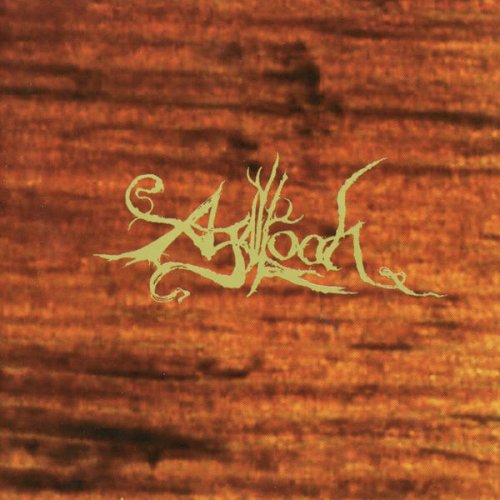
    Agalloch Pale Folklore Cover
    Agalloch Pale Folklore Cover

    Agalloch Pale Folklore Review

    Pale Folklore is the debut album of American heavy metal band Agalloch. The band has lofty ambitions that are shown through their blending of different metal genres, namely black metal and progressive metal, with neofolk and some other non-genre specific sounds. On top of that, these genres are woven into lengthy songs with much of it being composed of instrumental passages.

    The album is introduced with wind sound effects and a slow guitar melody which goes on for 2 minutes before the distortion is played up and the drums kick in on the first part of the She Painted Fire Across the Skyline trilogy. This quickly demonstrates some of the unevenness that permeates Pale Folklore because Agalloch intentionally use lo-fi production techniques on the black metal elements but not in other places (in the same song no less). The end result is clunky and muffled percussion that lifelessly patters around in the background while vocalist John Haughm rasp-speaks many of the lyrics, which gives way to the soft, cleanly produced moments with an opera singer wailing before jumping back to the lo-fi black metal sound.

    She Painted Fire Across the Skyline I and II are bridged together with more wind sound effects before turning into a straight-forward black metal song that lies on the softer end of the spectrum and contains another jarring transition near the end that upsets the flow needlessly. The final part of the trilogy has some quirks about it although it manages to remain the most focused part and it is a better example of their progressive metal song-writing. The dramatic clean singing moment is out of place but the performance by John Haughm deserves praising for his compelling delivery. Tubular bells make a brief appearance later on and they offer an interesting and memorable dynamic that is unfortunately short lived.

    Agalloch over-indulge on the wind sound effects as they make further appearances on The Melancholy Spirit and Hallways of Enchanted Ebony, which eventually descends into the ill-advised inclusion of animal noises and barking. These needless indulgences take on the form of sound effects more often than not but one exception is the out of place hammering of a piano right at the end of Dead Winter Days, which is an otherwise stand out song.

    The soft side of Agalloch is fully embraced on The Misshapen Steed, a melancholic ballad-turned-dramatic incidental music piece that has a cinematic quality to it. This song strays outside of heavy metal territory entirely and instead focuses on tasteful piano and keyboard playing.

    As Embers Dress the Sky is another well-rounded black metal excursion and is the second song to feature the unnamed opera singer. This time the raspy vocals and her own trade off each other in a well-executed beauty and the beast style before transitioning flawlessly into an acoustic passage. The heavy metal guitar work then jumps back in awkwardly and if it hasn’t become clear that Agalloch haven’t quite got the transitional elements of their song-writing down yet then this will convince you.

    Agalloch are a forward-thinking band that has demonstrated a great deal of potential on their debut album and while their song-writing can be unfocused and unpolished at times, it is clear that they have plenty ambition that if refined will yield some exciting results for the heavy metal community.

    Performers:

    Don Anderson: Guitar
    John Haughm: Vocals, guitar, drums
    Jason William Walton: Bass
    Shane Breyer: Keyboards
    Unnamed: Operatic vocals (tracks 1 and 7)

    External Links:

    Agalloch Homepage
    Agalloch on Wikipedia
    Pale Folklore on Wikipedia

  • Disturbed Ten Thousand Fists Review

    General Information:

    Artist: Disturbed
    Album: Ten Thousand Fists
    Genre(s): Heavy Metal, Rock
    Subgenres(s): Hard Rock, Traditional Heavy Metal
    Released: 2005
    Length: 56 minutes
    Language(s): English
    Label(s): Reprise

    Track List:

    01. Ten Thousand Fists
    02. Just Stop
    03. Guarded
    04. Deify
    05. Stricken
    06. I’m Alive
    07. Sons of Plunder
    08. Overburdened
    09. Decadence
    10. Forgiven
    11. Land of Confusion (Genesis Cover)
    12. Sacred Lie
    13. Pain Redefined
    14. Avarice

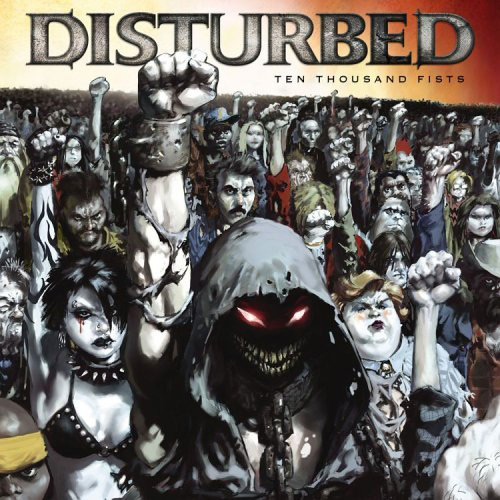
    Disturbed Ten Thousand Fists Cover
    Disturbed Ten Thousand Fists Cover

    Disturbed Ten Thousand Fists Review

    Ten Thousand Fists is the third studio album by Disturbed. With the popularity of nu metal rapidly declining most bands in the subgenre chose to take another path and Disturbed are no exception to this as they embrace a sound that is somewhere between hard rock and traditional heavy metal for Ten Thousand Fists.

    With the musicianship of drummer Mike Wengren and guitarist Dan Donegan being heavily contained on Disturbed’s nu metal albums for the most part, Ten Thousand Fists makes its evident that they want to do more or at the least get back to the level that they were at when playing groove metal under the name Brawl.

    The songs are faster, sound more powerful and for the first time there are guitar solos to be heard on several songs including Stricken, Overburdened, Forgiven, Avarice and Land of Confusion, an unexpected cover of a Genesis song that translates exceptionally well into their new sound. There aren’t any weak songs to be found per se but after a few listens it can start to sound a bit played out due to the lack of variety, which isn’t helped by a 56 minute running time and it seems hard trying to justify the length of it for this reason.

    David Draiman’s vocals are as strong as ever and on I’m Alive he cleverly enunciates the words rage and anger when he sings “change again, cannot be considered/I rage again, dispelling my anger” for effect without having to resort to shouting. However his trademark barking noise from The Sickness make an appearance on the title track, Sons of Plunder, Forgiven and Avarice but is absent from most songs.

    His lyrical themes have now progressed onto topics such as war and personal struggles with Decadence addressing self harm and I’m Alive dealing with the pressure of others trying to influence the bands artistic direction to create something that wouldn’t be Disturbed and their subsequent rejection of this.

    Overburdened looks at people killing others in the name of religion or political ideology only to finding themselves queueing up to enter Hell, which is overburdened by the sheer number of people caught up in harmful ideology all while thinking that they’re fighting for a righteous cause. At the start of the song one of these people reflects on this by saying “Fate is so unkind/Now I should have known/Blind leading the blind/Reaping what I’ve sown/If it all amounts to nothing/Why, then, am I standing in this line?” after believing that they were right in doing what they did. David Draiman puts a different lens on this perspective to infer that “holy blessed homicide” is wrong in any context and that people that believe otherwise have been misled, possibly for the gain of others.

    The improved musicianship and deeper lyrical content that has come with the change in sound will surely have won over some new fans and there are many infectious hooks that will get stuck in your head for days after hearing them but on repeated listens some songs will start to wear thin due to the rank and file nature of the album.

    Performers:

    David Draiman: Vocals
    Dan Donegan: Guitar, electronics
    Mike Wengren: Drums, percussion
    John Moyer: Bass guitar

    External Links:

    Disturbed Homepage
    Disturbed on Wikipedia
    Ten Thousand Fists on Wikipedia

  • Shylmagoghnar Emergence Review

    General Information:

    Artist: Shylmagoghnar
    Album: Emergence
    Genre(s): Heavy Metal
    Subgenres(s): Black Metal, Progressive Metal
    Released: 2014
    Length: 52 minutes
    Language(s): English
    Label(s): N/A

    Track List:

    01. I Am the Abyss
    02. Emergence
    03. Edin in Ashes
    04. This World Shall Fall
    05. Squandered Paradise
    06. Eternal Forest
    07. The Cosmic Tide
    08. A New Dawn
    09. The Sun No Longer

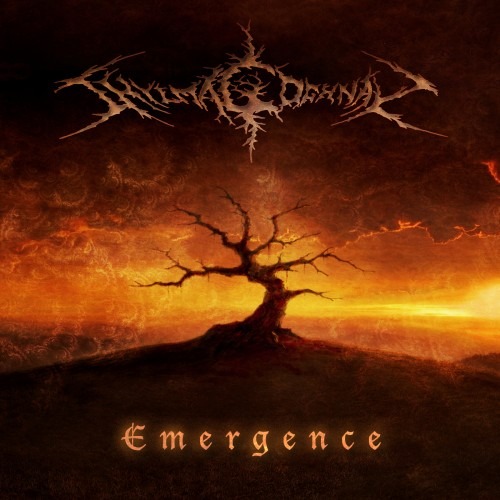
    Shylmagoghnar Emergence Cover
    Shylmagoghnar Emergence Cover

    Shylmagoghnar Emergence Review

    Emergence is the self-released debut album of Dutch metallers Shylmagoghnar. While the core of the band’s sound is black metal they take cues from progressive metal to create longer, multi-faceted passages without ever needing to resort to self-indulgent musicianship. There are also influences from melodic death metal, most notably on the lead guitar, and the band makes good use of this along with tasteful keyboard arrangements to contrast with the black metal aesthetic which manages to be polished and accessible without attempting to pander to anyone.

    There are 4 instrumental songs to be heard on Emergence. Eternal Forest and The Cosmic Tide are both performed in the aforementioned black metal/progressive metal style whereas I Am the Abyss has noticeable influence from post rock/metal and is the longest song on the album at 9 minutes. This is a bold introductory song that grabs your attention and establishes Shylmagoghnar’s musical vision while expressing a great deal of personality and depth so effortlessly.

    The Sun No Longer is the final instrumental song and it also brings Emergence to a close all while being the biggest curveball on the album. While Nimblkorg is the primary song-writer, this one was composed by vocalist Skirge and is played entirely on keyboards with a melancholic feeling that isn’t present on any of the other songs. The feeling found here is thematically linked to his lyrics which deal with misanthropy and the end of humanity by citing the self-inflicted death and destruction done to one another throughout history. He then proceeds to mockingly cry “Hail the glorious humankind – Hail! Hail the splendour of our kind!” on Squandered Paradise to express his contempt.

    While these themes are prominent throughout Emergence the tone changes on A New Dawn when Skirge reflects on his negative assessment of humanity and conclude that “what’s done is done; the dice were cast/and the only path before us lies/striding towards the riches of a new dawn”. Lyrically this leaves Emergence on a hopeful note and looking at the previous songs it appears as though they chronical the duo struggling with the seemingly endless troubles of the world (we once gave in/to endless waves of melancholy/the weight of the world/and the torment of troubled souls) before having an epiphany that allowed them to push on.

    This World Shall Fall is another curveball found earlier in the album that is best described as “black metal without the guitars”. The tempo slows down and the focus is put on a drum and keyboard combination that is used to create a unique atmosphere that sets it apart from the other songs.

    Emergence is an ambitious debut album that blends different subgenres of heavy metal together while showcasing some adventurous song-writing abilities that never fall short of the mark. Shylmagoghnar aren’t afraid to throw themselves in at the deep end and if they can continue down this path they will undoubtedly carve out a well-deserved niche within the heavy metal community.

    Performers:

    Nimblkorg: Music, guitars, bass, drums, synths, vocals/lyrics on Emergence, mixing and mastering
    Skirge: Vocals, lyrics, music and synths on The Sun No Longer, additional compositions

    External Links:

    Shylmagoghnar Homepage
    Shylmagoghnar on Bandcamp
    Shylmagoghnar on Metal Archives

    Thursday 01/10/15: An excerpt of this review has been published on Shylmagoghnar’s Bandcamp page at the request of the artist.

  • The Autumn Offering Embrace the Gutter Review

    General Information:

    Artist: The Autumn Offering
    Album: Embrace the Gutter
    Genre(s): Heavy Metal, Metalcore
    Subgenres(s): Melodic Death Metal
    Released: 2006
    Length: 35 minutes
    Language(s): English
    Label(s): Victory Records

    Track List:

    01. Prologue
    02. Decay
    03. The Yearning
    04. Embrace the Gutter
    05. Ghost
    06. Misery
    07. This Future Disease
    08. One Last Thrill
    09. No End in Sight
    10. Walk the Line
    11. The Final Cut

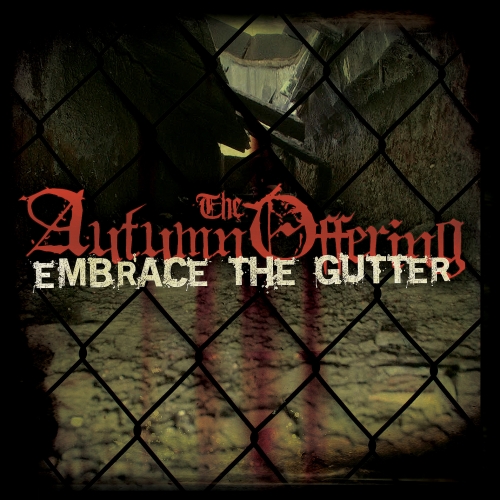
    The Autumn Offering Embrace the Gutter Cover
    The Autumn Offering Embrace the Gutter Cover

    The Autumn Offering Embrace the Gutter Review

    Embrace the Gutter is the second album by The Autumn Offering. It features a fluid blend of metalcore and melodic death metal, a style that had gained a lot of traction by its release in 2006, but Embrace the Gutter is far from a run of the mill bandwagoning effort. There are plenty of guitar leads and tasteful solos without many of the typical hardcore breakdowns or drawn out guitar chugging sessions that can be found on albums by many of their contemporaries.

    Vocalist Dennis Miller has improved a lot since the bands 2004 debut Revelations of the Unsung and while he still utilises a throaty shout, it is more accessible and easier to understand than before. His lyrics revolve around personal struggles so the mentions of decay and disease are metaphors for these things instead of being over the top and literal like in other bands.

    Aside from the excellent blend of metal guitar soloing and hardcore bridges, The Autumn Offering has some tasteful clean guitar interludes on No End in Sign and One Last Thrill that would have been a brilliant third side to the band’s sound if it was utilised fully. This third side is only brought to life properly on the instrumental closer The Final Cut and features classical piano playing over the drums and guitars. This then transforms into a cinematic interlude complete with wind effects that take up about half the song before closing with one final dramatic guitar chord and drum beat.

    Embrace the Gutter is an overlooked album but it is a worthy addition to the collection of melodic death metal or metalcore fans. Its short length works to its advantage and prevents it from ever becoming stale or tired and instead offers a great deal of replay value.

    Performers:

    Sean Robbins: Bass
    Nick Gelyon: Drums
    Matt Johnson: Guitar
    Dennis Miller: Vocals
    Tommy Church: Guitars

    External Links:

    The Autumn Offering on Wikipedia | Embrace the Gutter on Wikipedia
    The Autumn Offering on Metal Archives | Embrace the Gutter on Metal Archives

  • Behold the Arctopus Horrorcension Review

    General Information:

    Artist: Behold the Arctopus
    Album: Horrorcension
    Genre(s): Heavy Metal
    Subgenres(s): Progressive Metal
    Released: 2012
    Length: 28 minutes
    Language(s): N/A
    Label(s): Black Market Activities

    Track List:

    01. Disintegore
    02. Monolithic Destractions
    03. Horrorsentience
    04. Deluge of Sores
    05. Putrefucktion
    06. Annihilvore

    Behold the Arctopus Horrorscension Cover
    Behold the Arctopus Horrorscension Cover

    Behold the Arctopus Horrorcension Review

    Horrorcension is the second round of auditory carnage by progressive metal outfit Behold the Arctopus. The songs found on their debut, Skullgrid, are mere pop songs in comparison to the 28 minutes endurance test of Horrorcension. Normally an album should be reviewed on its own merits without more than a quiet nod to another album or band but to express how far-out Behold the Arctopus have swam, drawing some comparisons with Skullgrid is hard to avoid.

    While Skullgrid is certainly a difficult album, it did have some strong moments thrown in the mix along with a semi-sense of structure – a motif or reference point that the band went back to before taking the music in another direction. With Horrorcension there isn’t any of this and the music if far more outlandish than whatever you might think the ridiculous song titles allure to.

    The songs twist and turn in every way imaginable and make it nearly impossible to follow anything, leaving you with nothing more than a senseless cacophony of guitar screeches and percussive slaps that won’t mean anything to you. There are very few breaks from the status quo and the most noticeable are the short, merciful interludes found on Horrorsentience and Putrefucktion. The most memorable moment can be found on Annihilvore when Behold the Arctopus exchange their progressive metal frenzy for a relatively straightforward black metal sound mid song.

    While Horrorcension lacks emotion due to its intense focus on the technical skills and performance of the band, it is still guaranteed to give the listener an emotional reaction, albeit it will most likely be one of disgust.

    Performers:

    Mike Lerner: Guitars
    Colin Marston: Warr Guitars
    Weasel Walter: Drums

    External Links:

    Behold the Arctopus Homepage
    Behold the Arctopus on Wikipedia | Horrorcension on Wikipedia

  • Judas Priest Nostradamus Review

    General Information:

    Artist: Judas Priest
    Album: Nostradamus
    Genre(s): Heavy Metal
    Subgenres(s): Heavy Metal
    Released: 2008
    Length: 56 minutes (CD 1 tracks 1-13), 47 minutes (CD 2 tracks 14-23)
    Language(s): English
    Label(s): Sony Music

    Track List:

    01. Dawn of Creation
    02. Prophecy
    03. Awakening
    04. Revelations
    05. The Four Horsemen
    06. War
    07. Sands of Time
    08. Pestilence and Plague
    09. Death
    10. Peace
    11. Conquest
    12. Lost Love
    13. Persecution
    14. Solitude
    15. Exiles
    16. Alone
    17. Shadows in the Flame
    18. Visions
    19. Hope
    20. New Beginnings
    21. Calm Before the Storm
    22. Nostradamus
    23. Future of Mankind

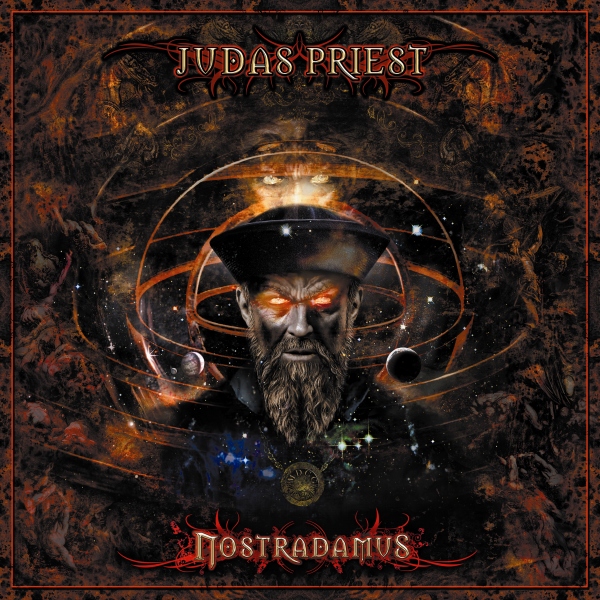
    Judas Priest Nostradamus Cover
    Judas Priest Nostradamus Cover

    Judas Priest Nostradamus Review

    Nostradamus is the 16th studio album by heavy metal icons Judas Priest. After testing the waters on their 2005 album Angel of Retribution with a 13 minute doom metal song, Loch Ness, it seems as though Judas Priest have gotten a real taste for pushing their artistic boundaries by ambitiously crafting a concept double album revolving around the life of the French seer Nostradamus.

    The most immediate thing you’ll notice, aside from the colossal length, is the inclusions of keyboards as a lead instrument. Sometimes they outshine or even bury other instruments (most notably Ian Hill’s bass) and are the foundation of no less than 9 interludes which are often accompanied by acoustic or soft electric guitar playing. While they work well to emphasise some of Rob Halford’s singing talents, they make up a combined running time of 17 minutes and can feel overdone by the end the album. It is worth mentioning that the interlude music is eventually fleshed out into a full song, the ballad Lost Love, which is presumably about the loss of his first wife and 2 children to the plague but the lyrics are vague enough to be interpreted in different ways.

    Death is another successful foray into doom metal and it’s a shame that the band only flirt with the subgenre since they prove to be rather skilled in this realm. War turns out to be one of the more experimental songs as it breaks away from heavy metal altogether and sees Judas Priest trying their hand at martial industrial music with surprisingly good results. In another twist, Pestilence and Plague is sung in both English and Italian but unless you understand Italian, it will be hard to say how accurate Rob Halford’s performance is.

    Between the interludes and experimentation we are left with much of their traditional heavy metal sound that is often played at the same mid-paced tempo which doesn’t do much to help the flow of the album. The title track, found near the end of the second CD, starts out like any of the other interludes before breaking into a speed metal frenzy with Rob Halford’s trademark wail to make you think that it has been ripped right out of the Painkiller album. Nostradamus would have benefitted greatly from more songs like this one, if for nothing other than the tempo to shake things up a little.

    Nostradamus would be more digestible if the material was condensed into a single album no more than an hour long but it is always good to hear a band expanding their horizons instead of running around the same hamster wheel endlessly even if the results aren’t perfect.

    Performers:

    Rob Halford: Vocals
    Glenn Tipton: Guitars and Synthesizes Guitars
    K.K. Downing: Guitars and Synthesizes Guitars
    Ian Hill: Bass Guitars
    Scott Travis: Drums

    External Links:

    Judas Priest Homepage
    Judas Priest on Wikipedia | Nostradamus on Wikipedia

  • Reverend Bizarre Return to the Rectory Review

    Reverend Bizarre Return to the Rectory Review

    Artist: Reverend Bizarre
    Album: Return to the Rectory
    Genre(s): Heavy Metal
    Subgenres(s): Doom Metal
    Released: 2004
    Length: 66 minutes
    Language(s): English
    Label(s): Spikefarm Records

    Track List:

    01. The March of the War Elephants
    02. The Festival
    03. The Goddess of Doom
    04. Aleister
    05. For You Who Walk in the Land of the Shadows
    06. Dark Sorceress (Autumn Siege) (Barathrum Cover)
    07. The Wrath of the War Elephants

    Reverend Bizarre Return to the Rectory Cover

    Return to the Rectory is the second EP by Reverend Bizarre. The title is an obvious throw back to their first album, In the Rectory of the Bizarre Reverend. At 66 minutes long it is hard to consider In the Rectory an EP by any stretch of the imagination. In either case the music follows the same format as In the Rectory of the Bizarre Reverend; atypical song structure, sparse guitar plods, dramatic baritone singing and a guitar tone so thick that you can almost see it.

    This time around the longest song is 12 minutes and Reverend Bizarre have managed to throw in a couple of new tricks to try and keep their sound fresh. This includes a lengthy acoustic guitar intro to The Festival and more mid-paced parts which sometimes become genuinely fast. This is definitely a welcome addition to their sound.

    The subdued keyboard sounds heard on In the Rectory of the Bizarre Reverend have been given a second chance on Return to the Rectory. While used sparingly, they do get stand out moments on For You Who Walk in the Land of the Shadows and The Wrath of the War Elephants. They work well to build up their foreboding atmosphere to make the songs stand apart that bit more.

    Opening song The March of the War Elephants features the usual lengthy guitar drones and some excellent drum work that makes the song promising enough in its own right. The song suddenly bursts into a full on gallop and then rapidly fades out to leave you miffed. Reverend Bizarre might have spent time throwing in more variety but it doesn’t mean much when you forget to finish your opening song.

    On the other hand there is strong continuity to be found elsewhere. The spares lyrics on The March of the War Elephants seem to follow into The Wrath of the War Elephants which then reprises elements of the music found in The Goddess of Doom.

    The dramatic baritone voice still presides over most of the song but with more enunciation while their cover of Dark Sorceress (Autumn Siege) by Barathrum makes a U-turn by extensively using the vomiting voices found in black metal. The Goddess of Doom name drops several influential and current doom metal bands with Reverend Bizarre appointing actress Christina Ricci the title of The Goddess of Doom. This at least shows that there is a sense of humour mixed in with Reverend Bizarre’s prolonged agony.

    When a band has all the ingredients for making great music it is hard to hear them miss the target if for nothing other than forgetting when to stop playing a song. Return to the Rectory shows a small expansion on their sound but it will most likely appeal to existing Reverend Bizarre fans before anyone else.

  • Reverend Bizarre In the Rectory of the Bizarre Reverend Review

    Reverend Bizarre In the Rectory of the Bizarre Reverend Review

    Artist: Reverend Bizarre
    Album: In the Rectory of the Bizarre Reverend
    Genre(s): Heavy Metal
    Subgenres(s): Doom Metal
    Released: 2002
    Length: 74 minutes
    Language(s): English
    Label(s): Sinister Figure, Low Frequency Records (2003 rerelease), Spikefarm Records (2004 rerelease)

    Track List:

    01. Burn in Hell!
    02. In the Rectory
    03. The Hour of Death
    04. Sodoma Sunrise
    05. Doomsower
    06. Cirith Ungol

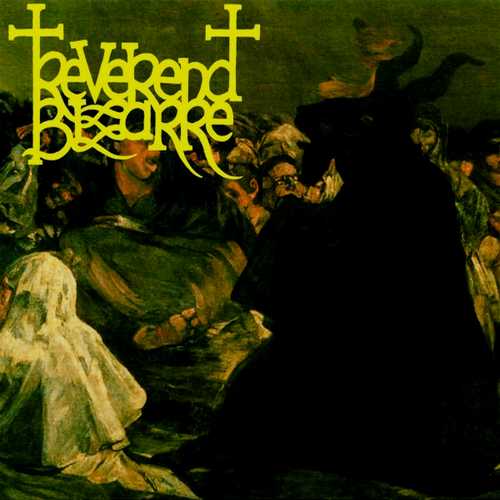
    Reverend Bizarre In the Rectory of the Bizarre Reverend Cover

    In the Rectory of the Bizarre Reverend is the first full length album by Finnish doomsters Reverend Bizarre. They draw heavily from doom metal pioneers Candlemass and most of the songs you’ll hear are upwards of 10 minutes with the exceptions being Burn in Hell and Doomsower, the latter of which is followed up by Cirith Ungol, the 21 minute monolithic conclusion to In the Rectory of the Bizarre Reverend.

    Reverend Bizarre have all of the hallmarks of the traditional doom metal sound; long songs with an atypical structure, sparse guitar plods, dramatic baritone singing, religious iconography and a guitar tone so thick that you can almost see it. Opener Burn in Hell has enough material to carry itself while establishing the consistent sound of Reverend Bizarre’s debut. Singer and bassist Sami Albert Hynninen (performing as Magister Albert) delivers one of the best lines of the album on this song, the spiteful “you bastards” that finishes the dirge.

    Unfortunately by the time you get to The Hour of Death, you’ll find the songs start to lack variety and substance as Reverend Bizarre force themselves to drag out the slow, distorted passages beyond what most people would consider reasonable and it feels like they are doing it for the sake of it. Cirith Ungol embodies all of these negative traits despite having some tasteful throwbacks to Black Sabbath’s self-titled song and Iron Man.

    Guitarist Kimi Karki (as Peter Vicar) and drummer Jari Pohjonen (as Earl of Void) kick the songs into gear between the guitar plods (as heard best on In the Rectory and Sodoma Sunrise) with some fantastic up-tempo guitar grooves, rapid drum fills and even an extended psychedelic guitar solo that will catch you off guard. The entirety of Doomsower is a curve ball in its own right. It is a brilliant hybrid of doom metal and stoner rock that is condensed into relatively short 5 minute blast. It shows exactly what the trio of Reverend Bizarre are capable of doing when they get straight to business without any of the filler material pointlessly jammed in there.

    When Reverend Bizarre can be bothered to play with feeling they have some serious content to offer and if they followed this routine for the other songs it would have improve the experience tenfold. The dragged out passages don’t have the desired effect of building a foreboding atmosphere and will instead leave you cold after listening for long enough. While Reverend Bizarre have a genuine passion for creating doom metal, they prove to be too ambitious for themselves on In the Rectory of the Bizarre Reverend so sparing a few glowing moments, this is an album that should be reserved for doom metal fanatics.

  • Lost Horizon A Flame to the Ground Beneath Review

    Lost Horizon A Flame to the Ground Beneath Review

    Artist: Lost Horizon
    Album: A Flame to the Ground Beneath
    Genre(s): Heavy Metal
    Subgenres(s): Power Metal, Progressive Metal
    Released: 2003
    Length: 53 minutes
    Language(s): English
    Label(s): Music for Nations

    Track List:

    01. Transdimensional Revelation
    02. Pure
    03. Lost in the Depths of Me
    04. Again Will the Fire Burn
    05. The Song of Earth
    06. Cry of a Restless Soul
    07. Think Not Forever
    08. Highlander (The One)
    09. Deliverance

    Lost Horizon A Flame to the Ground Beneath Cover

    A Flame to the Ground Beneath is the second and final album by Swedish metal outfit Lost Horizon. It is a direct continuation of the distinctively uplifting power metal/progressive metal sound that they developed on their first album, Awaken the World.

    The songs are longer than before and in keeping with the tradition of progressive music, they contain many verses that can flow easily from one to the next without necessarily having the need for a chorus. The saving grace Lost Horizon balances this out with is never getting wrapped up in taking their songs in a thousand and one directions while maintaining their triumphant sound and positive message about self-empowerment and free will over fate in their lyrics.

    Sadly, Lost Horizon still insists on including their ambient interludes which fail to leave a lasting impression. The introduction song, Transdimensional Revelation, is slow on the uptake and doesn’t give any indication as to what A Flame to the Ground Beneath is all about. However it does serve as an excellent buffer to the first metal song, Pure, and gives it a bigger impact when it kicks in seemingly out of nowhere (although it should be noted that like the other songs, it can speak for itself). The odd coupling of ambient interludes and heavy metal is by no means a bad concept but the execution is definitely in need of refinement.

    Both the bass and keyboard playing can be heard clearly enough but the bass still finds itself competing with the guitars and drums like it does in many other metal bands. The keyboard tends to find itself in a supporting role but has a few moments to bolster some songs such as Lost in the Depths of Me and Again the Fire Will Burn. It is also the only instrument on the mid-album interlude The Song of Earth, which pleasantly enough turns out to be a full song rather than misguided soundscaping.

    Much like Awaken the World, A Flame to the Ground Beneath is sung entirely in English and not being the bands native language, there are some mishaps with the lyrics that don’t flow exactly as they should do. On most occasions Daniel Heiman’s vocal range alone will distract you from this and more than makes up for it.

    One of the major highlights of A Flame to the Ground Beneath is Highlander (The One), a 12 minute epic that features some of Daniel Heiman’s most extravagant moments and with all the wailing he does, it would make you think that the entire song was written for him to push his voice to the limit. The last minute of the song is by far one of the best metal moments committed to a recording. Unfortunately A Flame to the Ground Beneath ends with the interlude Deliverance. This deals a significant blow to the flow of the album as it should have ended on Highlander (The One) to give you the massive triumphant feeling that Lost Horizon is all about.

    The songs (that go from 6 to 12 minutes) might sound daunting on first impressions but Lost Horizon have the musical chops to back up their ambitious goals and present another significant entry into the power metal/progressive metal catalogue with A Flame to the Ground Beneath.

  • Slayer Reign in Blood Review

    Slayer Reign in Blood Review

    Artist: Slayer
    Album: Reign in Blood
    Genre(s): Heavy Metal
    Subgenres(s): Thrash Metal
    Released: 1986
    Length: 29 minutes (35 with bonus tracks)
    Language(s): English
    Label(s): Def Jam Recordings

    Track List:

    01. Angel of Death
    02. Piece by Piece
    03. Necrophobic
    04. Altar of Sacrifice
    05. Jesus Saves
    06. Criminally Insane
    07. Reborn
    08. Epidemic
    09. Portmortem
    10. Raining Blood
    11. Aggressive Perfector (Bonus Track)
    12. Criminally Insane (Remix) (Bonus Track)

    Slayer Reign in Blood Cover

    Reign in Blood is the third album by thrash metal titans Slayer. Released in 1986, the recording is exceptionally clear for a time when figuring out how to record metal albums was coming out of its infancy. For comparison in sound quality you only need to look back to their 1985 album Hell Awaits to hear the difference. Acclaimed producer Rick Rubin is often cited for this and it contributed much to the success of Reign in Blood and its iconic status that it has attained over the subsequent decades.

    Slayer obviously took their punk rock influences to heart and upped the ante for thrash metal by pushing the subgenre to its limits and did so with categorical success. The original release of Reign in Blood is incredibly short. It is a relentless 29 minutes that showcases an odd disparity between Slayer’s savage song writing abilities and the sloppy guitar solos that get jammed in thoughtlessly and appear to be more of an afterthought than an integral part of any of their songs. Thankfully Dave Lombardo will distract you from this with his masterful drum work that parades throughout Reign in Blood and he never misses a chance to impress.

    Tom Araya’s vocal performance goes all the way from barely comprehendible splutters, snarls and high pitched screams to relatively even singing with a gruff slant to it. The lyrics were written by the guitarists Jeff Hanneman and Kerry King and deal with horror, gore and violence while touching on Satanism and death. While shocking for the time, these topics have since become standard fare for many thrash and death metal bands past and present.

    Reign in Blood is a single-minded barrage of aggro in short, snappy bursts that doesn’t leave any room to flex their artistic muscles in other sonic realms. Slayer used their unquenchable thirst to create volatile music and spurred them on to record an album that ultimately became not only a flag bearer for thrash metal but a forerunner of death metal as well.

    Link

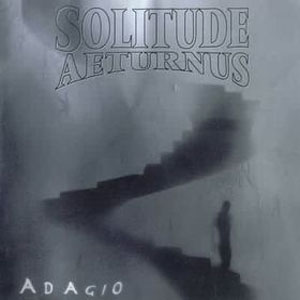
  • Solitude Aeturnus Adagio Review

    Solitude Aeturnus Adagio Review

    Artist: Solitude Aeturnus
    Album: Adagio
    Genre(s): Heavy Metal
    Subgenres(s): Doom Metal
    Released: 1998
    Length: 63 minutes
    Language(s): English
    Label(s): Massacre Records

    Track List:

    01. My Endtime
    02. Days of Prayer
    03. Believe
    04. Never
    05. Idis
    06. Personal God
    07. Mental Pictures
    08. Insanity’s Circles
    09. The Fall
    10. Lament
    11. Empty Faith
    12. Spiral Descent
    13. Heaven and Hell (Black Sabbath Cover)

    Solitude Aeturnus Adagio Cover

    Adagio is the 5th album by American doom metal outfit Solitude Aeturnus. It stands firmly on the lighter side of the doom metal spectrum with tempos going from moderately paced (for a metal band) to the slower paces more commonly identified with the doom metal sound.

    Adagio starts out with the moody dark ambient introduction of My Endtime before Days of Prayer comes into get the album moving. It sounds promising enough but the 2 follow up songs, Believe and Never, are cut from the same cloth and fail to move Adagio forward. This is the major pitfall that the band faces and it becomes evident that Solitude Aeturnus don’t know which direction to take their songs despite having some good verses littered throughout the album.

    Solitude Aeturnus kick it up a notch for Idis and Empty Faith with more tempo shifts, a mix of clean and distorted guitar tones and singer Rob Lowe (whose voice suits this brand of doom and gloom particularly well) alternates between almost whispered lines and his powerful singing voice. The Fall gives some relief from the rehashed song structure by being a short and straightforward acoustic song before they quickly revert back to doom metal with the appropriately titled Lament.

    A cover of Heaven and Hell by Black Sabbath is used as the closer for Adagio. This forces them to adjust their approach and sees them steering away from familiar territory to bring much needed change to the album that lets it finish on a high note.

  • Candlemass Candlemass Review

    Candlemass Candlemass Review

    Artist: Candlemass
    Album: Candlemass
    Genre(s): Heavy Metal
    Subgenres(s): Heavy Metal, Doom Metal
    Released: 2005
    Length: 55 minutes (58 minutes with bonus material)
    Language(s): English
    Label(s): Nuclear Blast

    Track List:

    01. Black Dwarf
    02. Seven Silver Keys
    03. Assassin of the Light
    04. Copernicus
    05. The Man Who Fell from the Sky
    06. Witches
    07. Born in a Tank
    08. Spellbreaker
    09. The Day and the Night
    10. Mars and Volcanoes (Bonus Track)

    Candlemass Candlemass Cover

    Swedish doom metallers Candlemass return to form with their self-titled opus after 6 years and a brief hiatus. Candlemass also marks the return of singer Messiah Marcolin, who hasn’t recorded with the band since 1989s Tales of Creation and his voice remains as powerful as it was 16 years ago.

    The lyrics tend to deal with fantasy and mythological subjects without the flamboyance that normally accompany heavy metal bands. Many of the verses are vivid in their description of scenes that you could half expect to be part of a book rather than a song. At times the lyrics can be quite gothic in nature and this helps to keep the band in line with the doom metal ethos that they helped create.

    Candlemass does however breathe new life into their sound with founding member, bassist and sole songwriter Leif Edling expanding on the plodding doom metal framework that they pioneered in the 1980s. He achieves this by incorporating influences from traditional heavy metal that can be heard prominently on Black Dwarf, Witches, Born in a Tank and Mars and Volcanoes.

    The song lengths are just as varied and go from a little over 3 minutes (The Man Who Fell from The Sky) up to 9 minutes (The Day and the Night). This gives the band plenty of room to play through extended passages without adhering to a typical verse/chorus format but at the same time the songs remain highly structured and never veer off without purpose.

    Black Dwarf is uncharacteristic of the bands typical sound as it is incredibly up-tempo with a repetitive and infectious guitar hook that will immediately draw you into the album. The Man Who Fell from the Sky is one of the few instrumental songs Candlemass have done in their long career and while it follows a similar formula to Black Dwarf, it doesn’t have the same payoff when you expect Messiah Marcolin to burst out wailing but instead it simply continues to play on until it quickly fades to silence.

    The rest of Candlemass is rounded off with songs that lean heavily in favour of their doom metal niche. Ominous songs like Seven Silver Keys, Assassin of the Light and Spellbreaker show off their modernised doom metal sound exceptionally well. Copernicus almost comes to a complete stand still after a thundering introduction and along with Spellbreaker, it is one of the few songs to feature guitar solos in their lengthy compositions.

    It is not an overstatement to say that the self-titled effort from the Swedish doom metal pioneers is a triumphant return to form that will please old and new fans alike.