Tag: Review

  • Front Line Assembly Echogenetic Review

    General Information:

    Artist: Front Line Assembly
    Album: Echogenetic
    Genre(s): Electronic, Electro-Industrial
    Subgenres(s): Dubstep
    Released: 2013
    Length: 58 minutes
    Language(s): English
    Label(s): Dependent Records, Metropolis Records

    Track List:

    01. Resonance
    02. Levelled
    03. Killing Grounds
    04. Blood
    05. Deadened
    06. Ghosts
    07. Echogenetic
    08. Exhale
    09. Exo
    10. Prototype
    11. Heartquake

    Front Line Assembly Echogenetic Cover
    Front Line Assembly Echogenetic Cover

    Front Line Assembly Echogenetic Review

    With Echogenetic, Front Line Assembly has fully embraced their dubstep influences that first came about on the Airmech soundtrack from the previous year and they’ve made it central to their sound this time around. It’s a natural progression to what they were already experimenting with so this development shouldn’t come across as that much of a shock to most fans.

    The electric guitars featured in many of their other albums are absent entirely and while Front Line Assembly have retained their grotty industrial aesthetic that conjures up scenes from a decaying dystopian city, the direction that the music has taken is accessible without having to latch onto the “brostep” style of artists like Skrillex or Excision so hardcore fans can rest assured that the band are still very much themselves.

    A new dynamic within the group has clearly influenced their direction. Along with Bill Leeb and long-time collaborators Jeremy Inkel and Jared Slingerland, they reunited with Craig Johnsen and Sasha Keevill who both contributed to the Airmech soundtrack. For Echogenetic they worked in 2 separate groups consisting of Jeremy Inkel and Sasha Keevill in the first and then Jared Slingerland and Craig Johnsen in the second with Bill Leeb jumping between them. Every few weeks all 5 contributors got together to go over the material to critique it and add new elements to the songs.

    Killing Grounds exemplifies what Front Line Assembly is capable of doing within dubstep as this song in particular has plenty of momentum and memorable moments. Some other songs lack the immediate appeal that you easily recognise here so they take a bit more time to grow on you. On the other end of the spectrum is Prototype, an instrumental that could have been accurately retitled Archetype. It’s packed full of interesting twists and turns while avoiding any and all accusations of being comfortable background noise because it is something that commands your attention.

    Echogenetic is a focused effort that should have been shook up with more varied tempos or even by bringing back the guitars for a few songs to avoid this pleasant plateau that the band seems to have found themselves on although this unlikely fusion of genres also makes for an interesting album beyond any novelty you could associate with it.

    Performers:

    Bill Leeb: Vocals, Electronic instruments
    Jeremy Inkel: Electronic instruments
    Jared Slingerland: Electronic instruments
    Craig Johnsen: Electronic instruments
    Sasha Keevill: Electronic instruments

    External Links:

    Front Line Assembly Homepage
    Front Line Assembly on Wikipedia
    Echogenetic on Wikipedia
  • New Model Army The Ghost of Cain Review

    General Information:

    Artist: New Model Army
    Album: The Ghost of Cain
    Genre(s): Rock, Folk Rock
    Subgenres(s): Post-Punk
    Released: 1986
    Length: 35 minutes
    Language(s): English
    Label(s): EMI

    Track List:

    01. The Hunt
    02. Lights Go Out
    03. 51st State
    04. All of This
    05. Poison Street
    06. Western Dream
    07. Lovesong
    08. Heroes
    09. Ballad
    10. Master Race

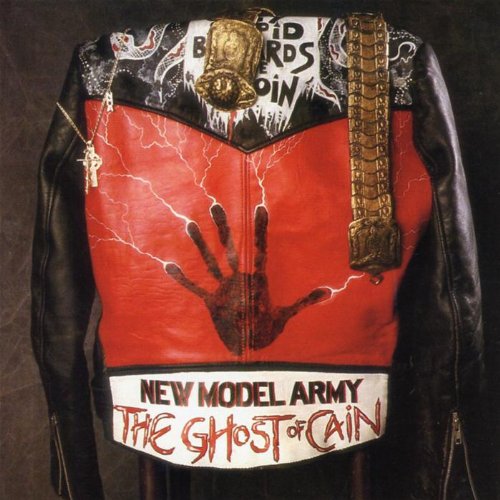
    New Model Army The Ghost of Cain Cover
    New Model Army The Ghost of Cain Cover

    New Model Army The Ghost of Cain Review

    The Ghost of Cain is the third studio album by British post-punk outfit New Model Army. Unlike a great number of other rock bands, New Model Army has a big emphasis on narrative-driven lyrics that touch on serious themes of justice, politics and social issues.

    This is outlined right from the get-go with The Hunt, which deals with street justice in a town overrun by drug dealers and thugs that are untouchable due to corruption and fear. 51st State is an irony-soaked acoustic song about American exceptionalism while Master Race reflects on countries acting like the world police because of their arrogant sense of superiority.

    Western Dream is perhaps the most serious in terms of lyrical content when Justin Sullivan pessimistically looks at “the bitterness of failure and the dirt of success” in the western world. He goes on to sing about how sometimes it looks like there are only two choices; know your place or “trample over everyone” to be successful while living with the dirt of doing so.

    Every instrument has been mixed with a high degree of clarity so that they are all represented equally on The Ghost of Cain. This means that the bass can not only be heard clearly, which is a rarity in rock music, but it proves to be an integral part of the New Model Army sound. There is also a noticeable influence from folk music on 51st State, All of This and Lovesongs while Poison Street and the dusty sounding Ballad feature the harmonica courtesy of Mark Feltham.

    All of these inclusions play perfectly into the post-punk ethos of expanding beyond punk rock’s simplistic 3 chords of fury to explore more artistic possibilities while maintaining the same energy and passion.

    Performers:

    Justin Sullivan: Vocals, Guitar
    Robert Heaton: Drums
    Jason “Moose” Harris: Bass
    Mark Feltham: Harmonica (Poison Street and Ballad)

    External Links:

    New Model Army Homepage
    New Model Army on Wikipedia
    The Ghost of Cain on Wikipedia

  • Disturbed The Sickness 10th Anniversary Edition Review

    General Information:

    Artist: Disturbed
    Album: The Sickness (10th Anniversary Edition)
    Genre(s): Rock
    Subgenres(s): Nu Metal
    Released: 2000
    Length: 54 minutes
    Language(s): English
    Label(s): Giant Records, Reprise Records

    Track List:

    01. Voices
    02. The Game
    03. Stupify
    04. Down with the Sickness
    05. Violence Fetish
    06. Fear
    07. Numb
    08. Want
    09. Conflict
    10. Shout 2000 (Tears for Fears Cover)
    11. Droppin’ Plates
    12. Meaning of Life
    13. God of the Mind (Bonus Track)
    14. A Welcome Burden (Bonus Track)

    Disturbed The Sickness Cover
    Disturbed The Sickness Cover

    Disturbed The Sickness 10th Anniversary Edition Review

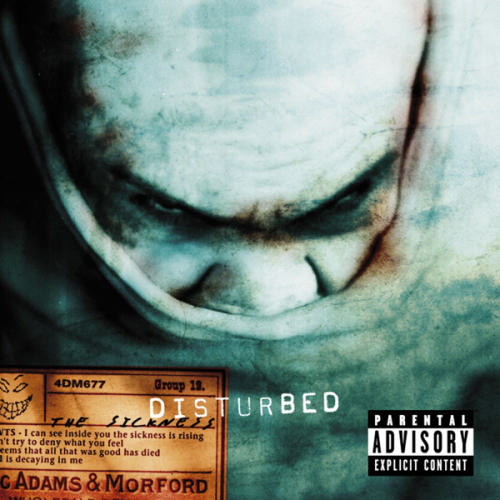
    The Sickness is the debut studio album of American rock band Disturbed. Released at the height of the nu metal trend, it skyrocketed to success on the back of catchy yet simplistic guitar riffs that descended from the groove metal sound, which the band played under the name Brawl before singer David Draiman joined the band.

    The lyrical themes of anger and violence as Brawl seeped over into the bands new incarnation as Disturbed and can clearly be seen just from the song titles. On the other hand, the musical abilities of each band member are played down severely when put next to the Brawl demos which had guitar solos, intense heavy metal drumming and much more audible bass.

    So what did Disturbed gain from this seemingly one-sided trade off? The most obvious answer is David Draiman, a skilful singer with a knack for writing melodies that will always catch your ear whereas original singer Erich Awalt had a gruff voice that is reminiscent of Pantera’s Phil Anselmo. Other than that, guitarist Dan Donegan and drummer Mike Wengren also contributed different programmed sound effects to many songs, most notably on Voices, The Game, Fear and Meaning of Life.

    David Draiman goes on to provide some unorthodox vocal performances that range from barking noises on Voices, Violence Fetish and Conflict to a Hebrew chant on Stupify and a questionable depiction of domestic abuse that takes the form of a shouted monologue in which he portrays himself being beaten by his mother before taking his revenge on her in the bridge of Down with the Sickness (“why did you have to hit me like that, mommy/don’t do it, you’re hurting me/…/you stupid, sadistic, abusive fucking whore/how would you like to see how it feels mommy/here it comes, get ready to die”).

    There are 2 minor differences between the original release and the 10th anniversary edition. The first is the inclusion of the bonus tracks (although God of the Mind was included on the 2002 international reissue) and the second is that a few of the sound effects on selected songs have been altered. The significant difference is that the volume of the recording has been increased massively and it might result in ear fatigue because of this.

    As Disturbed, the band forged their own sound within the popular nu metal scene which would deflect any comparisons to Pantera. The success that they capitalised on from their transformation led to them selling over 4 million copies of The Sickness which is probably due to the albums highly accessible sound while ignoring the tendency for nu metal bands to incorporate rapping and turntable scratches.

    Performers:

    David Draiman: Vocals
    Dan Donegan: Guitars, electronics, programming
    Steve Kmak: Bass guitar
    Mike Wengren: Drums, percussion, programming

    External Links:

    Disturbed Homepage
    Disturbed on Wikipedia | The Sickness on Wikipedia

  • Nine Inch Nails The Downward Spiral Review

    General Information:

    Artist: Nine Inch Nails
    Album: The Downward Spiral
    Genre(s): Industrial, Industrial Rock
    Subgenres(s): N/A
    Released: 1994
    Length: 105 minutes
    Language(s): English
    Label(s): Nothing Records, Interscope Records

    Track List:

    01. Mr. Self Destruct
    02. Piggy
    03. Heresy
    04. March of the Pigs
    05. Closer
    06. Ruiner
    07. The Becoming
    08. I Do Not Want This
    09. Big Man with a Gun
    10. A Warm Place
    11. Eraser
    12. Reptile
    13. The Downward Spiral
    14. Hurt

    Nine Inch Nails The Downward Spiral Cover
    Nine Inch Nails The Downward Spiral Cover

    Nine Inch Nails The Downward Spiral Review

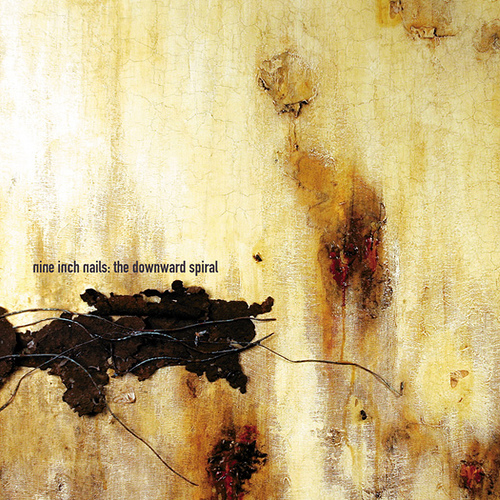
    The Downward Spiral is a volatile beacon of industrial music by Nine Inch Nails. Released 2 years after the break through Broken EP, it seems as though Trent Reznor forsook a lot of his rock influences in favour of raw industrial aggression which actually led to a more sonically diverse album.

    Songs like Ruiner, I Do Not Want This and Eraser are all characterised by thumping industrial drum patterns, layers of processed sound effects that are incredibly hard to identify and have enough distortion and noise meshed together to make you think that you’ve blown out your speakers. The guitar is still present in these songs at times but the rock influence is significantly less pronounced when compared to Heresy or March of the Pigs, both of which have an easier structure to follow because a lot of the time the songs don’t follow a particularly strong verse/chorus format.

    While challenging sounds are a given within the industrial music scene, one can’t help but question the need for or motive behind some parts of the album. Particularly the minor noise music influences heard at the end of Mr. Self Destruct, which becomes unlistenable when it devolves into a formless mess at the end, or the chaotic end to Big Man with a Gun that is so layered up and loud that the only thing that can be picked out clearly is Trent Reznor’s frenzied shouting.

    This isn’t to say that the processed sounds and distortion don’t always work because for the most part it is done well and it plays a major part in making The Downward Spiral what it is. In contrast to the dense noise, Big Man with a Gun is followed up by A Warm Place which will keep you on edge the first time you hear it because you can’t help but expect a loud burst of noise to chime in out of nowhere. This doesn’t end up happening and it makes this short ambient piece the most reserved part of The Downward Spiral.

    Despite the length of The Downward Spiral, it rarely feels as though anything gets dragged out and if anything should have been cut out the first thing that comes to mind are the inflammatory lyrics revolving around rape on Big Man with a Gun (“held against your forehead/I’ll make you suck it/maybe I’ll put a hole in your head”). Reptile and Hurt both have crass lyrics as well but aren’t comparable to Big Man with a Gun and aside from that, the rest seems to focus on inner turmoil one way or another and are delivered through shouts, whispers and singing – all of which get at least partially buried under the uncompromising music which was a surprising commercial success. The vocal highlight of The Downward Spiral has to be the cheerfully sarcastic singing on March of the Pigs when the piano is introduced briefly.

    The technology used to produce this album has dated surprisingly well and without knowing beforehand, you can’t pinpoint it to a certain decade like you can with a lot of other electronically produced music. The Downward Spiral is the musical equivalent of a torrent of verbal abuse that encapsulates self-loathing surrounded by a relentless gourmet of industrial rhythms which makes it an ideal introduction to the genre.

    Performers:

    Trent Reznor: Vocals, all other instruments
    Mark “Flood” Ellis: Hi-hat (Closer), synthesizer (The Becoming)
    Chris Vrenna: Drums (Hurt), programming, sampling, additional drums (Burn)
    Adrian Belew: Guitar (Mr. Self Destruct and The Becoming)
    Danny Lohner: Guitar (Big Man with a Gun)
    Andy Kubiszewski Drums (The Downward Spiral)
    Stephen Perkins: Drum Loops (I Do Not Want This)

    External Links:

    Nine Inch Nails Homepage
    Nine Inch Nails on Wikipedia | The Downward Spiral on Wikipedia

  • The Autumn Offering Embrace the Gutter Review

    General Information:

    Artist: The Autumn Offering
    Album: Embrace the Gutter
    Genre(s): Heavy Metal, Metalcore
    Subgenres(s): Melodic Death Metal
    Released: 2006
    Length: 35 minutes
    Language(s): English
    Label(s): Victory Records

    Track List:

    01. Prologue
    02. Decay
    03. The Yearning
    04. Embrace the Gutter
    05. Ghost
    06. Misery
    07. This Future Disease
    08. One Last Thrill
    09. No End in Sight
    10. Walk the Line
    11. The Final Cut

    The Autumn Offering Embrace the Gutter Cover
    The Autumn Offering Embrace the Gutter Cover

    The Autumn Offering Embrace the Gutter Review

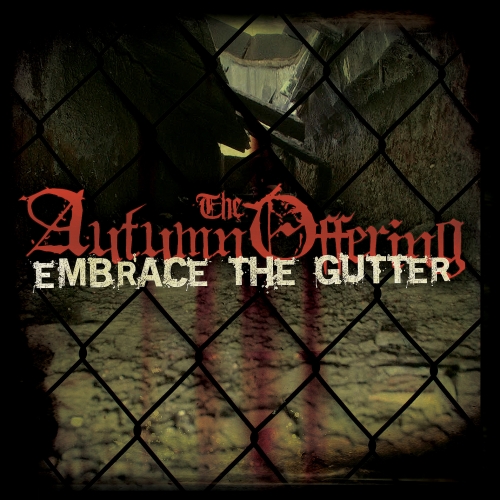
    Embrace the Gutter is the second album by The Autumn Offering. It features a fluid blend of metalcore and melodic death metal, a style that had gained a lot of traction by its release in 2006, but Embrace the Gutter is far from a run of the mill bandwagoning effort. There are plenty of guitar leads and tasteful solos without many of the typical hardcore breakdowns or drawn out guitar chugging sessions that can be found on albums by many of their contemporaries.

    Vocalist Dennis Miller has improved a lot since the bands 2004 debut Revelations of the Unsung and while he still utilises a throaty shout, it is more accessible and easier to understand than before. His lyrics revolve around personal struggles so the mentions of decay and disease are metaphors for these things instead of being over the top and literal like in other bands.

    Aside from the excellent blend of metal guitar soloing and hardcore bridges, The Autumn Offering has some tasteful clean guitar interludes on No End in Sign and One Last Thrill that would have been a brilliant third side to the band’s sound if it was utilised fully. This third side is only brought to life properly on the instrumental closer The Final Cut and features classical piano playing over the drums and guitars. This then transforms into a cinematic interlude complete with wind effects that take up about half the song before closing with one final dramatic guitar chord and drum beat.

    Embrace the Gutter is an overlooked album but it is a worthy addition to the collection of melodic death metal or metalcore fans. Its short length works to its advantage and prevents it from ever becoming stale or tired and instead offers a great deal of replay value.

    Performers:

    Sean Robbins: Bass
    Nick Gelyon: Drums
    Matt Johnson: Guitar
    Dennis Miller: Vocals
    Tommy Church: Guitars

    External Links:

    The Autumn Offering on Wikipedia | Embrace the Gutter on Wikipedia
    The Autumn Offering on Metal Archives | Embrace the Gutter on Metal Archives

  • Behold the Arctopus Horrorcension Review

    General Information:

    Artist: Behold the Arctopus
    Album: Horrorcension
    Genre(s): Heavy Metal
    Subgenres(s): Progressive Metal
    Released: 2012
    Length: 28 minutes
    Language(s): N/A
    Label(s): Black Market Activities

    Track List:

    01. Disintegore
    02. Monolithic Destractions
    03. Horrorsentience
    04. Deluge of Sores
    05. Putrefucktion
    06. Annihilvore

    Behold the Arctopus Horrorscension Cover
    Behold the Arctopus Horrorscension Cover

    Behold the Arctopus Horrorcension Review

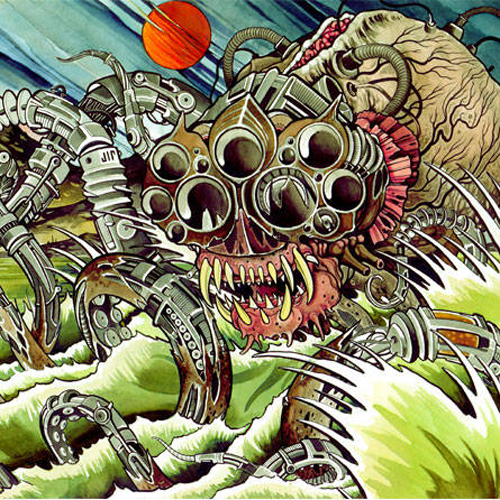
    Horrorcension is the second round of auditory carnage by progressive metal outfit Behold the Arctopus. The songs found on their debut, Skullgrid, are mere pop songs in comparison to the 28 minutes endurance test of Horrorcension. Normally an album should be reviewed on its own merits without more than a quiet nod to another album or band but to express how far-out Behold the Arctopus have swam, drawing some comparisons with Skullgrid is hard to avoid.

    While Skullgrid is certainly a difficult album, it did have some strong moments thrown in the mix along with a semi-sense of structure – a motif or reference point that the band went back to before taking the music in another direction. With Horrorcension there isn’t any of this and the music if far more outlandish than whatever you might think the ridiculous song titles allure to.

    The songs twist and turn in every way imaginable and make it nearly impossible to follow anything, leaving you with nothing more than a senseless cacophony of guitar screeches and percussive slaps that won’t mean anything to you. There are very few breaks from the status quo and the most noticeable are the short, merciful interludes found on Horrorsentience and Putrefucktion. The most memorable moment can be found on Annihilvore when Behold the Arctopus exchange their progressive metal frenzy for a relatively straightforward black metal sound mid song.

    While Horrorcension lacks emotion due to its intense focus on the technical skills and performance of the band, it is still guaranteed to give the listener an emotional reaction, albeit it will most likely be one of disgust.

    Performers:

    Mike Lerner: Guitars
    Colin Marston: Warr Guitars
    Weasel Walter: Drums

    External Links:

    Behold the Arctopus Homepage
    Behold the Arctopus on Wikipedia | Horrorcension on Wikipedia

  • Judas Priest Nostradamus Review

    General Information:

    Artist: Judas Priest
    Album: Nostradamus
    Genre(s): Heavy Metal
    Subgenres(s): Heavy Metal
    Released: 2008
    Length: 56 minutes (CD 1 tracks 1-13), 47 minutes (CD 2 tracks 14-23)
    Language(s): English
    Label(s): Sony Music

    Track List:

    01. Dawn of Creation
    02. Prophecy
    03. Awakening
    04. Revelations
    05. The Four Horsemen
    06. War
    07. Sands of Time
    08. Pestilence and Plague
    09. Death
    10. Peace
    11. Conquest
    12. Lost Love
    13. Persecution
    14. Solitude
    15. Exiles
    16. Alone
    17. Shadows in the Flame
    18. Visions
    19. Hope
    20. New Beginnings
    21. Calm Before the Storm
    22. Nostradamus
    23. Future of Mankind

    Judas Priest Nostradamus Cover
    Judas Priest Nostradamus Cover

    Judas Priest Nostradamus Review

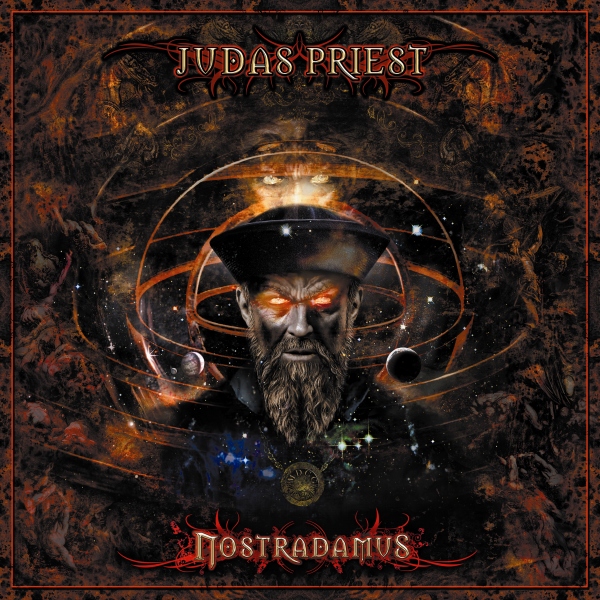
    Nostradamus is the 16th studio album by heavy metal icons Judas Priest. After testing the waters on their 2005 album Angel of Retribution with a 13 minute doom metal song, Loch Ness, it seems as though Judas Priest have gotten a real taste for pushing their artistic boundaries by ambitiously crafting a concept double album revolving around the life of the French seer Nostradamus.

    The most immediate thing you’ll notice, aside from the colossal length, is the inclusions of keyboards as a lead instrument. Sometimes they outshine or even bury other instruments (most notably Ian Hill’s bass) and are the foundation of no less than 9 interludes which are often accompanied by acoustic or soft electric guitar playing. While they work well to emphasise some of Rob Halford’s singing talents, they make up a combined running time of 17 minutes and can feel overdone by the end the album. It is worth mentioning that the interlude music is eventually fleshed out into a full song, the ballad Lost Love, which is presumably about the loss of his first wife and 2 children to the plague but the lyrics are vague enough to be interpreted in different ways.

    Death is another successful foray into doom metal and it’s a shame that the band only flirt with the subgenre since they prove to be rather skilled in this realm. War turns out to be one of the more experimental songs as it breaks away from heavy metal altogether and sees Judas Priest trying their hand at martial industrial music with surprisingly good results. In another twist, Pestilence and Plague is sung in both English and Italian but unless you understand Italian, it will be hard to say how accurate Rob Halford’s performance is.

    Between the interludes and experimentation we are left with much of their traditional heavy metal sound that is often played at the same mid-paced tempo which doesn’t do much to help the flow of the album. The title track, found near the end of the second CD, starts out like any of the other interludes before breaking into a speed metal frenzy with Rob Halford’s trademark wail to make you think that it has been ripped right out of the Painkiller album. Nostradamus would have benefitted greatly from more songs like this one, if for nothing other than the tempo to shake things up a little.

    Nostradamus would be more digestible if the material was condensed into a single album no more than an hour long but it is always good to hear a band expanding their horizons instead of running around the same hamster wheel endlessly even if the results aren’t perfect.

    Performers:

    Rob Halford: Vocals
    Glenn Tipton: Guitars and Synthesizes Guitars
    K.K. Downing: Guitars and Synthesizes Guitars
    Ian Hill: Bass Guitars
    Scott Travis: Drums

    External Links:

    Judas Priest Homepage
    Judas Priest on Wikipedia | Nostradamus on Wikipedia

  • Sick of it All Death to Tyrants Review

    Artist: Sick of it All
    Album: Death to Tyrants
    Genre(s): Rock
    Subgenres(s): Hardcore Punk
    Released: 2006
    Length: 37 minutes
    Language(s): English
    Label(s): Abacus Records

    Track List:

    01. Take the Night Off
    02. Machete
    03. Preamble
    04. Uprising Nation
    05. Always War
    06. Die Alone
    07. Evil Schemer
    08. Leader
    09. Make a Mark
    10. Forked Tongue
    11. The Reason
    12. Faithless
    13. Fred Army
    14. Thin Skin
    15. Maria White Trash
    16. Don’t Join the Crowd (European Bonus Track)

    Sick of it All Death to Tyrants Cover
    Sick of it All Death to Tyrants Cover

    Sick of it All Death to Tyrants Review

    Death to Tyrants is a testosterone fuelled rage fit by Sick of it All. After the first few songs you’ll come to realise that Sick of it All are content with playing short, snappy bursts of hardcore punk and aren’t trying to do anything else. While the passion is clearly there, the lack of desire to diversify their sound leaves each song on Death to Tyrants sounding all too similar to the ones before it.

    However the biggest grievance on Death to Tyrants has to be vocalist Lou Koller, who insists on spluttering over what could have been some well-crafted songs without his constipated gorilla cries. Instead, Death to Tyrants turns into nothing more than an endurance test to get to the end of it.

    Death to Tyrants is best left to the hardcore punk enthusiasts as it will leave the rest of us feeling sick of it all before the album is halfway done.

    Performers:

    Lou Koller: Vocals
    Pete Koller: Guitar
    Craig Setari: Bass Guitar
    Armand Majidi: Drums

    External Links:

    Sick of it All Homepage
    Sick of it All on Wikipedia | Death to Tyrants on Wikipedia
    Sick of it All on Discogs | Death to Tyrants on Discogs

  • Spiritual Beggars Ad Astra Review

    General Information:

    Artist: Spiritual Beggars
    Album: Ad Astra
    Genre(s): Rock
    Subgenres(s): Stoner Rock
    Released: 2000
    Length: 60 minutes
    Language(s): English
    Label(s): Music for Nations

    Track List:

    01. Left Brain Ambassadors
    02. Wonderful Word
    03. Sedated
    04. Angel of Betrayal
    05. Blessed
    06. Per Aspera Ad Astra
    07. Save Your Soul
    08. Until the Morning
    09. Escaping the Fools
    10. On Dark Rivers
    11. The Goddess
    12. Mantra
    13. Let the Magic Talk

    Spiritual Beggars Ad Astra Cover
    Spiritual Beggars Ad Astra Cover

    Spiritual Beggars Ad Astra Review

    Ad Astra is the fourth Spiritual Beggars album and the last to feature original singer Christian “Spice” Sjostrand. It is a fitting final album for him that sets the standard in terms of his own performance and that of his band mates which have all improved leaps and bounds in the time since their debut album, Spiritual Beggars, was release in 1994.

    There is no build up or easing off with Ad Astra. Spiritual Beggars go in at full throttle and after the third song, Sedated, you’re already half expecting the group to throw in a ballad but we’re in luck – there aren’t any. Ad Astra is almost an entire hour of face melting guitar riffs, authoritative percussive blows, dense bass and lively keyboard work to fill in any semblance of quiet.

    The first parts of Until the Morning and Mantra would have you thinking otherwise before you get floored by brooding doom metal force on the former and flashy solo work on the latter. Given that Spiritual Beggars don’t slow down on Ad Astra and focus primarily on the guitar, it is hard to call it sonically diverse. What they lack in this department is more than made up for with their finely honed song-writing skills and stunning musicianship that will blow your mind straight out the back of your head.

    Ad Astra is a staple of the Spiritual Beggars discography with the single-minded, full throttle approach to the song-writing actually being the Spiritual Beggars greatest asset that doesn’t fail them for a single moment.

    External Links:

    Spiritual Beggars Homepage
    Spiritual Beggars on Wikipedia | Ad Astra on Wikipedia
    Spiritual Beggars on Discogs | Ad Astra on Discogs

  • Black Sabbath Black Sabbath Review

    General Information:

    Artist: Black Sabbath
    Album: Black Sabbath
    Genre(s): Blues Rock
    Subgenres(s): N/A
    Released: 1970
    Length: 38 minutes
    Language(s): English
    Label(s): Vertigo

    Track List:

    01. Black Sabbath
    02. The Wizard
    03. Behind the Wall of Sleep
    04. N.I.B.
    05. Evil Woman (Don’t Play Your Games with Me) (Crow Cover)
    06. Sleeping Village
    07. Warning (Aynsley Dunbar Retaliation Cover)

    Black Sabbath Black Sabbath Cover
    Black Sabbath Black Sabbath Cover

    Black Sabbath Black Sabbath Review

    Black Sabbath is the influential self-titled blues rock album that was underrated and even shunned by critics on its release in 1970. It subsequently played a large role in shaping the face of modern rock and even heavy metal before many critics warmed to it.

    Most of the album is focused on blues rock with some standout moments being The Wizard, which features a harmonica played by Ozzy Osbourne while Evil Woman (Don’t Play Your Games with Me) is a cover version of a song originally written and performed by the short lived American blues rock band Crow.

    There are some exceptions to the focus on blues rhythms however. Sleeping Village starts out as a soft, almost psychedelic tinged song with a Jew’s harp courtesy of producer Rodger Bain that is set to peaceful lyrics that contrast with the themes already mentioned before turning into a frantic instrumental jam. This sets you up for Warning, a cover of an extended jam session by the Aynsley Dunbar Retaliation that lasts for a little over 10 minutes.

    The main influence taken by future bands comes from the distinctive downtuned guitar tone and for laying the foundations for both stoner rock and the doom metal subgenre of heavy metal before the genre was even conceived. Ozzy Osbourne also proved that you don’t need to be a great singer to be a success though it is worth mentioning that his distinct voice is very fitting for the Black Sabbath sound.

    Horror films and fantasy stories are the focus of Black Sabbaths lyrics as they worked under the mentality of “if these themes can be used in books and films to scare people, then why not in music as well?” From the innovative title track to N.I.B. you’ll fantasy themed lyrics referencing witches, wizards, magic, the devil and more. These themes were controversial for the time and had a knock on effect with the lyrics and imagery of many future heavy metal bands.

    Black Sabbath is written around blues rock with the band members letting their own creativity and inspiration expand their sound beyond the confines of said fusion genre which let them unknowingly lay the foundations for new subgenres of music with a single 38 minute album.

    Performers

    Ozzy Osbourne: Vocals, harmonica
    Tony Iommi: Guitar
    Geezer Butler: Bass
    Bill Ward: Drums
    Rodger Bain: Jew’s harp

    External Links:

    Black Sabbath Homepage
    Black Sabbath on Wikipedia | Black Sabbath on Wikipedia
    Black Sabbath on Discogs | Black Sabbath on Discogs

  • Opeth Pale Communion Review

    General Information:

    Artist: Opeth
    Album: Pale Communion
    Genre(s): Rock
    Subgenres(s): Progressive Rock
    Released: 2014
    Length: 56 minutes
    Language(s): English
    Label(s): Roadrunner Records

    Track List:

    01. Eternal Rains Will Come
    02. Cusp of Eternity
    03. Moon Above, Sun Below
    04. Elysian Woes
    05. Goblin
    06. River
    07. Voice of Treason
    08. Faith in Others

    Opeth Pale Communion Cover
    Opeth Pale Communion Cover

    Opeth Pale Communion Review

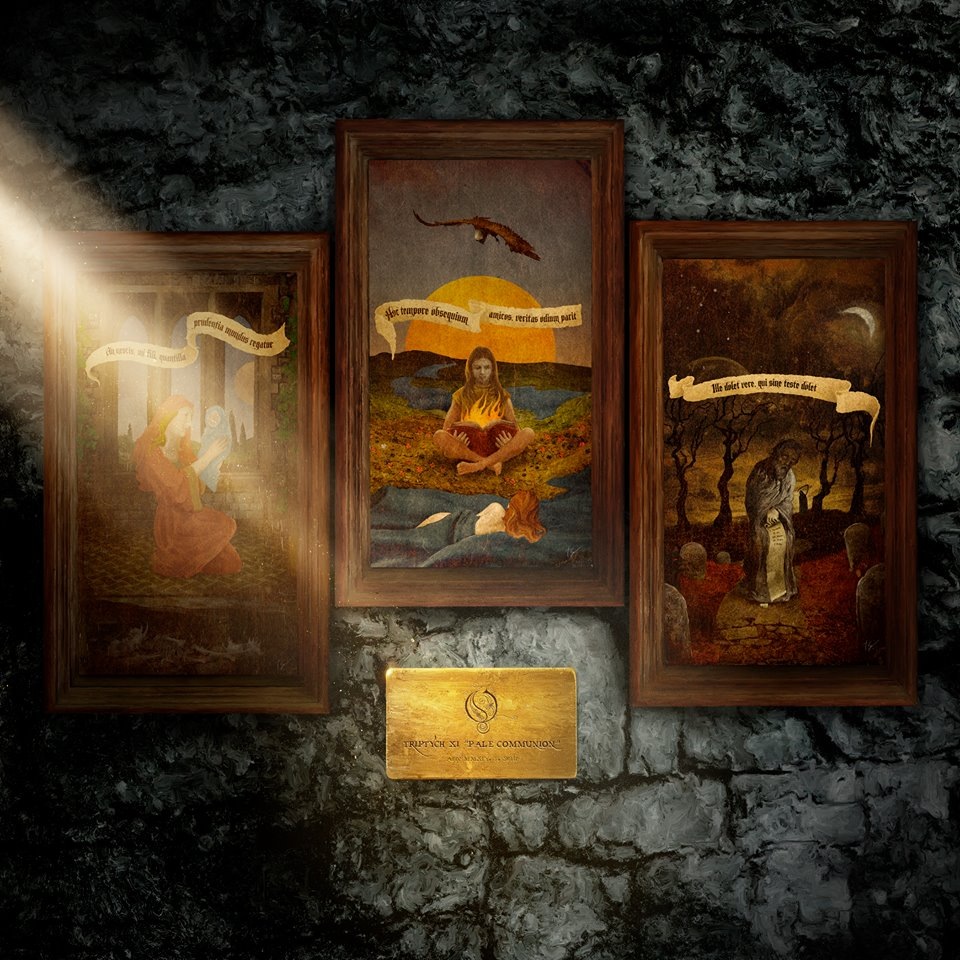
    Pale Communion is the eleventh studio album and third progressive rock outing by Opeth. Following on from the Damnation and Heritage albums, Pale Communion sees Opeth once again exploring their progressive rock influences without any traces of their death metal side which thankfully excludes the grunts and growls too. There is also some jazz fusion influence creeping in, which could be due to co-producer and guest backing vocalist Steven Wilson (Porcupine Tree, solo) following his own taking to the genre in the last few years.

    After appearing in a guest role on Heritage’s title track, keyboardist Joakim Svalberg has now joined the ranks of Opeth as a fulltime band member following the departure of Per Wiberg (Spiritual Beggars). The overall sound of Pale Communion is most easily described as a continuation of what is heard on Heritage. The big differences are that Opeth are more confident in embracing their progressive rock roots and the songs are more fine-tuned with many of them having a longer running time to reflect this.

    Like many of the songs on Pale Communion, Cusp of Eternity has a myriad of passages woven together seamlessly but for no reason it ends with a fade out. Given how many directions some songs on Pale Communion take, it almost comes across as Opeth brushing it aside for the ambitious 11 minute Moon Above, Sun Below, which does not feel like it’s half as long as it is.

    Still not content with their new sound, Opeth takes a breather on Elysian Woes by introducing elements of folk music and keeps a steadier pace to bring Michael Akerfeldt’s voice to the front. River is written in the same vein with a stronger emphasis on vocal melodies (which is another major addition to the album that gets its biggest spotlight on Faith in Others) and has a bit of a jam session part way through to mix things up even further.

    Goblin tips its hat to the Italian progressive rock outfit of the same name and is the only instrumental track on Pale Communion. It centres around a steady build up and drummer Martin Axenrot throwing in plenty of short and sharp fills to keep you on your toes. With all the songs before Voice of Treason being much lighter by comparison, it takes an uncharacteristically tense twist that is reminiscent of the song Closure from Opeth’s 2003 album Damnation. The atmospheric keyboard work at the end bridges it with Faith in Others to create a 16 minute 2 part song.

    The complete lack of heavy metal will be a disappointment for long-time fans that haven’t embraced Opeth’s progressive rock side but for the rest of us, it’s another exciting chapter in Opeth’s discography as well as the modern progressive rock scene as it seems that Opeth has its collective heart set on this path for the time being.

    Performers:

    Fredrik Akesson: Guitars, backing vocals
    Mikael Akerfeldt: Vocals, guitars
    Martin Axenrot: Drums, percussion
    Martin Mendez: Bass guitars
    Joakim Svalberg: Keyboards, backing vocals
    Steven Wilson: Backing vocals

    External Links:

    Opeth Homepage
    Opeth on Wikipedia | Pale Communion on Wikipedia
    Opeth on Discogs | Pale Communion on Discogs
    Opeth on Metal Archives | Pale Communion on Metal Archives

  • Fleet Foxes Helplessness Blues Review

    Fleet Foxes Helplessness Blues Review

    Artist: Fleet Foxes
    Album: Helplessness Blues
    Genre(s): Folk, Folk Rock
    Subgenres(s): Progressive Folk
    Released: 2011
    Length: 50 minutes
    Language(s): English
    Label(s): Bella Union, Sub Pop

    Track List:

    01. Montezuma
    02. Bedouin Dress
    03. Sim Sala Bim
    04. Battery Kinzie
    05. The Plains/Bitter Dancer
    06. Helplessness Blues
    07. The Cascades
    08. Lorelei
    09. Someone You’d Admire
    10. The Shrine/An Argument
    11. Blue Spotted Tail
    12. Grown Ocean

    Fleet Foxes Helplessness Blues Cover

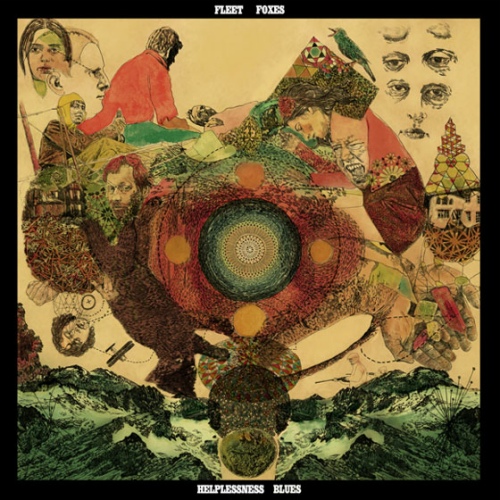
    Helplessness Blues is the second album by American folk band Fleet Foxes. While having many of the hallmarks of their self-titled debut, Helplessness Blues show some growth in the Fleet Foxes repertoire that proves they aren’t afraid to branch out. The song-writing has gotten more adventurous with half of them averaging 4.5 minutes compared to their debut which only has 3 songs over the 4 minute mark. Elements of progressive music have also trickled in with the influence being most noticeable on The Plains/Bitter Dancer, Helplessness Blues and The Shrine/An Argument.

    While the title Helplessness Blues could allure to an influence from blues music this isn’t the case. It would be more accurate to say Fleet Foxes are singing the blues as many of their lyrical themes deal with reflection, finding your place in life, sadness and nostalgia. Nature is still a recurring theme though it is less central than it was on their debut.

    In all of the diverse instrumentation found on Helplessness Blues, the only low point to mention is the trumpet on The Shrine/An Argument. It sounds like it is being sexually assaulted by a feral badger when Fleet Foxes summons the worst of Neutral Milk Hotel on an otherwise standout song.

    Fleet Foxes push themselves creatively and come out on top so if you can overlook the trumpet incident there’s no reason not to pick up Helplessness Blues.

  • Melvins A Senile Animal Review

    Melvins A Senile Animal Review

    Artist: Melvins
    Album: A Senile Animal
    Genre(s): Heavy Metal, Rock
    Subgenres(s): Doom Metal, Hardcore Punk, Sludge Metal, Stoner Rock
    Released: 2006
    Length: 41 minutes
    Language(s): English
    Label(s): Ipecac Recordings

    Track List:

    01. The Talking Horse
    02. Blood Witch
    03. Civilized Worm
    04. A History of Drunks
    05. Rat Faced Granny
    06. The Hawk
    07. You’ve Never Been Right
    08. A History of Bad Men
    09. The Mechanical Bride
    10. A Vast Filthy Prison

    Melvins A Senile Animal Cover

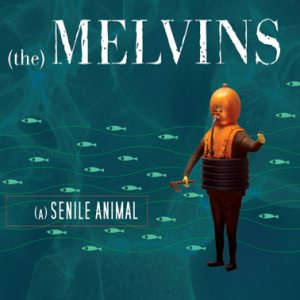
    A Senile Animal is the 15th album by sludge metal pioneers Melvins. Playing alongside founding members Buzz Osborne (guitar) and Dale Crover (drums) are bassist Jared Warren and drummer Coady Willis of Big Business. Having 2 drummers might sound redundant or gimmicky even for a band that pioneered the unlikely fusion of hardcore punk and doom metal but any sense of doubt is buried deep under an avalanche of marinated distortion and mayhem.

    All 4 band members share vocal duties but you’ll be hard pressed to single out who’s who with their uniformed ghoulish wails. Aside from the odd line, the lyrics are hard to make out even at the best of times. In a way that can only be pulled off in rock music, the lack of clarity here adds a certain murky charm to A Senile Animal.

    The blend of hardcore punk and unassuming doom metal plods with the aesthetics of stoner rock rings true to the sludge metal sound. Most songs on A Senile Animal lean heavily in favour of the hardcore punk influences as well as the unique styling of the Melvins. The major change comes with the last 3 songs; A History of Bad Men, The Mechanical Bride and A Vast Filthy Prison. They are on average 6.5 minutes long (whereas most other songs are about 3 minutes) and the tempo all but dies so that the Melvins can let the doom metal inspiration ooze out.

    Their flexible song-writing and genre-bending styles add a wealth of depth that is rounded off by how fluidly drummers Dale Crover and Coady Willis play together. The Melvins will give you a real tour de force on A Senile Animal that you won’t find anywhere else.

  • Ulver Shadows of the Sun Review

    Ulver Shadows of the Sun Review

    Artist: Ulver
    Album: Shadows of the Sun
    Genre(s): Ambient
    Subgenres(s): Ambient
    Released: 2007
    Length: 40 minutes
    Language(s): English
    Label(s): The End Records, Jester Records

    Track List:

    01. Eos
    02. All the Love
    03. Like Music
    04. Vigil
    05. Shadows of the Sun
    06. Let the Children Go
    07. Solitude (Black Sabbath Cover)
    08. Funebre
    09. What Happened?

    Ulver Shadows of the Sun Cover

    Shadows of the Sun is an ambient album by Ulver. By this point in their career, anyone familiar with Ulver should know that you can’t predict what direction they’ll take on their next album and to live up to their reputation, they followed up their noisiest album in about a decade (Blood Inside, 2005) with one of their softest albums to date.

    Unlike the swirling keyboard sounds that are common to ambient music, Ulver utilises live instruments to make up the bulk of the album and go as far as including a theremin on Eos and Funebre while hiring a string quartet that appears on many of the songs. If sombreness could be personified by any musical work it would be Shadows of the Sun.

    If you listen to Shadows of the Sun casually a lot of the music can blend into a long soundscape but if you pay attention you will hear thoughtful piano melodies and dramatic strings that make Shadows of the Sun an exceptionally cohesive, low key album perfect for the small hours. Kristoffer Rygg’s voice remains within the baritone range for most of Shadows of the Sun, which suits the theme of the album perfectly and happens to be one of his strongest performances with Ulver.

    Ulver shakes off the hazy atmosphere by weaving glitchy noises and thudding percussion together on songs such as Like Music, a calm piano ballad that turns into an eerie dark ambient soundscape and Let the Children Go, which builds up to a dramatic martial industrial anthem with another appearance of the trumpet to avoid any accusations of monotony.

    Another standout moment is the cover of Black Sabbath’s Solitude, which holds true to the original but Ulver manages to make it their own song by making the bass more prominent and replacing the flute with the trumpet. It holds the same feeling as the original and surprisingly, it fits in with the rest of Shadows of the Sun despite it being the only rhythm based song on the entire album.

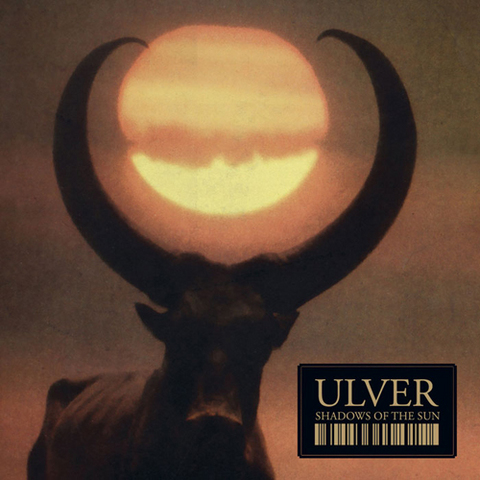
    The cover art for Shadows of the Sun is actually a good reflection of the album once you’ve heard it and although music doesn’t fit neatly into a single genre, ambient is the closest you will get given the texture heavy nature of the songs.

    Shadows of the Sun is a creative set of soundscapes that continue to explore the prevalent melancholic themes Ulver revel in to create (and reinvent) their unique musical vision with.

  • Reverend Bizarre In the Rectory of the Bizarre Reverend Review

    Reverend Bizarre In the Rectory of the Bizarre Reverend Review

    Artist: Reverend Bizarre
    Album: In the Rectory of the Bizarre Reverend
    Genre(s): Heavy Metal
    Subgenres(s): Doom Metal
    Released: 2002
    Length: 74 minutes
    Language(s): English
    Label(s): Sinister Figure, Low Frequency Records (2003 rerelease), Spikefarm Records (2004 rerelease)

    Track List:

    01. Burn in Hell!
    02. In the Rectory
    03. The Hour of Death
    04. Sodoma Sunrise
    05. Doomsower
    06. Cirith Ungol

    Reverend Bizarre In the Rectory of the Bizarre Reverend Cover

    In the Rectory of the Bizarre Reverend is the first full length album by Finnish doomsters Reverend Bizarre. They draw heavily from doom metal pioneers Candlemass and most of the songs you’ll hear are upwards of 10 minutes with the exceptions being Burn in Hell and Doomsower, the latter of which is followed up by Cirith Ungol, the 21 minute monolithic conclusion to In the Rectory of the Bizarre Reverend.

    Reverend Bizarre have all of the hallmarks of the traditional doom metal sound; long songs with an atypical structure, sparse guitar plods, dramatic baritone singing, religious iconography and a guitar tone so thick that you can almost see it. Opener Burn in Hell has enough material to carry itself while establishing the consistent sound of Reverend Bizarre’s debut. Singer and bassist Sami Albert Hynninen (performing as Magister Albert) delivers one of the best lines of the album on this song, the spiteful “you bastards” that finishes the dirge.

    Unfortunately by the time you get to The Hour of Death, you’ll find the songs start to lack variety and substance as Reverend Bizarre force themselves to drag out the slow, distorted passages beyond what most people would consider reasonable and it feels like they are doing it for the sake of it. Cirith Ungol embodies all of these negative traits despite having some tasteful throwbacks to Black Sabbath’s self-titled song and Iron Man.

    Guitarist Kimi Karki (as Peter Vicar) and drummer Jari Pohjonen (as Earl of Void) kick the songs into gear between the guitar plods (as heard best on In the Rectory and Sodoma Sunrise) with some fantastic up-tempo guitar grooves, rapid drum fills and even an extended psychedelic guitar solo that will catch you off guard. The entirety of Doomsower is a curve ball in its own right. It is a brilliant hybrid of doom metal and stoner rock that is condensed into relatively short 5 minute blast. It shows exactly what the trio of Reverend Bizarre are capable of doing when they get straight to business without any of the filler material pointlessly jammed in there.

    When Reverend Bizarre can be bothered to play with feeling they have some serious content to offer and if they followed this routine for the other songs it would have improve the experience tenfold. The dragged out passages don’t have the desired effect of building a foreboding atmosphere and will instead leave you cold after listening for long enough. While Reverend Bizarre have a genuine passion for creating doom metal, they prove to be too ambitious for themselves on In the Rectory of the Bizarre Reverend so sparing a few glowing moments, this is an album that should be reserved for doom metal fanatics.

  • Various Artists Flowers Made of Snow Review

    Various Artists Flowers Made of Snow Review

    Artist: Various Artists
    Album: Flowers Made of Snow
    Genre(s): Ambient, Folk, Industrial, Neoclassical, Noise
    Subgenres(s): Dark Ambient, Martial Industrial, Neoclassical, Neofolk, Power Electronics
    Released: 2004
    Length: 55 minutes (CD 1), 63 minutes (CD 2)
    Language(s): English
    Label(s): Cold Meat Industries

    Track List (CD 1):

    01. Coph Nia – The Oath
    02. The Protagonist – The Sick Rose
    03. In Slaughter Natives – The Vulture
    04. Olen’k – Season of Tears
    05. All My Faith Lost – Sleep Now
    06. The Last Hour – Into Empty Depth
    07. Apatheia – Safehouse
    08. Ataraxia – Incabala
    09. Ordo Rosarius Equilibrio – Yesterday Brings But a Serpent of Ash
    10. Hexperos – The Warm Whisper of the Wind
    11. Sibelian – The Sin Eater
    12. Sanctum – Lie Low

    Various Artists Flowers Made of Snow Cover

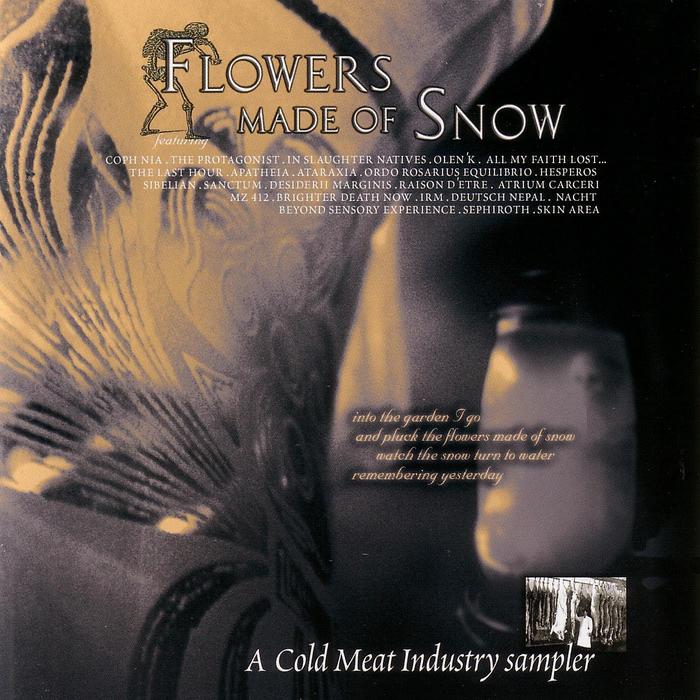
    Flowers Made of Snow is a Various Artists compilation by the Cold Meat Industry label. Presented as a sampler of the labels current artists, the compilation covers ambient, folk, industrial and noise music across 2 CDs and 23 different artists. The first CD focuses largely on the more accessible side of Cold Meat Industry with a diverse set of neofolk, martial industrial and neoclassical songs.

    The Oath by Coph Nia sets the tone with a dramatic spoken word performance. The lyrics act as a proclamation for Cold Meat Industries, which are seemingly the rejection of mainstream culture and more specifically the music associated with it. Ordo Rosarius Equilibrio is the only other martial industrial band featured on Flowers Made of Snow and while the subgenre is sadly underrepresented, together they show what can be offered in their brief but powerful presence.

    There are 3 neoclassical nightmares courtesy of The Protagonist, In Slaughter Natives and The Last Hour. The only thing to be said for certain of the neoclassical songs is that the performers are not happy people. Between the hushed murmurs, haunting soprano wails, tense violins and bleak ambiance, you’ll feel as though you’ve found yourself in the middle of someone else’s misery in these emotive pieces.

    Making up about half of the first CD is a set of groups playing neofolk music that at times sounds worlds apart from each other despite being under the same umbrella. All My Faith Lost and O’lenk play low key songs with female lead singers that don’t pull any punches. In contrast Hexperos follow suit until their song (The Warm Whisper of the Wind) is warped into another neoclassical nightmare akin to The Vulture by In Slaughter Natives.

    Apatheia and Ataraxia both perform uncharacteristically lively songs that are like reimagining’s of medieval folk music. They both have catchy acoustic guitars and more upbeat singing styles (the latter of which sounds like a cross between chanting, yodelling and opera singing) that evens out some of the tension present in many of the other songs.

    Sibelian takes influence from both the neoclassical and martial industrial camps for the 9 minute mini-epic The Sin Eater. Some elements of electronic music can be heard through the sound effects and (what sounds like programmed) drumming. This conceptually links to Lie Low by Sanctum, the final song on the first CD. It is a dissonant song belonging to the power electronics subgenre of noise music. It doesn’t fit in with the rest of the music found here and acts as a disturbingly unwelcome prelude to the second CD.

    The first CD in the Flowers Made of Snow compilation does an excellent job of showcasing what Cold Meat Industries and the fringe genres of martial industrial, neoclassical and neofolk have to offer if you can stomach melancholic music in this diverse and ever twisting compilation.

    Track List (CD 2):

    01. Desiderii Marginis – Where I End and You Begin
    02. Raison D’etre – Mouldering the Forlorn II
    03. Atrium Carceri – Impaled Butterfly
    04. Mz.412 – In Hoc Signe Vinces
    05. Brighter Death Now – While You Sleep
    06. IRM – My Mother
    07. Deutsch Nepal – Of Parasites and Disguises
    08. Nacht – Death Posture
    09. Beyond Sensory Experience – The Trade
    10. Sephiroth – Therasia
    11. Skin Area – Choose Art… Not Life

    The second CD of the Flowers Made of Snow compilation is in stark contrast to the first. It focuses exclusively on the subtle and the abrasive (and arguably hostile) side of Cold Meat Industries in the form of dark ambient and power electronics music.

    It starts out harmless enough with Where I End and You Begin by Desiderii Marginis, a dark ambient song fused with soft guitar distortion and what sounds like the slow, distant groans of a didgeridoo. Raison D’etre and Atrium Carceri carry on the dark ambient themes and almost link together to create an interesting 3 part song.

    Mz.412, Brighter Death Now and IRM are three noise groups that work together in the same way as the dark ambient trilogy do. Unfortunately these songs are on the opposite side of the musical spectrum and are grating enough to make blood ooze profusely from every orifice on your body. Thankfully Nacht and Skin Area are the only other 2 noise groups on the CD with Deutsch Nepal, Beyond Sensory Experience and Sephiroth stepping in between these seemingly unending harsh songs to offer some relief from the discomfort they cause.

    You could just as easily sit in a cement mixer and get someone to bash it with crowbar to achieve the same headache inducing effect that you get from the noise songs. The only difference is that you wouldn’t need to put up with the artistic pretence to get one.

    The coupling of these genres provides an excellent contrast in sound if nothing else. The dark ambient songs on the second CD of the Flowers Made of Snow compilation are certainly worth a listen if you have the patience for eerie soundscapes but the noise songs should be left well alone unless you are a masochist or hate yourself.

  • Lost Horizon A Flame to the Ground Beneath Review

    Lost Horizon A Flame to the Ground Beneath Review

    Artist: Lost Horizon
    Album: A Flame to the Ground Beneath
    Genre(s): Heavy Metal
    Subgenres(s): Power Metal, Progressive Metal
    Released: 2003
    Length: 53 minutes
    Language(s): English
    Label(s): Music for Nations

    Track List:

    01. Transdimensional Revelation
    02. Pure
    03. Lost in the Depths of Me
    04. Again Will the Fire Burn
    05. The Song of Earth
    06. Cry of a Restless Soul
    07. Think Not Forever
    08. Highlander (The One)
    09. Deliverance

    Lost Horizon A Flame to the Ground Beneath Cover

    A Flame to the Ground Beneath is the second and final album by Swedish metal outfit Lost Horizon. It is a direct continuation of the distinctively uplifting power metal/progressive metal sound that they developed on their first album, Awaken the World.

    The songs are longer than before and in keeping with the tradition of progressive music, they contain many verses that can flow easily from one to the next without necessarily having the need for a chorus. The saving grace Lost Horizon balances this out with is never getting wrapped up in taking their songs in a thousand and one directions while maintaining their triumphant sound and positive message about self-empowerment and free will over fate in their lyrics.

    Sadly, Lost Horizon still insists on including their ambient interludes which fail to leave a lasting impression. The introduction song, Transdimensional Revelation, is slow on the uptake and doesn’t give any indication as to what A Flame to the Ground Beneath is all about. However it does serve as an excellent buffer to the first metal song, Pure, and gives it a bigger impact when it kicks in seemingly out of nowhere (although it should be noted that like the other songs, it can speak for itself). The odd coupling of ambient interludes and heavy metal is by no means a bad concept but the execution is definitely in need of refinement.

    Both the bass and keyboard playing can be heard clearly enough but the bass still finds itself competing with the guitars and drums like it does in many other metal bands. The keyboard tends to find itself in a supporting role but has a few moments to bolster some songs such as Lost in the Depths of Me and Again the Fire Will Burn. It is also the only instrument on the mid-album interlude The Song of Earth, which pleasantly enough turns out to be a full song rather than misguided soundscaping.

    Much like Awaken the World, A Flame to the Ground Beneath is sung entirely in English and not being the bands native language, there are some mishaps with the lyrics that don’t flow exactly as they should do. On most occasions Daniel Heiman’s vocal range alone will distract you from this and more than makes up for it.

    One of the major highlights of A Flame to the Ground Beneath is Highlander (The One), a 12 minute epic that features some of Daniel Heiman’s most extravagant moments and with all the wailing he does, it would make you think that the entire song was written for him to push his voice to the limit. The last minute of the song is by far one of the best metal moments committed to a recording. Unfortunately A Flame to the Ground Beneath ends with the interlude Deliverance. This deals a significant blow to the flow of the album as it should have ended on Highlander (The One) to give you the massive triumphant feeling that Lost Horizon is all about.

    The songs (that go from 6 to 12 minutes) might sound daunting on first impressions but Lost Horizon have the musical chops to back up their ambitious goals and present another significant entry into the power metal/progressive metal catalogue with A Flame to the Ground Beneath.

  • Palms Palms Review

    Palms Palms Review

    Artist: Palms
    Album: Palms
    Genre(s): Rock
    Subgenres(s): Post Rock, Shoegazer
    Released: 2013
    Length: 47 minutes
    Language(s): English
    Label(s): Ipecac

    Track List:

    01. Future Warrior
    02. Patagonia
    03. Mission Sunset
    04. Shortwave Radio
    05. Tropics
    06. Arctic Handshake

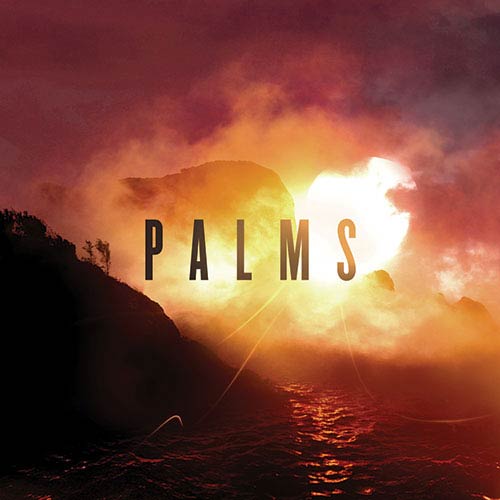
    Palms Palms Cover

    Palms is a post rock/shoegazer super group made up of Deftones singer Chino Moreno and 3 members of Isis. The first thing you’ll notice about all of the songs on their self-titled debut is that they all lack hooks and grooves to grab your attention. Instead they rely on lengthy guitar soundscapes that focuses heavily on layering shimmering clean guitar tones alongside their fuzzed out counterpart (that sometimes boarder on becoming blue noise) with Chino Moreno’s ethereal voice sitting comfortable in the middle of it all.

    Unfortunately the soundscaping that Palms indulges in also happens to be the major pitfall of the album. It becomes apparent early on that the songs lack definition and given that the song lengths average out at almost 8 minutes each, there is little variety and ever fewer memorable moments. This becomes frustrating when the songs sound like they are building up to something but then nothing significant happens, resulting in some rather lengthy songs that don’t appear to have any real momentum behind them.

    Sadly the album isn’t what it could have been and while Palms have a lot of style in their well-crafted ambience, they lack the substance in the song writing department that makes an album memorable and engaging. If you hear a single song from Palms then you’ve heard the rest of the album. Stronger song writing would have given it the potential to be a sonic masterpiece but the lack of variety is what holds Palms back.

  • Pokey LaFarge Pokey LaFarge Review

    Pokey LaFarge Pokey LaFarge Review

    Artist: Pokey LaFarge
    Album: Pokey LaFarge
    Genre(s): Folk
    Subgenres(s): Americana
    Released: 2013
    Length: 40 minutes
    Language(s): English
    Label(s): Third Man Records

    Track List:

    01. Central Time
    02. The Devil Ain’t Lazy
    03. What the Rain Will Bring
    04. Wontcha Please Don’t Do It
    05. One Town at a Time
    06. Kentucky Mae
    07. Bowlegged Woman
    08. City Summer Blues
    09. Day After Day
    10. Let’s Get Lost
    11. Close the Door
    12. Home Away from Home

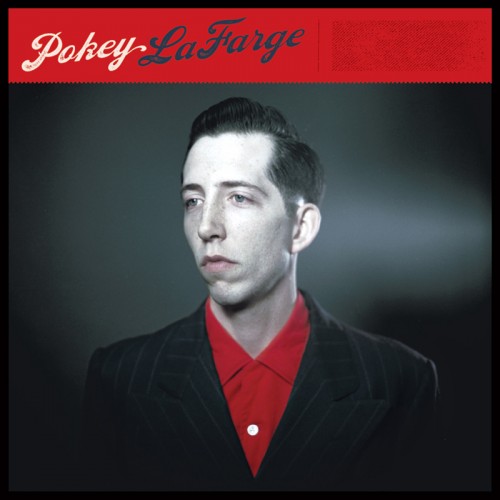
    Pokey LaFarge Pokey LaFarge Cover

    Folk musician Pokey LaFarge harkens back to the Americana sound of the early 20th century for his self-titled album. He wistfully mimics the sound of yesteryear with a cheery disposition that is packaged perfectly for a 21st century audience. The only tell-tale sign of Pokey LaFarge being a modern recording is the sound quality but aside from that you wouldn’t be any the wiser.

    The man himself takes on the role of lead singer, songwriter, lyricist and acoustic guitarist to bring his nostalgic old time sound into fruition. He has also enlisted a number of multi-instrumentalists to bring a wealth of variety and colour to his jaunty compositions. Some of the other instruments used include the harmonica, upright bass, violin, viola, cello, piano, clarinet, cornet and both male and female backing vocals.

    Influence from early jazz music can be heard on What the Rain Will Bring, Kentucky Mae, Day After Day and Home Away from Home. While they tend to be low key when compared to many of the other songs, they do feel like a natural extension of his Americana sound.

    The lyrics are written in a way that wouldn’t put them out of place in music from the 1950’s or before and this as this plays right into his musical narrative and brings his nostalgic sound full circle.

    Pokey LaFarge has been quoted saying that “American music is the tops” and if his own music is a good reflection of his influences then it is hard to disagree with this sentiment and you’ll find it impossible not to crack a smile while listening to him.

  • Peeping Tom Peeping Tom Review

    Peeping Tom Peeping Tom Review

    Artist: Peeping Tom
    Album: Peeping Tom
    Genre(s): Rap, Rock
    Subgenres(s): Rap Rock, Trip Hop, Trip Rock
    Released: 2006
    Length: 44 minutes
    Language(s): English
    Label(s): Ipecac Recordings

    Track List:

    01. Five Seconds
    02. Mojo
    03. Don’t Even Trip
    04. Getaway
    05. Your Neighborhood Spaceman
    06. Kill the DJ
    07. Caipirinha
    08. Celebrity Death Match
    09. How U Feelin?
    10. Sucker
    11. We’re Not Alone (Remix)

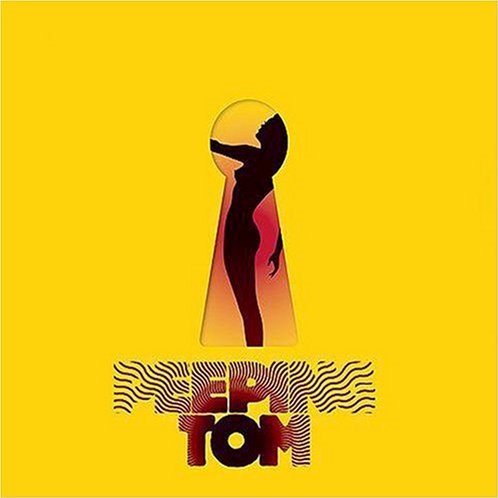
    Peeping Tom Peeping Tom Cover

    Peeping Tom is the debut album of Mike Patton’s rap rock music project of the same name. Put into motion in 2000, the album was recorded from then to 2006 and subsequently released that year. A wealth of guest performers and producers including Dan the Automator, Massive Attack, Kool Keith, Norah Jones and Rahzel amongst others are enlisted to bring a different sound to each song.

    As this is a pop album of sorts, Mike Patton and his collaborators embracing rap, rock and downtempo music that is then blended into a broad set of rap rock and trip hop/trip rock songs with mostly conventional song structures and fewer of the eccentricities associated with many of his other bands (namely Fantomas, Mr. Bungle and his collaborations with John Zorn).

    Some songs (Five Seconds, Mojo and We’re Not Alone) draw back to the rap rock sound of the late 1990s by alternating between rapping and singing to the well-established loud/quiet song structure dynamics. Thankfully the overblown angst ridden lyrics are out of the equation and this prevents it from becoming a pale imitation of the scene it draws inspiration from.

    Mike Patton is a flexible vocalist as his long, meandering career has proven time and time again. He puts on a strong performance for the rock-centric parts of the album and while he can rap and beat box, it’s evident that it is not his forte and the guest vocalists often outshine him in this element.

    Getaway, Your Neighborhood Spaceman, Celebrity Death Match and How U Feelin? favour a heavy helping of hip hop influences to balance out Peeping Tom’s sound while We’re Not Alone (Remix) is a brilliant summary of what Peeping Tom offers: hard guitar sounds, relaxed trip hop beats, diverse vocal performances and enough song progression to feed Mike Patton’s eccentric tendencies without alienating the listener.

    Mike Patton never loses track of what he set out to accomplish with Peeping Tom and while it is certainly not a jarring effort, the breadth of styles used do give the album plenty momentum and a real sense of unpredictability.