Category: Music

  • Reverend Bizarre In the Rectory of the Bizarre Reverend Review

    Reverend Bizarre In the Rectory of the Bizarre Reverend Review

    Artist: Reverend Bizarre
    Album: In the Rectory of the Bizarre Reverend
    Genre(s): Heavy Metal
    Subgenres(s): Doom Metal
    Released: 2002
    Length: 74 minutes
    Language(s): English
    Label(s): Sinister Figure, Low Frequency Records (2003 rerelease), Spikefarm Records (2004 rerelease)

    Track List:

    01. Burn in Hell!
    02. In the Rectory
    03. The Hour of Death
    04. Sodoma Sunrise
    05. Doomsower
    06. Cirith Ungol

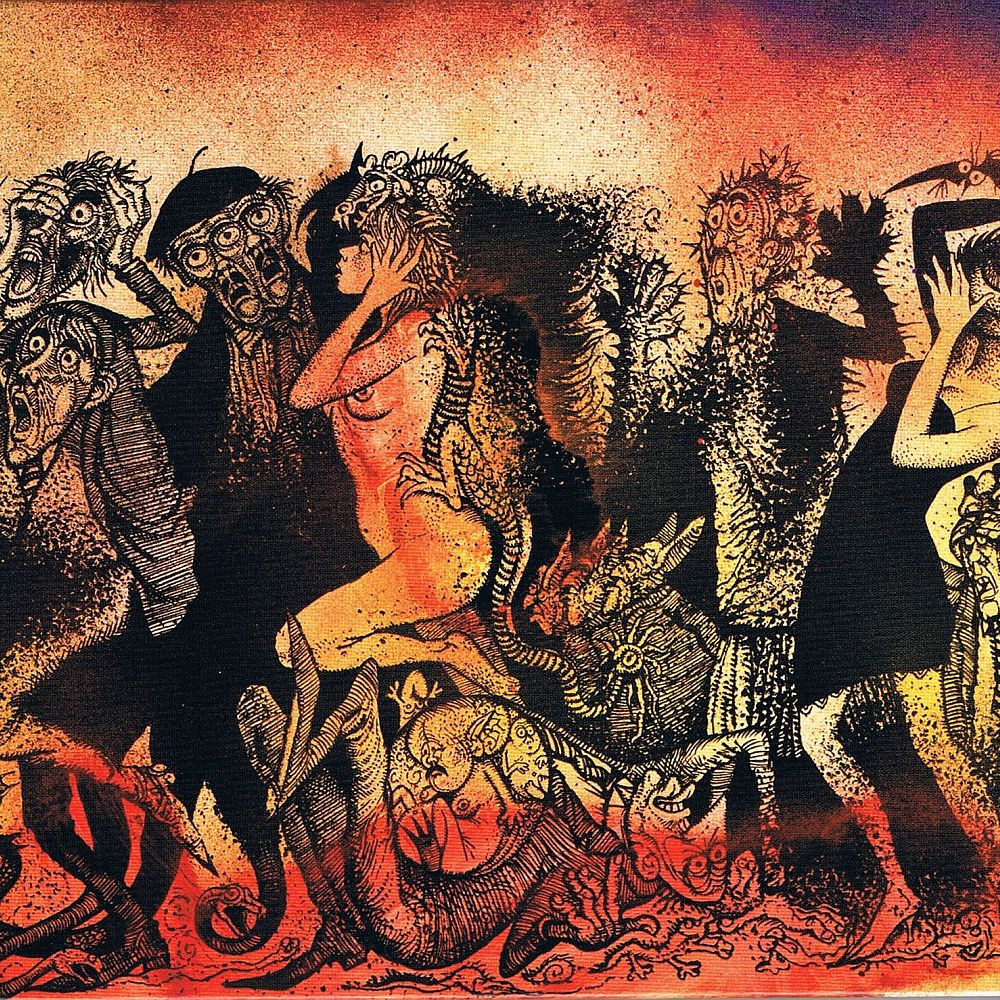
    Reverend Bizarre In the Rectory of the Bizarre Reverend Cover

    In the Rectory of the Bizarre Reverend is the first full length album by Finnish doomsters Reverend Bizarre. They draw heavily from doom metal pioneers Candlemass and most of the songs you’ll hear are upwards of 10 minutes with the exceptions being Burn in Hell and Doomsower, the latter of which is followed up by Cirith Ungol, the 21 minute monolithic conclusion to In the Rectory of the Bizarre Reverend.

    Reverend Bizarre have all of the hallmarks of the traditional doom metal sound; long songs with an atypical structure, sparse guitar plods, dramatic baritone singing, religious iconography and a guitar tone so thick that you can almost see it. Opener Burn in Hell has enough material to carry itself while establishing the consistent sound of Reverend Bizarre’s debut. Singer and bassist Sami Albert Hynninen (performing as Magister Albert) delivers one of the best lines of the album on this song, the spiteful “you bastards” that finishes the dirge.

    Unfortunately by the time you get to The Hour of Death, you’ll find the songs start to lack variety and substance as Reverend Bizarre force themselves to drag out the slow, distorted passages beyond what most people would consider reasonable and it feels like they are doing it for the sake of it. Cirith Ungol embodies all of these negative traits despite having some tasteful throwbacks to Black Sabbath’s self-titled song and Iron Man.

    Guitarist Kimi Karki (as Peter Vicar) and drummer Jari Pohjonen (as Earl of Void) kick the songs into gear between the guitar plods (as heard best on In the Rectory and Sodoma Sunrise) with some fantastic up-tempo guitar grooves, rapid drum fills and even an extended psychedelic guitar solo that will catch you off guard. The entirety of Doomsower is a curve ball in its own right. It is a brilliant hybrid of doom metal and stoner rock that is condensed into relatively short 5 minute blast. It shows exactly what the trio of Reverend Bizarre are capable of doing when they get straight to business without any of the filler material pointlessly jammed in there.

    When Reverend Bizarre can be bothered to play with feeling they have some serious content to offer and if they followed this routine for the other songs it would have improve the experience tenfold. The dragged out passages don’t have the desired effect of building a foreboding atmosphere and will instead leave you cold after listening for long enough. While Reverend Bizarre have a genuine passion for creating doom metal, they prove to be too ambitious for themselves on In the Rectory of the Bizarre Reverend so sparing a few glowing moments, this is an album that should be reserved for doom metal fanatics.
  • Various Artists Flowers Made of Snow Review

    Various Artists Flowers Made of Snow Review

    Artist: Various Artists
    Album: Flowers Made of Snow
    Genre(s): Ambient, Folk, Industrial, Neoclassical, Noise
    Subgenres(s): Dark Ambient, Martial Industrial, Neoclassical, Neofolk, Power Electronics
    Released: 2004
    Length: 55 minutes (CD 1), 63 minutes (CD 2)
    Language(s): English
    Label(s): Cold Meat Industries

    Track List (CD 1):

    01. Coph Nia – The Oath
    02. The Protagonist – The Sick Rose
    03. In Slaughter Natives – The Vulture
    04. Olen’k – Season of Tears
    05. All My Faith Lost – Sleep Now
    06. The Last Hour – Into Empty Depth
    07. Apatheia – Safehouse
    08. Ataraxia – Incabala
    09. Ordo Rosarius Equilibrio – Yesterday Brings But a Serpent of Ash
    10. Hexperos – The Warm Whisper of the Wind
    11. Sibelian – The Sin Eater
    12. Sanctum – Lie Low

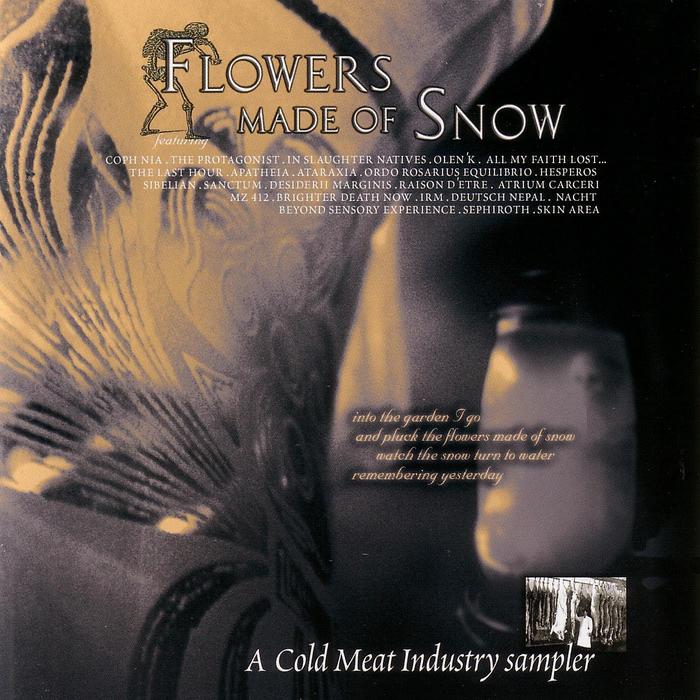
    Various Artists Flowers Made of Snow Cover

    Flowers Made of Snow is a Various Artists compilation by the Cold Meat Industry label. Presented as a sampler of the labels current artists, the compilation covers ambient, folk, industrial and noise music across 2 CDs and 23 different artists. The first CD focuses largely on the more accessible side of Cold Meat Industry with a diverse set of neofolk, martial industrial and neoclassical songs.

    The Oath by Coph Nia sets the tone with a dramatic spoken word performance. The lyrics act as a proclamation for Cold Meat Industries, which are seemingly the rejection of mainstream culture and more specifically the music associated with it. Ordo Rosarius Equilibrio is the only other martial industrial band featured on Flowers Made of Snow and while the subgenre is sadly underrepresented, together they show what can be offered in their brief but powerful presence.

    There are 3 neoclassical nightmares courtesy of The Protagonist, In Slaughter Natives and The Last Hour. The only thing to be said for certain of the neoclassical songs is that the performers are not happy people. Between the hushed murmurs, haunting soprano wails, tense violins and bleak ambiance, you’ll feel as though you’ve found yourself in the middle of someone else’s misery in these emotive pieces.

    Making up about half of the first CD is a set of groups playing neofolk music that at times sounds worlds apart from each other despite being under the same umbrella. All My Faith Lost and O’lenk play low key songs with female lead singers that don’t pull any punches. In contrast Hexperos follow suit until their song (The Warm Whisper of the Wind) is warped into another neoclassical nightmare akin to The Vulture by In Slaughter Natives.

    Apatheia and Ataraxia both perform uncharacteristically lively songs that are like reimagining’s of medieval folk music. They both have catchy acoustic guitars and more upbeat singing styles (the latter of which sounds like a cross between chanting, yodelling and opera singing) that evens out some of the tension present in many of the other songs.

    Sibelian takes influence from both the neoclassical and martial industrial camps for the 9 minute mini-epic The Sin Eater. Some elements of electronic music can be heard through the sound effects and (what sounds like programmed) drumming. This conceptually links to Lie Low by Sanctum, the final song on the first CD. It is a dissonant song belonging to the power electronics subgenre of noise music. It doesn’t fit in with the rest of the music found here and acts as a disturbingly unwelcome prelude to the second CD.

    The first CD in the Flowers Made of Snow compilation does an excellent job of showcasing what Cold Meat Industries and the fringe genres of martial industrial, neoclassical and neofolk have to offer if you can stomach melancholic music in this diverse and ever twisting compilation.

    Track List (CD 2):

    01. Desiderii Marginis – Where I End and You Begin
    02. Raison D’etre – Mouldering the Forlorn II
    03. Atrium Carceri – Impaled Butterfly
    04. Mz.412 – In Hoc Signe Vinces
    05. Brighter Death Now – While You Sleep
    06. IRM – My Mother
    07. Deutsch Nepal – Of Parasites and Disguises
    08. Nacht – Death Posture
    09. Beyond Sensory Experience – The Trade
    10. Sephiroth – Therasia
    11. Skin Area – Choose Art… Not Life

    The second CD of the Flowers Made of Snow compilation is in stark contrast to the first. It focuses exclusively on the subtle and the abrasive (and arguably hostile) side of Cold Meat Industries in the form of dark ambient and power electronics music.

    It starts out harmless enough with Where I End and You Begin by Desiderii Marginis, a dark ambient song fused with soft guitar distortion and what sounds like the slow, distant groans of a didgeridoo. Raison D’etre and Atrium Carceri carry on the dark ambient themes and almost link together to create an interesting 3 part song.

    Mz.412, Brighter Death Now and IRM are three noise groups that work together in the same way as the dark ambient trilogy do. Unfortunately these songs are on the opposite side of the musical spectrum and are grating enough to make blood ooze profusely from every orifice on your body. Thankfully Nacht and Skin Area are the only other 2 noise groups on the CD with Deutsch Nepal, Beyond Sensory Experience and Sephiroth stepping in between these seemingly unending harsh songs to offer some relief from the discomfort they cause.

    You could just as easily sit in a cement mixer and get someone to bash it with crowbar to achieve the same headache inducing effect that you get from the noise songs. The only difference is that you wouldn’t need to put up with the artistic pretence to get one.

    The coupling of these genres provides an excellent contrast in sound if nothing else. The dark ambient songs on the second CD of the Flowers Made of Snow compilation are certainly worth a listen if you have the patience for eerie soundscapes but the noise songs should be left well alone unless you are a masochist or hate yourself.

  • Lost Horizon A Flame to the Ground Beneath Review

    Lost Horizon A Flame to the Ground Beneath Review

    Artist: Lost Horizon
    Album: A Flame to the Ground Beneath
    Genre(s): Heavy Metal
    Subgenres(s): Power Metal, Progressive Metal
    Released: 2003
    Length: 53 minutes
    Language(s): English
    Label(s): Music for Nations

    Track List:

    01. Transdimensional Revelation
    02. Pure
    03. Lost in the Depths of Me
    04. Again Will the Fire Burn
    05. The Song of Earth
    06. Cry of a Restless Soul
    07. Think Not Forever
    08. Highlander (The One)
    09. Deliverance

    Lost Horizon A Flame to the Ground Beneath Cover

    A Flame to the Ground Beneath is the second and final album by Swedish metal outfit Lost Horizon. It is a direct continuation of the distinctively uplifting power metal/progressive metal sound that they developed on their first album, Awaken the World.

    The songs are longer than before and in keeping with the tradition of progressive music, they contain many verses that can flow easily from one to the next without necessarily having the need for a chorus. The saving grace Lost Horizon balances this out with is never getting wrapped up in taking their songs in a thousand and one directions while maintaining their triumphant sound and positive message about self-empowerment and free will over fate in their lyrics.

    Sadly, Lost Horizon still insists on including their ambient interludes which fail to leave a lasting impression. The introduction song, Transdimensional Revelation, is slow on the uptake and doesn’t give any indication as to what A Flame to the Ground Beneath is all about. However it does serve as an excellent buffer to the first metal song, Pure, and gives it a bigger impact when it kicks in seemingly out of nowhere (although it should be noted that like the other songs, it can speak for itself). The odd coupling of ambient interludes and heavy metal is by no means a bad concept but the execution is definitely in need of refinement.

    Both the bass and keyboard playing can be heard clearly enough but the bass still finds itself competing with the guitars and drums like it does in many other metal bands. The keyboard tends to find itself in a supporting role but has a few moments to bolster some songs such as Lost in the Depths of Me and Again the Fire Will Burn. It is also the only instrument on the mid-album interlude The Song of Earth, which pleasantly enough turns out to be a full song rather than misguided soundscaping.

    Much like Awaken the World, A Flame to the Ground Beneath is sung entirely in English and not being the bands native language, there are some mishaps with the lyrics that don’t flow exactly as they should do. On most occasions Daniel Heiman’s vocal range alone will distract you from this and more than makes up for it.

    One of the major highlights of A Flame to the Ground Beneath is Highlander (The One), a 12 minute epic that features some of Daniel Heiman’s most extravagant moments and with all the wailing he does, it would make you think that the entire song was written for him to push his voice to the limit. The last minute of the song is by far one of the best metal moments committed to a recording. Unfortunately A Flame to the Ground Beneath ends with the interlude Deliverance. This deals a significant blow to the flow of the album as it should have ended on Highlander (The One) to give you the massive triumphant feeling that Lost Horizon is all about.

    The songs (that go from 6 to 12 minutes) might sound daunting on first impressions but Lost Horizon have the musical chops to back up their ambitious goals and present another significant entry into the power metal/progressive metal catalogue with A Flame to the Ground Beneath.

  • Palms Palms Review

    Palms Palms Review

    Artist: Palms
    Album: Palms
    Genre(s): Rock
    Subgenres(s): Post Rock, Shoegazer
    Released: 2013
    Length: 47 minutes
    Language(s): English
    Label(s): Ipecac

    Track List:

    01. Future Warrior
    02. Patagonia
    03. Mission Sunset
    04. Shortwave Radio
    05. Tropics
    06. Arctic Handshake

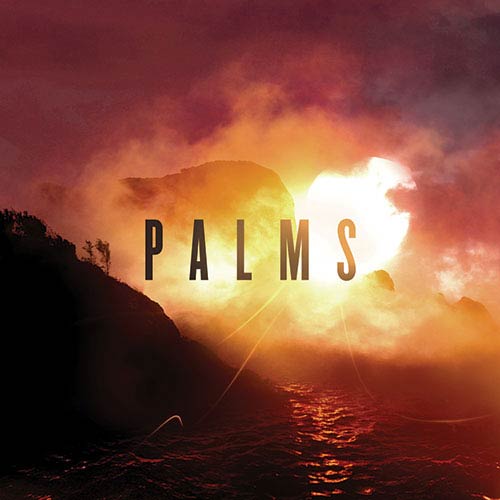
    Palms Palms Cover

    Palms is a post rock/shoegazer super group made up of Deftones singer Chino Moreno and 3 members of Isis. The first thing you’ll notice about all of the songs on their self-titled debut is that they all lack hooks and grooves to grab your attention. Instead they rely on lengthy guitar soundscapes that focuses heavily on layering shimmering clean guitar tones alongside their fuzzed out counterpart (that sometimes boarder on becoming blue noise) with Chino Moreno’s ethereal voice sitting comfortable in the middle of it all.

    Unfortunately the soundscaping that Palms indulges in also happens to be the major pitfall of the album. It becomes apparent early on that the songs lack definition and given that the song lengths average out at almost 8 minutes each, there is little variety and ever fewer memorable moments. This becomes frustrating when the songs sound like they are building up to something but then nothing significant happens, resulting in some rather lengthy songs that don’t appear to have any real momentum behind them.

    Sadly the album isn’t what it could have been and while Palms have a lot of style in their well-crafted ambience, they lack the substance in the song writing department that makes an album memorable and engaging. If you hear a single song from Palms then you’ve heard the rest of the album. Stronger song writing would have given it the potential to be a sonic masterpiece but the lack of variety is what holds Palms back.

  • Pokey LaFarge Pokey LaFarge Review

    Pokey LaFarge Pokey LaFarge Review

    Artist: Pokey LaFarge
    Album: Pokey LaFarge
    Genre(s): Folk
    Subgenres(s): Americana
    Released: 2013
    Length: 40 minutes
    Language(s): English
    Label(s): Third Man Records

    Track List:

    01. Central Time
    02. The Devil Ain’t Lazy
    03. What the Rain Will Bring
    04. Wontcha Please Don’t Do It
    05. One Town at a Time
    06. Kentucky Mae
    07. Bowlegged Woman
    08. City Summer Blues
    09. Day After Day
    10. Let’s Get Lost
    11. Close the Door
    12. Home Away from Home

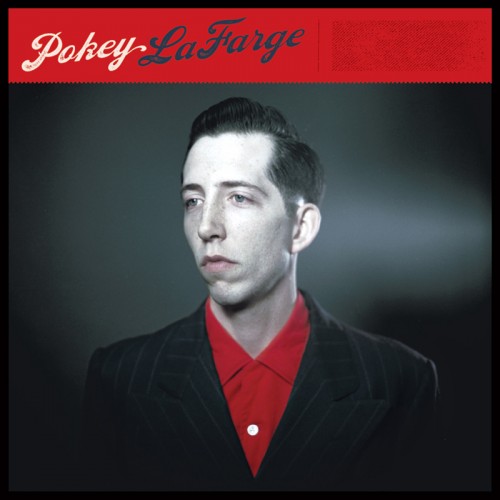
    Pokey LaFarge Pokey LaFarge Cover

    Folk musician Pokey LaFarge harkens back to the Americana sound of the early 20th century for his self-titled album. He wistfully mimics the sound of yesteryear with a cheery disposition that is packaged perfectly for a 21st century audience. The only tell-tale sign of Pokey LaFarge being a modern recording is the sound quality but aside from that you wouldn’t be any the wiser.

    The man himself takes on the role of lead singer, songwriter, lyricist and acoustic guitarist to bring his nostalgic old time sound into fruition. He has also enlisted a number of multi-instrumentalists to bring a wealth of variety and colour to his jaunty compositions. Some of the other instruments used include the harmonica, upright bass, violin, viola, cello, piano, clarinet, cornet and both male and female backing vocals.

    Influence from early jazz music can be heard on What the Rain Will Bring, Kentucky Mae, Day After Day and Home Away from Home. While they tend to be low key when compared to many of the other songs, they do feel like a natural extension of his Americana sound.

    The lyrics are written in a way that wouldn’t put them out of place in music from the 1950’s or before and this as this plays right into his musical narrative and brings his nostalgic sound full circle.

    Pokey LaFarge has been quoted saying that “American music is the tops” and if his own music is a good reflection of his influences then it is hard to disagree with this sentiment and you’ll find it impossible not to crack a smile while listening to him.

  • Peeping Tom Peeping Tom Review

    Peeping Tom Peeping Tom Review

    Artist: Peeping Tom
    Album: Peeping Tom
    Genre(s): Rap, Rock
    Subgenres(s): Rap Rock, Trip Hop, Trip Rock
    Released: 2006
    Length: 44 minutes
    Language(s): English
    Label(s): Ipecac Recordings

    Track List:

    01. Five Seconds
    02. Mojo
    03. Don’t Even Trip
    04. Getaway
    05. Your Neighborhood Spaceman
    06. Kill the DJ
    07. Caipirinha
    08. Celebrity Death Match
    09. How U Feelin?
    10. Sucker
    11. We’re Not Alone (Remix)

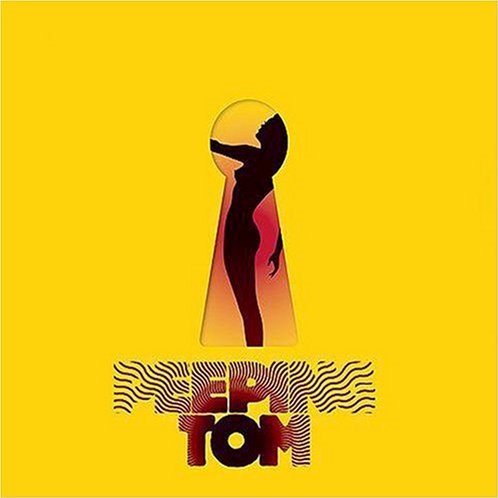
    Peeping Tom Peeping Tom Cover

    Peeping Tom is the debut album of Mike Patton’s rap rock music project of the same name. Put into motion in 2000, the album was recorded from then to 2006 and subsequently released that year. A wealth of guest performers and producers including Dan the Automator, Massive Attack, Kool Keith, Norah Jones and Rahzel amongst others are enlisted to bring a different sound to each song.

    As this is a pop album of sorts, Mike Patton and his collaborators embracing rap, rock and downtempo music that is then blended into a broad set of rap rock and trip hop/trip rock songs with mostly conventional song structures and fewer of the eccentricities associated with many of his other bands (namely Fantomas, Mr. Bungle and his collaborations with John Zorn).

    Some songs (Five Seconds, Mojo and We’re Not Alone) draw back to the rap rock sound of the late 1990s by alternating between rapping and singing to the well-established loud/quiet song structure dynamics. Thankfully the overblown angst ridden lyrics are out of the equation and this prevents it from becoming a pale imitation of the scene it draws inspiration from.

    Mike Patton is a flexible vocalist as his long, meandering career has proven time and time again. He puts on a strong performance for the rock-centric parts of the album and while he can rap and beat box, it’s evident that it is not his forte and the guest vocalists often outshine him in this element.

    Getaway, Your Neighborhood Spaceman, Celebrity Death Match and How U Feelin? favour a heavy helping of hip hop influences to balance out Peeping Tom’s sound while We’re Not Alone (Remix) is a brilliant summary of what Peeping Tom offers: hard guitar sounds, relaxed trip hop beats, diverse vocal performances and enough song progression to feed Mike Patton’s eccentric tendencies without alienating the listener.

    Mike Patton never loses track of what he set out to accomplish with Peeping Tom and while it is certainly not a jarring effort, the breadth of styles used do give the album plenty momentum and a real sense of unpredictability.

  • Ulver Perdition City Review

    Ulver Perdition City Review

    Artist: Ulver
    Album: Perdition City
    Genre(s): Electronic
    Subgenres(s): Trip Hop
    Released: 2000
    Length: 54 minutes
    Language(s): English
    Label(s): Jester Records

    Track List:

    01. Lost in Moments
    02. Porn Pieces or the Scars of Cold Kisses
    03. Hallways of Always
    04. Tomorrow Never Knows
    05. The Future Sound of Music
    06. We Are the Dead
    07. Dead City Centres
    08. Catalept
    09. Nowhere/Catastrophe

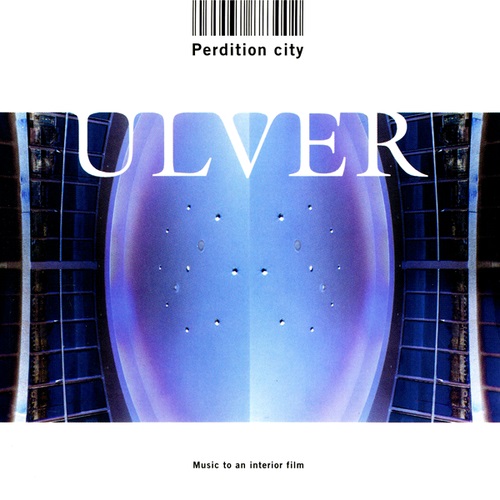
    Ulver Perdition City Cover

    Perdition City is the first full electronic album by genre hoppers Ulver. After dabbling with electronic music for their experimental album Themes from William Blake’s The Marriage of Heaven and Hell, they followed up with the aptly titled Metamorphosis in 1999 and a year later released Perdition City, the culmination of their musical progression.

    Ulver settled on trip hop to form the foundation of Perdition City and being the experimentalists that they are, they weren’t able to settle for a single sound and chose to incorporate elements of jazz music on certain songs that make for an interesting fusion of genres that work to the advantage of Perdition City.

    Unfortunately the knack Ulver has for experimenting goes awry with the introduction of We Are the Dead, a haunting dark ambient/spoken word song that spills over into Dead City Centres to make a 2 part song that ends with the audio of a fake film trailer. While not inherently bad on their own, they disrupt the flow of Perdition City and you’ll want to skip over them on future listens.

    Ulver then goes off at the deep end with Catalept, which is just a retitle of the song Prelude from the 1960 film Psycho with a simplistic drum beat slapped over the top. Much like the fake film trailer at the end of Dead City Centres, it is poor quality filler material and does nothing but hinder Perdition City.

    Thankfully The Future Sound of Music shows Ulver’s experimental tendencies moving in the right direction. It starts out as another unsuspecting trip hop song that suddenly explodes into an overdriven barrage of intense hammer-like percussion and warped noises. It lives up to its name and there is no other song on Perdition City or any other album that comes close to mimicking it.

    Ulver explored and even reinvented the trip hop sound in some instances on Perdition City. It is a shame that they never made a follow up trip hop album to refine and expand on this sound before moving onto another genre. They let the music do the talking for the most part and in doing so, they flow between rich and varied instrumental passages complemented by the jazz tinged moment that explore their introverted moods, or interior music as the albums subtitle allures to, in great depth.

  • Alice Cooper Trash Review

    Alice Cooper Trash Review

    Artist: Alice Cooper
    Album: Trash
    Genre(s): Rock
    Subgenres(s): Hard Rock
    Released: 1989
    Length: 40 minutes
    Language(s): English
    Label(s): Epic Records

    Track List:

    01. Poison
    02. Spark in the Dark
    03. House of Fire
    04. Why Trust You
    05. Only My Heart Talkin’
    06. Bed of Nails
    07. This Maniac’s in Love with You
    08. Trash
    09. Hell is Living Without You
    10. I’m Your Gun

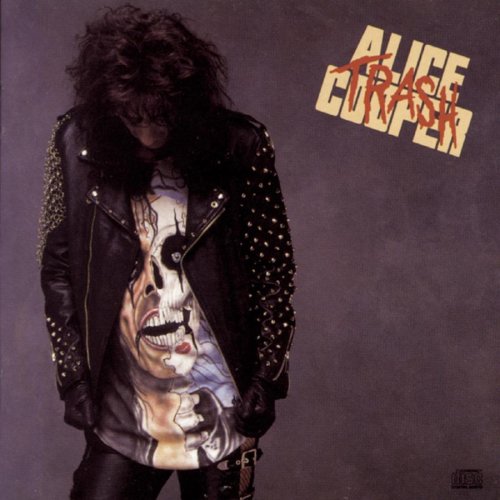
    Alice Cooper Trash Cover

    Alice Cooper returned to the throng of commercial success with Trash in 1989. This was his biggest selling album since the mid-1970s and it isn’t hard to see why. Alice Cooper cuts the fat to leave you with the best possible experience; 10 powerhouse rock anthems with a plethora of catchy guitar rhythms and infections sing-along hooks that are bound to snare your ears.

    He tackles 3 topics that more often than not make a pop sensation (sex, love and heart break) with a sleazy, tongue-in-cheek grin that will make you laugh and cringe simultaneously with his blunt refrains. Memorable lines go from “no one else gets as deep inside you as I do” (Bed of Nails) and “pull my trigger, I get bigger, then I’m lots of fun” (I’m Your Gun) to him portraying an obsessed stalker on This Maniac’s In Love With You.

    The 8 boisterous rock anthems are balanced out with Only My Heart Talkin’ and Hell is Living Without You, the 2 slightly more sincere power ballads in which his tone changes fittingly to deal with heart break. It’s worth mentioning that while sincere next to the rest of the album, Only My Heart Talkin’ descends into an incessant animal yelps as part of a long fade out that cues Alice Cooper to get back to what he excels at on Trash. Spark in the Dark takes a nod to Alice Cooper rejecting the use of hard drugs with the line “we don’t need cocaine” after overcoming his own addictions in the early 1980s.

    As far as the recording of Trash goes, it has a distinct 1980s sound to it complete with the era’s cheesy keyboard effects. Thankfully they are used subtly and are relegated to the background so when they come into play, they don’t have enough emphasis in any song to diminish its quality.

    Trash possesses all of the hallmarks of a great rock album. It will have you coming back for more time and time again with Alice Coopers sleazy lyrics delivered in a high energy performance across a small set of songs that never feel played out no matter how many times you listen to them.

  • The Darkness Christmas Time Don’t Let the Bells End Review

    The Darkness Christmas Time Don’t Let the Bells End Review

    Artist: The Darkness
    Album: Christmas Time (Don’t Let the Bells End)
    Genre(s): Rock
    Subgenres(s): Hard Rock
    Released: 2003
    Length: 7 minutes
    Language(s): English
    Label(s): Atlantic, Must Destroy

    Track List:

    01. Christmas Time (Don’t Let the Bells End)
    02. I Love You 5 Times

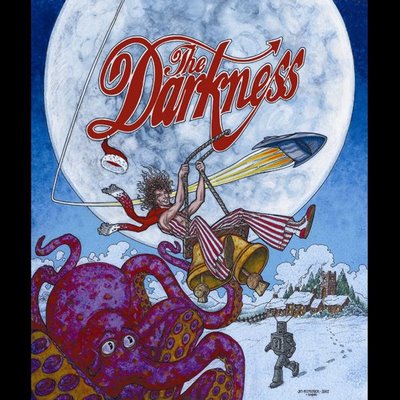
    Darkness Christmas Time (Don't Let The Bells End) Cover

    Christmas Time (Don’t Let the Bells End) is a festive EP by The Darkness in 2003 as a bid to grab the Christmas number 1 spot in the UK but landed second after losing out to the joyless Mad World by Gary Jules and Michael Andrews. The single was then featured as a bonus track on the rerelease of their debut album Permission to Land.

    Both songs are rife with the same cheeky humour found on their debut album and since there are only 2 short songs on this EP, The Darkness manages make it more obvious than ever on Christmas Time (Don’t Let the Bells End) by letting the double entendres loose to sing about “bells end” “ringing in peace” during the festive season. The song also features a children’s choir and ends with bells and chimes to give it that authentic Christmas feeling while referencing the title in a musical context this time.

    Justin Hawkins maintains his falsetto range and somehow restrains himself from his own flamboyant wailing only to let loose in a desperate plea to grab some attention from the choir when his own voice is buried by them on Christmas Time (Don’t Let the Bells End).

    I Love You 5 Times is a power ballad that is highlighted by its ridiculous lyrics in which Justin Hawkins confesses that “I watch as you spend an hour or two in the bath like a tuna” and “twice a week I take a peek as you bathe like a reptile”. If this wasn’t enough for you he purrs, moans along to the choppy guitar solo and ends the song with a kiss. The lyrics pull the ballad together and wouldn’t be the same without them whereas Christmas Time (Don’t Let the Bells End) is thoroughly enjoyable even if you are completely oblivious to the humour.

    The Darkness put a brilliant, cheeky twist on Christmas cheer by bringing a duo of genuinely jovial songs to the table instead of rehashing tired Christmas classics like countless others have done before.

  • Slayer Reign in Blood Review

    Slayer Reign in Blood Review

    Artist: Slayer
    Album: Reign in Blood
    Genre(s): Heavy Metal
    Subgenres(s): Thrash Metal
    Released: 1986
    Length: 29 minutes (35 with bonus tracks)
    Language(s): English
    Label(s): Def Jam Recordings

    Track List:

    01. Angel of Death
    02. Piece by Piece
    03. Necrophobic
    04. Altar of Sacrifice
    05. Jesus Saves
    06. Criminally Insane
    07. Reborn
    08. Epidemic
    09. Portmortem
    10. Raining Blood
    11. Aggressive Perfector (Bonus Track)
    12. Criminally Insane (Remix) (Bonus Track)

    Slayer Reign in Blood Cover

    Reign in Blood is the third album by thrash metal titans Slayer. Released in 1986, the recording is exceptionally clear for a time when figuring out how to record metal albums was coming out of its infancy. For comparison in sound quality you only need to look back to their 1985 album Hell Awaits to hear the difference. Acclaimed producer Rick Rubin is often cited for this and it contributed much to the success of Reign in Blood and its iconic status that it has attained over the subsequent decades.

    Slayer obviously took their punk rock influences to heart and upped the ante for thrash metal by pushing the subgenre to its limits and did so with categorical success. The original release of Reign in Blood is incredibly short. It is a relentless 29 minutes that showcases an odd disparity between Slayer’s savage song writing abilities and the sloppy guitar solos that get jammed in thoughtlessly and appear to be more of an afterthought than an integral part of any of their songs. Thankfully Dave Lombardo will distract you from this with his masterful drum work that parades throughout Reign in Blood and he never misses a chance to impress.

    Tom Araya’s vocal performance goes all the way from barely comprehendible splutters, snarls and high pitched screams to relatively even singing with a gruff slant to it. The lyrics were written by the guitarists Jeff Hanneman and Kerry King and deal with horror, gore and violence while touching on Satanism and death. While shocking for the time, these topics have since become standard fare for many thrash and death metal bands past and present.

    Reign in Blood is a single-minded barrage of aggro in short, snappy bursts that doesn’t leave any room to flex their artistic muscles in other sonic realms. Slayer used their unquenchable thirst to create volatile music and spurred them on to record an album that ultimately became not only a flag bearer for thrash metal but a forerunner of death metal as well.

    Link

  • Solitude Aeturnus Adagio Review

    Solitude Aeturnus Adagio Review

    Artist: Solitude Aeturnus
    Album: Adagio
    Genre(s): Heavy Metal
    Subgenres(s): Doom Metal
    Released: 1998
    Length: 63 minutes
    Language(s): English
    Label(s): Massacre Records

    Track List:

    01. My Endtime
    02. Days of Prayer
    03. Believe
    04. Never
    05. Idis
    06. Personal God
    07. Mental Pictures
    08. Insanity’s Circles
    09. The Fall
    10. Lament
    11. Empty Faith
    12. Spiral Descent
    13. Heaven and Hell (Black Sabbath Cover)

    Solitude Aeturnus Adagio Cover

    Adagio is the 5th album by American doom metal outfit Solitude Aeturnus. It stands firmly on the lighter side of the doom metal spectrum with tempos going from moderately paced (for a metal band) to the slower paces more commonly identified with the doom metal sound.

    Adagio starts out with the moody dark ambient introduction of My Endtime before Days of Prayer comes into get the album moving. It sounds promising enough but the 2 follow up songs, Believe and Never, are cut from the same cloth and fail to move Adagio forward. This is the major pitfall that the band faces and it becomes evident that Solitude Aeturnus don’t know which direction to take their songs despite having some good verses littered throughout the album.

    Solitude Aeturnus kick it up a notch for Idis and Empty Faith with more tempo shifts, a mix of clean and distorted guitar tones and singer Rob Lowe (whose voice suits this brand of doom and gloom particularly well) alternates between almost whispered lines and his powerful singing voice. The Fall gives some relief from the rehashed song structure by being a short and straightforward acoustic song before they quickly revert back to doom metal with the appropriately titled Lament.

    A cover of Heaven and Hell by Black Sabbath is used as the closer for Adagio. This forces them to adjust their approach and sees them steering away from familiar territory to bring much needed change to the album that lets it finish on a high note.

  • Candlemass Candlemass Review

    Candlemass Candlemass Review

    Artist: Candlemass
    Album: Candlemass
    Genre(s): Heavy Metal
    Subgenres(s): Heavy Metal, Doom Metal
    Released: 2005
    Length: 55 minutes (58 minutes with bonus material)
    Language(s): English
    Label(s): Nuclear Blast

    Track List:

    01. Black Dwarf
    02. Seven Silver Keys
    03. Assassin of the Light
    04. Copernicus
    05. The Man Who Fell from the Sky
    06. Witches
    07. Born in a Tank
    08. Spellbreaker
    09. The Day and the Night
    10. Mars and Volcanoes (Bonus Track)

    Candlemass Candlemass Cover

    Swedish doom metallers Candlemass return to form with their self-titled opus after 6 years and a brief hiatus. Candlemass also marks the return of singer Messiah Marcolin, who hasn’t recorded with the band since 1989s Tales of Creation and his voice remains as powerful as it was 16 years ago.

    The lyrics tend to deal with fantasy and mythological subjects without the flamboyance that normally accompany heavy metal bands. Many of the verses are vivid in their description of scenes that you could half expect to be part of a book rather than a song. At times the lyrics can be quite gothic in nature and this helps to keep the band in line with the doom metal ethos that they helped create.

    Candlemass does however breathe new life into their sound with founding member, bassist and sole songwriter Leif Edling expanding on the plodding doom metal framework that they pioneered in the 1980s. He achieves this by incorporating influences from traditional heavy metal that can be heard prominently on Black Dwarf, Witches, Born in a Tank and Mars and Volcanoes.

    The song lengths are just as varied and go from a little over 3 minutes (The Man Who Fell from The Sky) up to 9 minutes (The Day and the Night). This gives the band plenty of room to play through extended passages without adhering to a typical verse/chorus format but at the same time the songs remain highly structured and never veer off without purpose.

    Black Dwarf is uncharacteristic of the bands typical sound as it is incredibly up-tempo with a repetitive and infectious guitar hook that will immediately draw you into the album. The Man Who Fell from the Sky is one of the few instrumental songs Candlemass have done in their long career and while it follows a similar formula to Black Dwarf, it doesn’t have the same payoff when you expect Messiah Marcolin to burst out wailing but instead it simply continues to play on until it quickly fades to silence.

    The rest of Candlemass is rounded off with songs that lean heavily in favour of their doom metal niche. Ominous songs like Seven Silver Keys, Assassin of the Light and Spellbreaker show off their modernised doom metal sound exceptionally well. Copernicus almost comes to a complete stand still after a thundering introduction and along with Spellbreaker, it is one of the few songs to feature guitar solos in their lengthy compositions.

    It is not an overstatement to say that the self-titled effort from the Swedish doom metal pioneers is a triumphant return to form that will please old and new fans alike.

  • Stolen Babies There Be Squabbles Ahead Review

    Stolen Babies There Be Squabbles Ahead Review

    Artist: Stolen Babies
    Album: There Be Squabbles Ahead
    Genre(s): Rock
    Subgenres(s): Experimental Rock
    Released: 2006
    Length: 49 minutes
    Language(s): English
    Label(s): The End Records, No Comment Records

    Track List:

    01. Spill!
    02. Awful Fall
    03. Filistata
    04. A Year of Judges
    05. So Close
    06. Tablescrap
    07. Swint? Or Slude?
    08. Mind Your Eyes
    09. Lifeless
    10. Tall Tales
    11. Push Button
    12. Gathering Fingers
    13. The Button Has Been Pushed

    Stolen Babies There Be Squabbles Ahead Cover

    There Be Squabbles Ahead is the debut album of the genre bending Stolen Babies. The quartet manages to pair their unusual take on rock music with twisted circus-like sounds that move in many bizarre directions while featuring an alarming number of instruments. The more common ones being the accordion, organ and piano in addition to the standard bass, drum and guitar set up. Stolen Babies then go as far as using a glockenspiel, jaw harp, mandolin, sitar, marimba, tuba, trumpet, euphonium and a violin in a low-key capacity.

    The bulk of the singing duties are handled by Dominique Lenore Persi, whose abilities are as flexible as the music is. She goes from explosive rage (Spill, A Year of Judges and Tall Tales) through to singing (Lifeless), semi-spoken lines (Push Button) and a smattering of hissed whispers are thrown in the mix for good measures (So Close) but most songs have a combination of two or more styles in them.

    It’s hard to tell what you should expect on first hearing There Be Squabbles Ahead when Stolen Babies kicks it off with the volatile Spill before going onto the comparatively relaxed and bass driven Awful Fall. Filistata is the first song to feature the oddball circus music and from then on you will be subjected to any combination of this (much like the vocal performances).

    Stolen Babies break further away from their wayward format to feature dance-like rhythms with a heavy keyboard focus on So Close, the tragic Lifeless provides a much needed break from its antithesis Mind Your Eyes and The Button Has Been Pushed is abstract and sounds as though it belongs on a credit reel to a film from a far off land that only exists in the mind of the Stolen Babies band members.

    Most bands that purposefully try to stand so far apart from any of their contemporaries while using so many instruments would easily turn everything into an unfocused pile of auditory vomit. Stolen Babies are one of the rare exceptions. There Be Squabbles Ahead is well structured and thought out, with their collective vision coming through in their music to give the album (and band) a real identity of its own.

  • Fall of Icarus Endorphin Review

    Fall of Icarus Endorphin Review

    Artist: Fall of Icarus
    Album: Endorphin
    Genre(s): Electronic
    Subgenres(s): Dubstep
    Released: 2013
    Length: 17 minutes
    Language(s): English, German
    Label(s): N/A

    Track List:

    01. Filthy Souls
    02. Raining (Fall of Icarus Remix)
    03. Morphine
    04. Hellsing

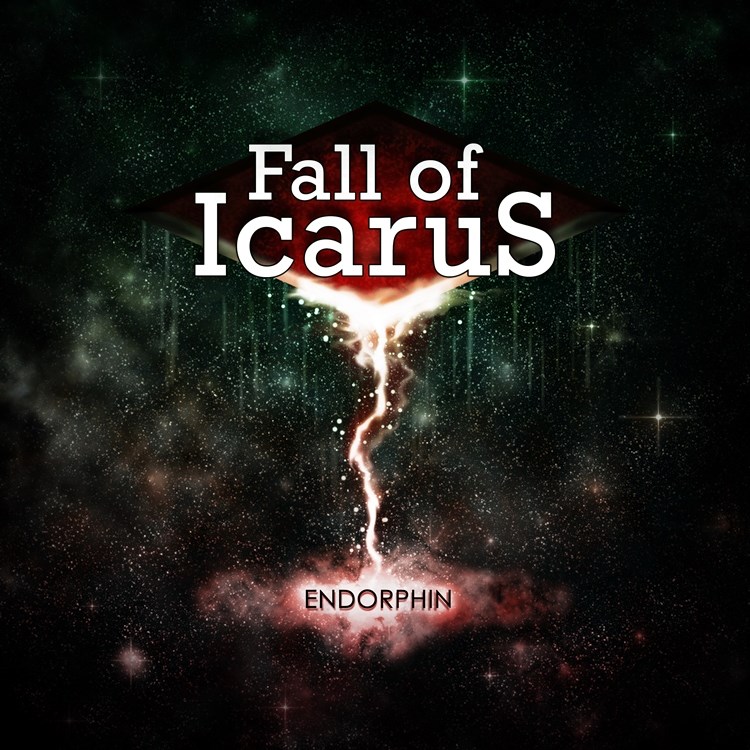
    Fall of Icarus Endorphin Cover

    Endorphin is a free EP by Austrian musician Fall of Icarus. In his 4 short songs he demonstrates his willingness to surf the dubstep tidal wave while avoiding being narrowly pigeonholed by borrowing elements of other genres to throw in his melting pot of ideas.

    The EP kicks off with Filthy Souls, taking its name and dialogue from the fictional film Angels with Filthy Souls from Home Alone and puts it against his music to create a short audio theatre introduction in a similar style to that used for Internet Friends by Knife Party. The soft natured Raining moves Fall of Icarus in a subdued direction with a singer to match before being replaced with jarring bass wobbles inspired by dubstep figurehead Skrillex.

    Like the 2 pervious songs, Morphine includes a number of samples from different sources but unlike the obscure and creative choice for Filthy Souls it brandishes chopped up and pitch shifted voices and a dog barking, something that didn’t work favourably on Pink Floyd’s Seamus either. Endorphin is brought to its conclusion with the claustrophobic atmosphere of Hellsing and enough chaotic bass noises to cause a sensory overload and crack a few of windows.

    Endorphin could have been streamlined by removing some unnecessary samples and sound effects but as far as EPs go in giving a quick demonstration of what a musician can do, Fall of Icarus manages to do just that. He is an aspiring young musician looking for his own direction but he has the means and drive to carve out a name for himself given more time.

  • The Gathering The West Pole Review

    The Gathering The West Pole Review

    Artist: The Gathering
    Album: The West Pole
    Genre(s): Rock
    Subgenres(s): Post Rock, Trip Rock
    Released: 2009
    Length: 54 minutes
    Language(s): English
    Label(s): Psychonaut

    Track List:

    01. When Trust Becomes Sound
    02. Treasure
    03. All You Are
    04. The West Pole
    05. No Bird Call
    06. Capital of Nowhere
    07. You Promised Me a Symphony
    08. Pale Traces
    09. No One Spoke
    10. A Constant Run

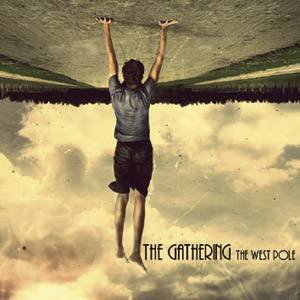
    The Gathering The West Pole Cover

    The West Pole is the first Gathering album since the departure of singer Anneke Van Giersbergen in 2007. She has since been replaced by Silje Wergeland (Octavia Sperati) and The Gathering deceptively approached The West Pole with the mentality of “new singer, new sound” with the misleading mammoth opener When Trust Becomes Sound.

    The song is an unexpected post rock number that continuously builds on itself before a questionable background megaphone ramble comes out of nowhere courtesy of guest singer Anne van den Hoogen. Thankfully the guitar buries the megaphone in a fashion most favourable and lets you enjoy the rest of the sterling craftsmanship that has gone into writing and performing it.

    After The Gathering waste time not introducing Silje Wergeland she makes a powerful introduction for herself on the even-tempered Treasure. Her performance should remove any doubt from long time Gathering fans that are sceptical of her being able to replace Anneke Van Giersbergen. She easily proves to be a suitable replacement while there are some noticeable similarities between them.

    The overly noisy side of The Gathering is short-lived and the mid-paced songs become the theme before they manage to take it down a few more notches beginning with the quelled No Bird Call up to and including Pale Traces, which throw back to the sombre ambience of their 2006 album Home.

    Unlike their previous trip rock albums, the distortion drenched guitar has been integrated into their sound to give them a new edge to work with, just not in the way you would expect from the opener. It has definitely push them forward and kept them from rehashing their existing sound and while it would have been exciting to hear The Gathering take on the post rock genre and weave their unique vision around it, The West Pole ends on a well-deserved high note.

  • Ohgr Devils in My Details Review

    Ohgr Devils in My Details Review

    Artist: Ohgr
    Album: Devils in My Details
    Genre(s): Industrial
    Subgenres(s): Electro-industrial
    Released: 2008
    Length: 42 minutes
    Language(s): English
    Label(s): Synthetic Symphony

    Track List:

    01. Shhh
    02. Eyecandy
    03. Three
    04. Feelin’ Chicken
    05. Pepper
    06. D.Angel
    07. Psychoreal
    08. Whitevan
    09. Timebomb
    10. Smogharp
    11. Witness

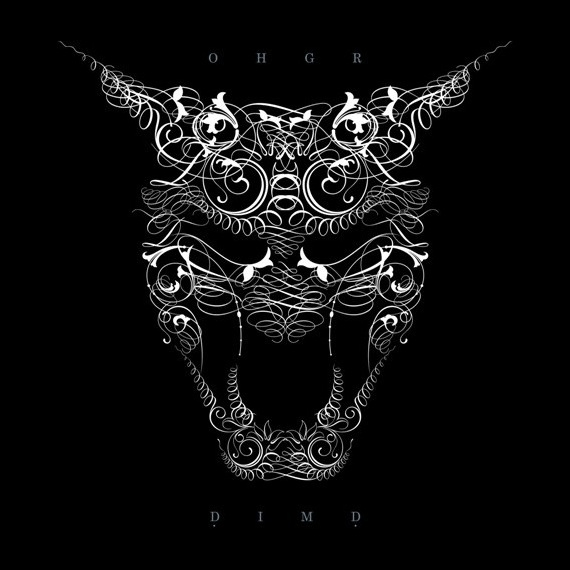
    Ohgr Devils in My Details Cover

    Devils in My Details is the third album by industrial act Ohgr. After 5 years the duo of Nivek Ogre and Mark Walk return with something unlike anything else in the industrial scene, or elsewhere for that matter. Devils in My Details is a concoction of aggressive marching drums, noise, extensive sound processing and demented vocalisations that have all been mixed into 1 bizarre auditory cocktail.

    Actor Bill Mosley finds himself being dragged into the middle of this otherworldly album to perform disenchanted spoken word verses of his own design on songs 4, 7, 9, 10 and 11 while being the most human sounding part of the entire album.

    Several songs are linked together with short interludes that grow out of the ever changing soundscapes to create longer, multipart songs. You will find this makes it much easier to find individual parts to listen to, which can be a problem with lengthy songs written by other artists. The only drawback to this is that you will feel like you’ve started listening to a song from the middle instead of the beginning if you do this.

    Ohgr changes faces many times on Devils in My Details and never stays in a single place for long. This makes it impossible to get a clear picture of what the album is about from hearing a single song and is best experienced as the sum of its parts rather than individual pieces.

    Devils in My Details is as unconventional as it is difficult to digest if you’re unacquainted with industrial music. The scope of vision and creativity used to create Devils in My Details is particularly wide and sounds like nothing else past or present. It is essential listening for industrial enthusiasts and anyone willing to experience something that takes more than a few steps outside the box.

  • Rob Zombie Hellbilly Deluxe Review

    Rob Zombie Hellbilly Deluxe Review

    Artist: Rob Zombie
    Album: Hellbilly Deluxe
    Genre(s): Nu Metal
    Subgenres(s): N/A
    Released: 1998
    Length: 38 minutes
    Language(s): English
    Label(s): Geffen Records

    Track List:

    01. Call of the Zombie
    02. Superbeast
    03. Dragula
    04. Living Dead Girl
    05. Perversion 99
    06. Demonoid Phenomenon
    07. Spookshow Baby
    08. How to Make a Monster
    09. Meet the Creeper
    10. The Ballad of Resurrection Joe and Rosa Whore
    11. What Lurks on Channel X?
    12. Return of the Phantom Stranger
    13. The Beginning of the End

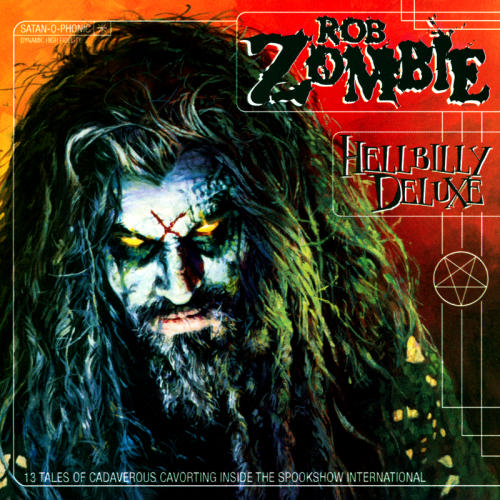
    Rob Zombie Hellbilly Deluxe Cover

    Hellbilly Deluxe is the first album that Rob Zombie recorded as a solo artist. Released the same year as his heavy metal band White Zombie disbanded, Hellbilly Deluxe serves as a spiritual successor to White Zombie’s final album, Astro Creep: 2000, but in many ways it is something entirely new.

    Abandoning the groove metal sound of White Zombies last 2 albums, Rob Zombie gravitated towards nu metal still with an emphasis on strong groove laden songs and samples of horror film dialogue with his own lyrics revolve around the same themes as well as offbeat characters and concepts of his own creation.

    Rob Zombie manages to cling onto his distinct gravelly voice while showing a massive improvement in his singing abilities. He sings clearly enough to be heard throughout most songs and no longer sounds like he’s straining himself anymore. At other times he takes to an almost spoken word delivery on Living Dead Girl, The Ballad of Resurrection Joe and Rosa Whore, and Return of the Phantom Stranger.

    Song-writing has flourished in a lot of new ways while each song is generally shorter and has a more clearly produced sound. After the creepy samples that make up Call of the Zombie he cuts to the heart of Hellbilly Deluxe; adrenaline pumping horror rock anthems tinged with an assortment of odd noises and all the other ingredients you’d expect to hear in a b-list horror film.

    The other, more arguably artistic side of Rob Zombie crawls through on the spooky soundscape work of Perversion 99 while How to Make a Monster is a seemingly intentional lo-fi rocker that sounds as though it was recorded in a basement with the microphones in another room. The supernatural monster shenanigans come to a bizarre finish with The Beginning of the End, a noise song that is riddled with several layers of unidentifiable sounds that swirl around uncomfortably.

    While some parts of Hellbilly Deluxe are comparable to White Zombies later output, it’s important to remember that Rob Zombie has moved beyond what White Zombie was and has gone onto carve out a far more ambitious and creative solo career with Hellbilly Deluxe.

  • Storm Corrosion Storm Corrosion Review

    Storm Corrosion Storm Corrosion Review

    Artist: Storm Corrosion
    Album: Storm Corrosion
    Genre(s): Ambient, Folk, Rock
    Subgenres(s): Dark Ambient, Progressive Rock, Psychedelic Folk
    Released: 2012
    Length: 48 minutes
    Language(s): English
    Label(s): Roadrunner

    Track List:

    01. Drag Ropes
    02. Storm Corrosion
    03. Hag
    04. Happy
    05. Lock Howl
    06. Ljudet Innan

    Storm Corrosion Storm Corrosion Cover

    Storm Corrosion is the long awaited collaborative project between progressive rock/metal stars Steven Wilson (Porcupine Tree, solo) and Michael Akerfeldt (Opeth). Given the background of these 2 prolific musicians you would think that you would have some inkling as to what Storm Corrosion would turn out like but the results are much more unexpected than you’d think. As with a lot of Steven Wilson’s output in the last few years, the music is brooding and dark sounding without strictly sounding like anything either musician has put forward before.

    There are only 6 songs on Storm Corrosion and together they manage to make up a little bit more than the average length of an album. Drag Ropes, Storm Corrosion and Ljudet Innan all clock in at around 10 minutes each and like most of the album, they work around the same tired format; soft guitar lines that keep the rhythm, dark keyboard atmospheres, sparse and infrequent percussion and unstrained singing from both halves of Storm Corrosion.

    Half way through Hag you’ll be treated to a short burst of distorted guitar noise and frenzied drum rolls with plenty of sharp clashes on the cymbals thrown in in an effort to keep your attention and break up the monotony. Lock Howl is the only song with steady use of percussion and while remaining well within the duos ominous criteria, it manages to wake the listener from their slumber before abruptly stopping once they realise that they are in danger of playing something that might be memorable.

    Unlimited artistic freedom isn’t a bad thing in and of itself but when 2 of the current progressive rock/metal scene figureheads get together and produce an album with maybe 20 minutes of material worth hearing you know that something hasn’t hit the marker.

  • Against All Authority The Restoration of Chaos and Order Review

    Against All Authority The Restoration of Chaos and Order Review

    Artist: Against All Authority
    Album: The Restoration of Chaos and Order
    Genre(s): Rock
    Subgenres(s): Hardcore Punk, Punk Rock
    Released: 2006
    Length: 38 minutes
    Language(s): English
    Label(s): Hopeless Records

    Track List:

    01. The Restoration of Chaos and Order
    02. Sweet Televised Destruction
    03. All Ages Show Tonight
    04. Collection Scars
    05. Radio Waves
    06. Silence is Golden But Duct Tape is Silver
    07. Shut it Down
    08. Sunshine Fist Magnet
    09. I Just Wanna Start a Circle Pit
    10. War Machine Breakdown
    11. Grinding My Life Away
    12. The Production of Self Destruction
    13. Buried Alive
    14. Best Enemies

    Against All Authority The Restoration of Chaos and Order Cover

    The Restoration of Chaos and Order is the final album by punk rockers Against All Authority. The band has shed off almost all of their former ska punk influences with the exception of a handful of ska rhythms and a trumpet on Radio Waves and Best Enemies whereas some of their older material made use of a larger brass section consisting of a trumpet, trombone and saxophone.

    Against All Authority are still as furious as ever and with the removal of almost all of the ska punk influences they have decided to stick to what they know and struck a fantastic balance of straight ahead punk rock and the more aggressive hardcore punk sound that they slip in and out of with little effort.

    Danny Lore’s has improved on his vocal performance a fair bit since the release of their previous studio album Nothing New for Trash Like You in 2001. He still sings in a familiar throaty voice but he is much easier to understand and the band has a way of getting you to pay attention to what he has to say over everything.

    The lyrics tend to focus on social/political commentary, the highs and lows of life as well as more specific subjects like the murder of Brian Deneke on Sunshine Fist Magnet and what the spirit of the punk rock scene is supposed to be on Shut it Down.

    Against All Authority broke up in 2007, ending their 15 year run on a high note and truly showing how far you can stretch 3 chords and 6 strings without throwing in a single piece of redundant material.

  • Chase and Status No More Idols Review

    Chase and Status No More Idols Review

    Artist: Chase and Status
    Album: No More Idols
    Genre(s): Electronic, Hip Hop
    Subgenres(s): Drum and Bass, Dubstep, Grime
    Released: 2011
    Length: 59 minutes
    Language(s): English
    Label(s): Mercury, Vertigo

    Track List:

    01. No Problem
    02. Fire in Your Eyes (feat. Maverick Sabre)
    03. Let You Go (feat. Mali)
    04. Blind Faith (feat. Liam Bailey)
    05. Fool Yourself (feat. Plan B & Rage)
    06. Hypest Hype (feat. Tempa T)
    07. Hitz (feat. Tinie Tempah)
    08. Heavy (vs. Dizzee Rascal)
    09. Brixton Briefcase (feat. Cee-Lo Green)
    10. Hocus Pocus
    11. Flashing Lights (with Sub Focus feat. Takura)
    12. Embrace (feat. White Lies)
    13. Time (feat. Delilah)
    14. Midnight Caller (feat. Clare Maguire)
    15. End Credits (feat. Plan B)

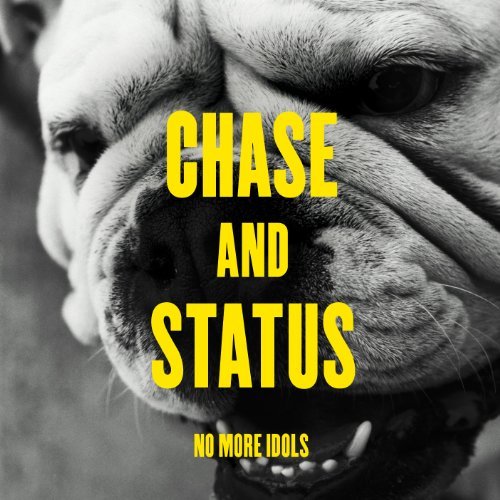
    Chase and Status No More Idols Cover

    No More Idols is the second album by British duo Chase and Status. For almost every song they have enlisted a different singer, which is a good way to draw some attention to themselves with the likes of Plan B, Cee-Lo Green and Dizzee Rascal all making appearances but this ultimately backfires and makes No More Idols sounds like a compilation rather than an original studio album.

    Each song sounds like it was written specifically with the singer in mind, turning No More Idols into a commercialised portfolio for Chase and Status to show off their creative muscles by jumping between drum and bass, dubstep and hip hop to display their versatility as producers. The songs have been roughly arranged into 3 different styles; starting out with dance orientated songs that transition into the rap inspired portion of the album before tailing off into some quieter, ballad-esque songs as the album winds down.

    As individual songs they are accessible to a wide audience but when they are put together to form a whole album it immediately turns into a disjointed collection that lost focus the moment producers Chase and Status enlisted an all-star cast to front their efforts.