Category: Music

  • Ulver Nattens Madrigal – Aatte Hymne Til Ulven I Manden Review

    Preview in new tab

    General Information:

    Artist: Ulver
    Album: Nattens Madrigal – Aatte Hymne Til Ulven I Manden
    Genre(s): Heavy Metal
    Subgenre(s): Black Metal
    Released: 1997
    Length: 44 minutes
    Language(s): Dano-Norwegian
    Label(s): Century Media

    Track List:

    01. Hymne I: Wolf and Fear
    02. Hymne II: Wolf and the Devil
    03. Hymne III: Wolf and Hatred
    04. Hymne IV: Wolf and Man
    05. Hymne V: Wolf and the Moon
    06. Hymne VI: Wolf and Passion
    07. Hymne VII: Wolf and Destiny
    08. Hymne VIII: Wolf and the Night

    Note: Some versions of this album only use the roman numerals shown above for the track list so track 1 is “I” and track 8 is “VIII” etc.
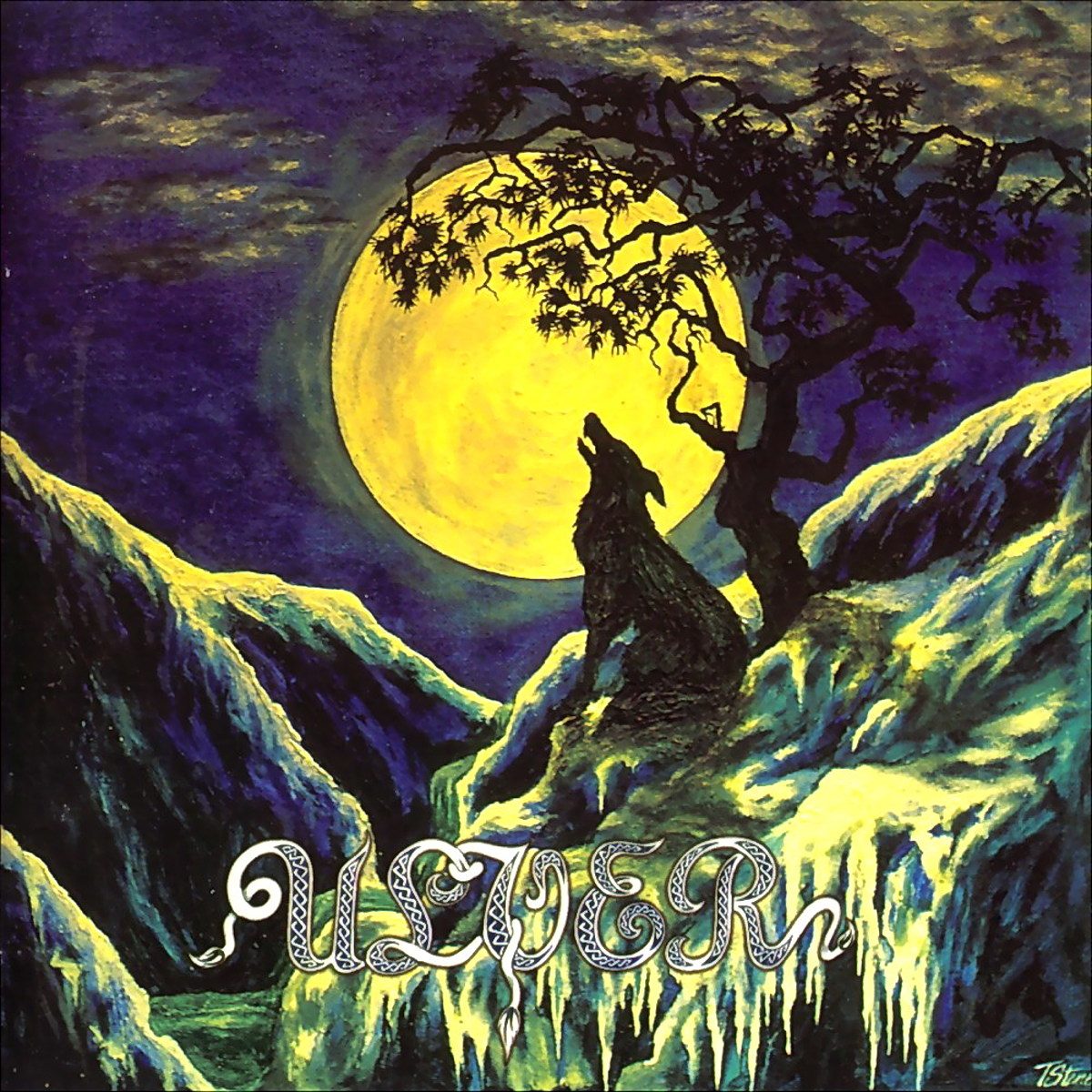
    Ulver Nattens Madrigal - Aatte Hymne Til Ulven I Manden Cover
    Ulver Nattens Madrigal – Aatte Hymne Til Ulven I Manden Cover

    Ulver Nattens Madrigal – Aatte Hymne Til Ulven I Manden Review

    Nattens Madrigal – Aatte Hymne Til Ulven I Manden, meaning “Madrigal of the Night – Eight Hymns to the Wolf in Man”, is the third album by Norwegian band Ulver. Bergtatt, their debut album, was a softer form of black metal with some influences from folk music, so Ulver proceeded to distil their hybrid sound into the original genres. The results of this are the neofolk sound on their second album, Kveldssanger, and their adherence to “raw” (read: under-produced) black metal here.

    The reasoning behind this under-produced album is supposed to be an intentional backlash against the growing popularity of black metal and bigger record labels signing the bands. The irony here is that Ulver moved from a small label, Head Not Found, to Century Media which already had a slew of success throughout the 1990s with Demolition Hammer, Iced Earth, Moonspell, Nevermore and then the City album by Strapping Young Lad that was released approximately 3 weeks before Nattens Madrigal.

    Unlike their previous two albums Nattens Madrigal is entirely undercooked as far as the recording goes. As a consequence the guitars sound like an angry swarm of bees, the drums patter away without any impact and the bass is an afterthought at best. Aside from a short acoustic interlude on track 1 and some even shorter ambient moments used to bridge certain songs together, there is nothing memorable or redeemable about this release.

    If there is anything worthwhile under all the noise it is forever lost on the intentionally-made mess that black metal fans tend to sing the praises of – which it certainly does not deserve – and there is no hint of irony. For anyone outside of this musical circle the mythical status Nattens Madrigal has achieved will forever be lost on them.

    If you didn’t have tinnitus before hearing Nattens Madrigal you certainly will after.

    https://www.youtube.com/watch?v=onFnt7JXMjQ

    Performers:

    Kristoffer “Garm” Rygg: Vocals
    Havard “Haavard” Jorgensen: Guitar
    Torbjorn “Aismal” Pedersen: Guitar
    Hugh “Skoll” Stephen James Mingay: Bass
    Eric “Aiwarikiar” Olivier Lancelot: Drums

    External Links:

    Ulver Homepage
    Ulver on Wikipedia
    Nattens Madrigal – Aatte Hymne Til Ulven I Manden on Wikipedia
  • Ulver Bergtatt – Et eeventyr i 5 capitler Review

    General Information:

    Artist: Ulver
    Album: Bergtatt – Et eeventyr i 5 capitler
    Genre(s): Heavy Metal
    Subgenre(s): Black Metal
    Released: 1995
    Length: 34 minutes
    Language(s): Dano-Norwegian
    Label(s): Head Not Found

    Track List:

    01. Capitel I: I Troldskog Faren Vild
    02. Capitel II: Soelen Gaaer Bag Aase Need
    03. Capitel III: Graablick Blev Hun Vaer
    04. Capitel IV: Een Stemme Locker
    05. Capitel V: Bergtatt – Ind I Fjeldkamrene

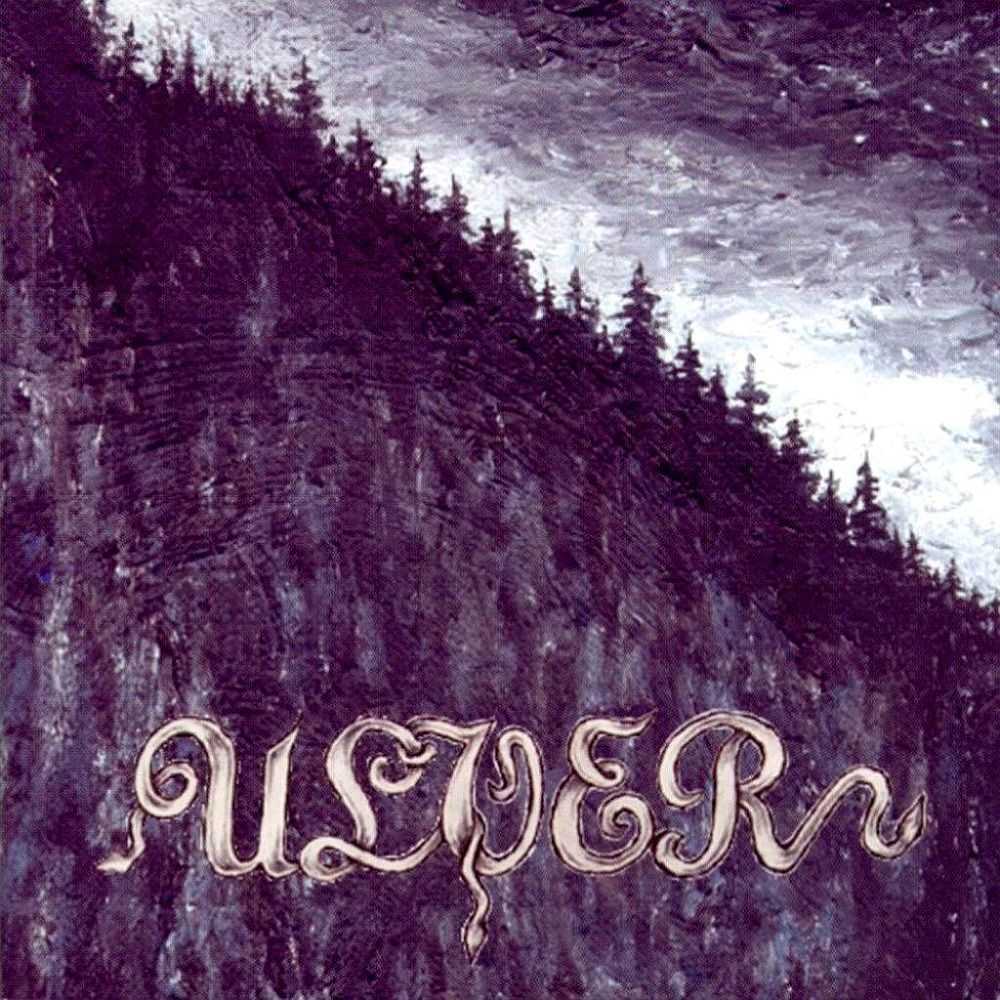
    Ulver Bergtatt - Et eeventyr i 5 capitler Cover
    Ulver Bergtatt – Et eeventyr i 5 capitler Cover

    Ulver Bergtatt – Et eeventyr i 5 capitler Review

    Bergtatt – Et eeventyr i 5 capitler, meaning “Spellbound – A Fairy Tale in 5 Chapters”, is the debut album of Norwegian band Ulver. Bergtatt is an irregular album within the second wave of black metal in that it shows a young band embracing a then still-new and growing subgenre of music while melding it with outside influences, ultimately running contrary to the trends and conventions of the scene. This album would later proved to be a front runner for the fusion genre of blackgaze – an unorthodox hybrid of black metal and the shoegaze subgenre of rock music – which emerged a decade or so later.

    Translated into English as “Lost in the Dark Forest” the first song, or chapter as per the format used in the song titles, presents the listener with one of the most accessible black metal songs of the album’s era. The young singer and lyricist Kristoffer Rygg, known by the pseudonym “Garm” at this time, has a light voice that sounds as though he is gently calling out through the distortion like a person’s figure emerging from the mist as they approach you.

    With any knowledge of black metal you would expect him to turn into a shrieking harpy as the song mutates into a frenzy of wrathful black metal dominated by overbearing blast beats from drummer Erik Olivier Lancelot. Somehow this never happens and the listener is only snapped out of the hazy, distortion-induced trance by the sudden transition to an acoustic guitar interlude nearly 6 minutes in. As good as the performance is, the transition to this is jarring to the point of upsetting the flow of the song. However, the transition back to black metal is well-executed and the electric guitar lead playing to the conclusion of the song is both tasteful and memorable.

    It does not take long to recognise that Bergtatt was created from a black metal foundation and punctuated with outside influences. Most notably this outside influence comes from folk music. It often comes in the form of interludes but there are longer segments in other chapters. Flautist Lill Kathrine Stensrud gives her talents to Chapter 2 to create a pastoral feel when mixed with the acoustic guitar and this song somehow ends with a short and gentle acapella outro. She also performs backing vocals on Chapter 4 which sees Ulver playing a straight hand throughout this piece. Ulver fully realise their folk tendencies here and it makes for a standout moment on Bergtatt but some black metal enthusiasts might find this piece wanting.

    The preceding Chapter 3 leans heavily into black metal but bassist Hugh Mingay still remains prominent in the mix. He adds a certain moody atmosphere through the use of a slow and hypnotic hook and Ulver adds a sample of a gunshot, which rings out in the middle of all this, just in case there isn’t already enough chaos blasting out your speakers.

    Following another uneasy transition, which could have been compelling if it was developed further, the frantic black metal changes into an up-tempo acoustic segment. Later there is another sample but this time of the footsteps of someone stumbling through a forest for a good minute. Thematically it follows the narrative of the lyrics and has a somewhat cinematic quality to it when mixed it in with the piano piece courtesy of Steinar Sverd Johnsen (Arcturus) but it only takes away from his playing but the sample goes on for far too long.

    Chapter 5 is the finale to Bergtatt and it continues the fusion that listeners will be well acquainted with by this point. When the song fades out with some sound effects, it is briefly revived for another acoustic outro. However, given how quiet it gets for a few seconds it almost comes across as a separate song. This further demonstrates that these contrasting genres are not always melded together as skilfully one might wish even if Ulver are proficient with both on their own.

    Ulver have never been a band to be pigeonholed, even when looking back on the very beginning of their career, and their willingness to unapologetically experiment and follow their own guiding star allowed them to be true to their own artistic vision and create their own niche in or outside of any music scene.

    Performers:

    Kristoffer “Garm” Rygg: Vocals
    Havard “Haavard” Jorgensen: Guitar
    Torbjorn “Aismal” Pedersen: Guitar
    Hugh “Skoll” Stephen James Mingay: Bass
    Eric “Aiwarikiar” Olivier Lancelot: Drums

    Additional Musicians:

    Lill Kathrine Stensrud: Backing Vocals, Flute
    Steinar Sverd Johnsen: Piano

    External Links:

    Ulver Homepage
    Ulver on Wikipedia
    Bergtatt – Et eeventyr i 5 capitler on Wikipedia

  • Queen Greatest Hits (UK Version) Review

    General Information:

    Artist: Queen
    Album: Greatest Hits (UK Version)
    Genre(s): Rock
    Subgenre(s): Art Rock, Progressive Rock
    Released: 1981
    Length: 58 minutes
    Language(s): English
    Label(s): EMI, Parlophone Records, Hollywood Records

    Track List:

    01. Bohemian Rhapsody
    02. Another One Bites the Dust
    03. Killer Queen
    04. Fat Bottomed Girls
    05. Bicycle Race
    06. You’re My Best Friend
    07. Don’t Stop Me Now
    08. Save Me
    09. Crazy Little Thing Called Love
    10. Somebody to Love
    11. Now I’m Here
    12. Good Old-Fashioned Lover Boy
    13. Play the Game
    14. Flash
    15. Seven Seas of Rhye
    16. We Will Rock You
    17. We Are the Champions

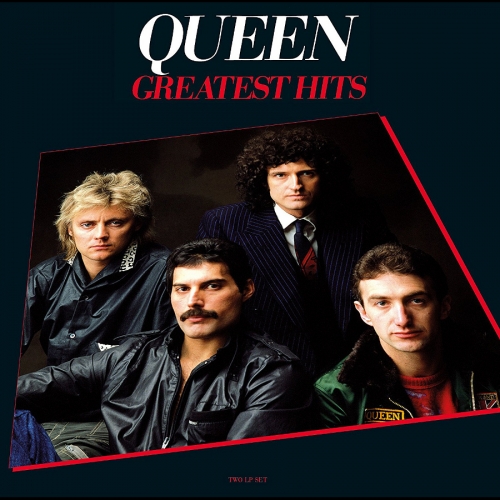
    Queen Greatest Hits UK Version Cover
    Queen Greatest Hits UK Version Cover

    Queen Greatest Hits (UK Version) Review

    Greatest Hits is the first compilation and ‘best of’ album from iconic British rock band Queen. Released in different regions with slightly altered track listings, there isn’t a strictly definitive version of the compilation. The UK version features at least one song from every album from Queen II (1974) through to the Flash Gordon film soundtrack (1980).

    Bohemian Rhapsody is the opening track and was Queen’s first and only number one UK single (1975) when Greatest Hits was released. One would not expect lyrics about committing a murder (Mama, just killed a man/Put a gun against his head/Pulled my trigger, now he’s dead) being executed via the electric chair (Thunderbolt and lightning/Very, very frightening me) and then sent to hell (Beelzebub has a devil put aside for me) to be part of the package.

    Coming from a progressive rock background where song-writing sensibilities demand musical boundaries to be pushed, they are effortlessly married to pop accessibility and rounded off with a flamboyant exuberance rarely found elsewhere. Most notably this is found in the operatic segment of Bohemian Rhapsody, where the nonsense lyrics are spliced between the narrative just for the sake of doing so it seems. The song also lacks a chorus which makes it even more of an oddity in pop music and, yet, this unlikely single became one of the most easily recognised songs in British pop culture.

    Considering that there are songs from 8 different releases on Greatest Hits, and noting Queen’s lack of inhibition when it came to crafting their sound, it should be of no surprise that the songs do not always flow from one to the next effortlessly. What is more remarkable is that everything featured here was released in a short period of 6 years.

    After Bohemian Rhapsody the listener suddenly finds themselves a world apart in the mind numbingly repetitive bass hook from funk rock hit Another One Bites the Dust. More twists and turns ensue with the jovial piano-driven Killer Queen about a call girl and the sentimental You’re My Best Friend was written by bassist John Deacon for his wife. The centre piece of Greatest Hits is the infectious rock ‘n’ roll of Crazy Little Thing Called Love featuring hand claps, an acoustic guitar and Freddie Mercury’s Elvis-inspired performance but the bass is the underlying source of the momentum here. Jumping from that to the gospel arrangement on Somebody to Love or the jaunty nature of Good Old-Fashioned Lover Boy lacks even the pretence of consistency.

    Greatest Hits is concluded with the two iconic anthems from News of the World; We Will Rock You and We Are the Champions. Often cited as a rock anthem, We Will Rock You is actually devoid of rock music entirely until Brian May’s guitar solo at the end. The rest of the song is made up of the instantly recognisable stomp/stomp/clap body percussion arrangement.

    Immediately beyond the realm of a Spartan approach to music, Queen offers an absolute gourmet of songs that are loosely ordered into two halves as the best way to present the eclectic collection. The first is mostly material from Night at the Opera and Jazz whereas the second is divided evenly between Day at the Races, News of the World, Queen II and the ‘Flash’ theme song. Both halves have one song from Sheer Heart Attack and two from The Game, which produced four charting singles from 1979 and 1980, along with ‘Flash’ from the aforementioned film soundtrack.

    Releasing this compilation at such a prosperous time for Queen must have played a big part in not only to the success of Greatest Hits as a business and marketing opportunity, but also in immortalising their contributions to music. Going on to sell over 25 million copies globally, it is one of the best-selling albums of all time and the best-selling album in their home country with 6.3 million copies sold to date.

    For all the inconsistencies one could imagine finding on a compilation album, due to the nature of the format more than anything else, it isn’t necessarily the easiest thing to listen to all the way through. It will give newcomers a good oversight into the first half of Queen’s career and from there, a course can be plotted to specific albums based on any preference they find.

    Ultimately, the flamboyant personality embodied by Queen combined with their immense creativity exemplifies what has made them endure as strongly as they have while attracting listeners, both new and old, to this day.

    Performers:

    Freddie Mercury: Lead vocals, piano, finger snaps, bicycle bells, handclaps, acoustic guitar, organ, synthesizer, foot stomps, co-lead vocals on “Fat Bottomed Girls” (chorus)
    Brian May: Acoustic and electric guitars, backing vocals, bicycle bells, handclaps, piano, synthesizer, foot stomps, co-lead vocals on “Keep Yourself Alive” (bridge)
    Roger Taylor: Acoustic guitar, percussion, backing vocals, timpani, gong, triangle, chimes, bicycle bells, handclaps, woodblocks, tambourine, foot stomps, cowbell, co-lead vocals on “Keep Yourself Alive” (bridge)
    John Deacon: Acoustic, bass and electric guitar, piano, bicycle bells, handclaps, foot stomps

    Additional Performers:

    Mike Stone: Co-lead vocals on “Good Old-Fashioned Lover Boy”
    Roy Thomas Baker: Stylophone on “Seven Seas of Rhye”

    External Links:

    Queen Homepage
    Queen on Wikipedia
    Greatest Hits on Wikipedia

  • Turisas Battle Metal Review

    General Information:

    Artist: Turisas
    Album: Battle Metal
    Genre(s): Folk Metal, Symphonic Metal
    Subgenre(s): N/A
    Released: 2004
    Length: 57 minutes
    Language(s): English, Finnish, Swedish
    Label(s): Century Media Records

    Track List:

    01. Victoriae & Triumphi Dominus
    02. As Torches Rise
    03. Battle Metal
    04. The Land of Hope and Glory
    05. The Messenger
    06. One More
    07. Midnight Sunrise
    08. Among Ancestors
    09. Sahti-Waari
    10. Prologue for R.R.R
    11. Rex Regi Rebellis
    12. Katuman Kaiku

    Turisas Battle Metal Cover
    Turisas Battle Metal Cover

    Turisas Battle Metal Review

    Battle Metal is the debut album of Finnish metal band Turisas. Stepping beyond the reach of the main subgenres of heavy metal, Turisas incorporate a choir, violin, recorders, an accordion, acoustic guitar and keyboard instruments into their sound; a unique blend of both the folk metal and symphonic metal fusion genres.

    Turisas set a high bar when they introduce themselves to the world with the intro piece Victoriae & Triumphi Dominus. It is a proud procession composed of keyboards used to emulate trumpets, marching percussion and a dramatic choir arrangement. The former instrument is somewhat unexpected given the number of multi-instrumentalists and session musicians enlisted to bring this album to life but they are effective in their goal nonetheless.

    While the lyrics for the intro piece have never been published in the album booklet or on the internet, they sound like some variation of the song title. The lyrics elsewhere focus on medieval battles, adventuring and the riches found afar, drinking and pagan themes. Between all of this and the image projected by the band in the booklet and elsewhere the question is with such an ambitious and all-encompassing vision on a debut album, do Turisas reach their lofty aspirations?

    Living up to the Battle Metal title, both As Torches Rise and the title track throw the listener straight into the middle of the medieval fantasy realm. Lyrically this is done through the first person narrative in As Torches Rises. It details a failing battle with both moral and human losses (“I think of my family, I think of my home/Interrupted by a fearful tone:/”We’re practically dead, they’ll slaughter us all!”/Through a cloud of dust I see our right wing fall”). The last verse goes on to describe a bloody scene while contrasting it with descriptions of nature and the surroundings, a common theme found often in the band’s lyrics.

    The narrative changes to third person for the title track (“They’ll crush your skull with a blow/And pile them in a row” and “As the battle rages the dearest to you, you hold in your hand – and stick in their lungs!”). This back and forth in perspectives can be found on other songs while, musically speaking, the listener is thrown into it the world of Turisas through the frequently bombastic arrangements, folky interludes and often gruff vocals that are sometimes accompanied by gang shouts. Guitars are almost always present and work in tandem with the instruments traditionally not found in heavy metal. They aren’t given the particular spotlight common to heavy metal so the bridges and interludes of the songs tend to be led by the non-metal side.

    Prologue for R.R.R. is an inversion of everything else on Battle Metal. It is a third person monologue that uses textural keyboard effects to evoke a timeless space between present day and the past. Over the course of three minutes the speaker asks the listener to “remember those memories; grand and tearful which still, after hundreds of years, remain now radiant with the brightness of sunlight” in reference to their ancestors. This leads right into Rex Regi Rebellis and is performed in a mix of English, Finnish and Swedish. This is a bit pointless since the monologue before was performed entirely in English and breaks away from the strong narrative that Turisas was building if you don’t understand the three languages.

    On the other hand Sahti-Waari is an effortlessly joyous drinking song in the folk metal vein. It is sung exclusively in Finnish and references the pagan narrative also found elsewhere in Battle Metal when they sing “No Christian sword will break us” in the second verse. It is one of the finest moments on Battle Metal and warrants multiple listens on its own.

    Battle Metal ends with a second instrumental piece, Katuman Kaiku, with the first half being folk-orientated and the electric guitar coming in for the second half, if only to remind you that this is still a metal album, but it is a far cry from where Battle Metal began musically and thematically.

    Midnight Sunrise and Among Ancestors are effectively one song linked together by an overly long recording of wind sounds that should really be on a separate track between these two songs. Along with The Land of Hope and Glory, that features an organ interlude that isn’t bad in its own right but is out of place, Turisas show some minor progressive rock leanings but they never becomes a significant component of the song-writing.

    Turisas have wide-ranging scope for Battle Metal and what they want to present to the world. Some parts could have been fine-tuned but it is fair to say that their aspirations have been achieved here and that the band landed on both feet with their debut.

    Performers:

    Mathias Nygard: Vocals, recorders (alto, soprano and sopranino), programming, additional percussions
    Jussi Wickstrom: Acoustic, bass and electric guitars, double bass
    Tude Lehtonen: Drums, bongos, congas, djembe, udu and electric percussion
    Antti Ventola: Hammond organ, Piano, synthesizers, vibraphone
    Georg Laakso: Acoustic and electric guitars

    Additional Performers:

    Riku Ylitalo: Accordion
    Olli Vanska: Violin
    Emmanuelle Zoldan: Vocals

    External Links:

    Turisas Homepage
    Turisas on Wikipedia
    Battle Metal on Wikipedia

  • Lana Del Rey Ultraviolence Review

    Lana Del Rey Ultraviolence Review

    General Information:

    Artist: Lana Del Rey
    Album: Ultraviolence
    Genre(s): Dream Pop, Indie Pop
    Subgenre(s): N/A
    Released: 2014
    Length: 51 minutes
    Language(s): English, Spanish
    Label(s): Interscope, Polydor

    Track List:

    01. Cruel World
    02. Ultraviolence
    03. Shades of Grey
    04. Brooklyn Baby
    05. West Coast
    06. Sad Girl
    07. Pretty When You Cry
    08. Money Power Glory
    09. Fucked My Way Up to the Top
    10. Old Money
    11. The Other Woman

    Lana Del Rey Ultraviolence Cover
    Lana Del Rey Ultraviolence Cover

    Lana Del Rey Ultraviolence Review

    Ultraviolence is the third album from American singer-songwriter Lana Del Rey. The title proves to be ironic in terms of the music with Cruel World instantly showcasing her embracement of the soft melancholic spirit. This sets the tone of the entire album and, unlike her previous album – the nihilistically named Born to Die, there isn’t much energy behind these grey-black textural pity-revelling slow burners. It keeps coming, one song after another, with her voice being the major focal point and the most compelling aspect of the album.

    Lyrically, the album touches on the light-hearted topics one has come to expect on a pop album. Domestic abuse on the title track, cooking cocaine (“White palms, baking powder on the stove/Cooking up a dream, turning diamonds into snow”) on Florida Kilos, the love of drugs on Pretty When You Cry (All those special times I spent with you, my love/They don’t mean shit compared to all your drugs) and Lana Del Ray apparently whoring herself out for success on the bluntly titled “Fucked My Way Up to the Top”.

    In case you think the last of those is coated in artistic license, it probably isn’t. From an interview with “Complex” she responds to the question “Is it about people not wanting to give you credit for your success? Or is it about fucking people to get to the top?” with “…You know, I have slept with a lot of guys in the industry, but none of them helped me get my record deals. Which is annoying.”*

    On one hand, songs from Ultraviolence can be listened to individually and thoroughly enjoyed. On the other, the framing of them on a single album creates a scene limited by its narrow musical vision. The glamorization of decadence is to the point of drabness, if nothing else, and feels forced.

    Performers:

    Lana Del Rey: Vocals
    Dan Auerbach: Claps, electric guitar, acoustic guitar, shaker, synthesizer
    Collin Pupuis: Drum programming, synthesizer
    Leon Michaels: Claps, synthesizer, piano, Mellotron, tambourine, percussion, tenor saxophone
    Nick Movshon: Claps, bass guitar, upright bass, drums
    Russ Pahl: Pedal steel guitar, electric guitar, acoustic guitar

    Full list of performers: https://en.wikipedia.org/wiki/Ultraviolence_(album)#Personnel

    External Links:

    Lana Del Rey Homepage
    Lana Del Rey on Wikipedia
    Ultraviolence on Wikipedia

    * https://www.complex.com/covers/lana-del-rey-interview-against-the-grain-2014-cover-story/

  • Chad Mossholder Non-Site Specific Review

    Chad Mossholder Non-Site Specific Review

    General Information:

    Artist: Chad Mossholder
    Album: Non-Site Specific
    Genre(s): Ambient Industrial
    Subgenres(s): N/A
    Released: 2014
    Length: 57 minutes
    Language(s): N/A
    Label(s): Artificial Music Machine

    Track List:

    01. Fennel
    02. Slope
    03. Framework
    04. Nephilim
    05. Azoth
    06. Cobweb
    07. Oracle
    08. Ataxia
    09. Nascent
    10. Chymia
    11. Illuminated
    12. Illuminated (Richard Devine’s Cylindrical Modular Mix)

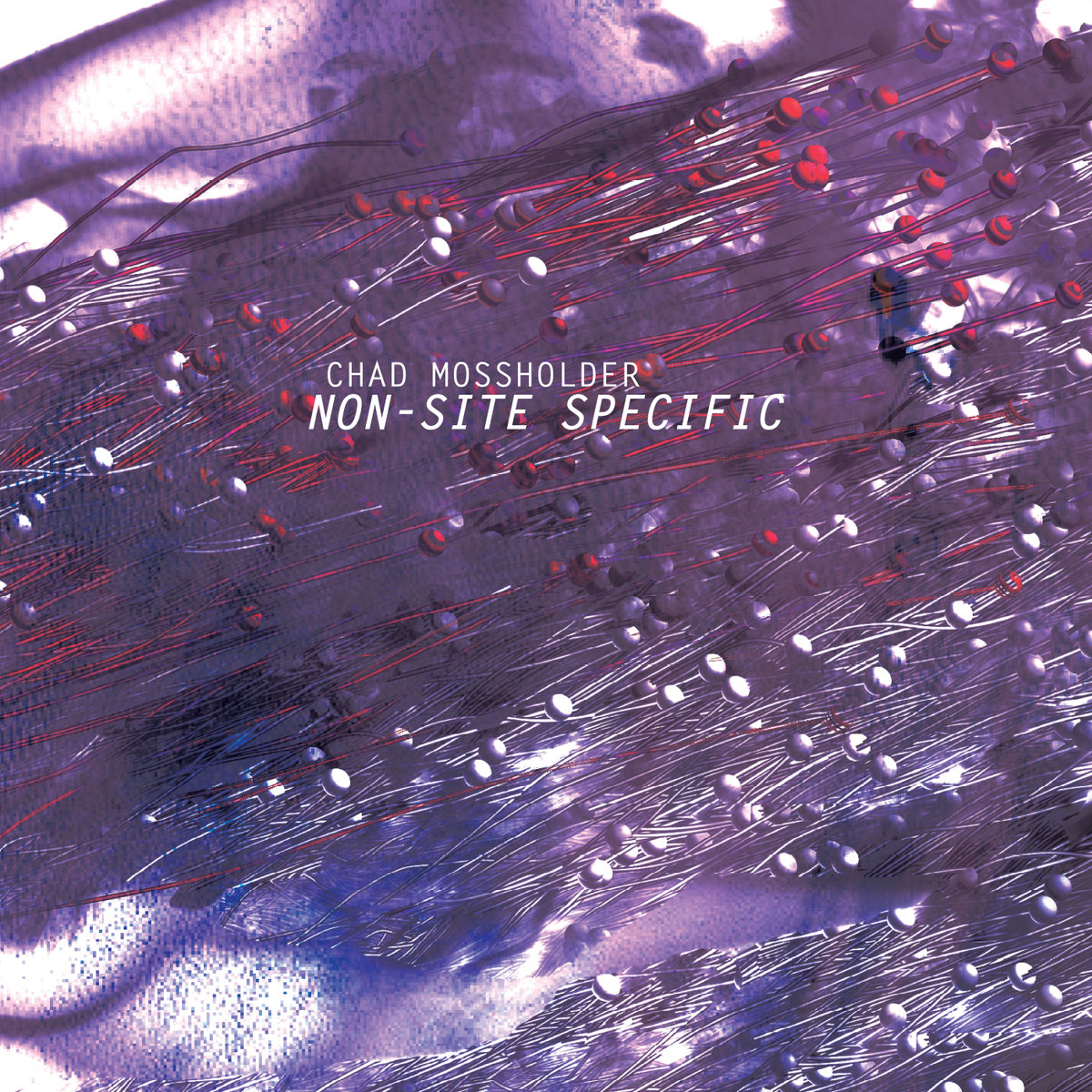
    Chad Mossholder Non-Site Specific Cover
    Chad Mossholder Non-Site Specific Cover

    Chad Mossholder Non-Site Specific Review

    Non-Site Specific site is the debut solo album by American ambient industrial musician Chad Mossholder. It is an unconventional combination of ambient sound-crafting, unidentified noises and electronic manipulation expertly woven together into a series of atmospheric tracks.

    They immediately conjure images in the listener’s head of abandoned factories, mechanical insects scuttling around in the wilderness, desolate cityscapes and seclusion. Nephilim comes to life with sounds that are reminiscent of small rodents squeaking around inside something, somewhere not readily identifiable. By contrast Cobweb has an almost percussive quality interwoven with spontaneous noises that ebb and flow from parts unknown. Each soundscape is crafted with remarkable attention to detail that will paint the listener’s mind with vivid imagery. The layers of textures and effects that come in and out of being over the course of Non-Site Specific can be just as rewarding on the first listen as any subsequent revisits.

    However, it should be noted that none of these recordings can be considered songs in any conventional sense and, in spite of the variety on display, they can easily blur into one another because of their formless nature. Non-Site Specific is a cerebral expedition for those that dare tread out into the realm of the unconventional. Another example of this is Oracle. Full of echoes and signal-like sounds coming from a machine repeatedly trying to connect to another one, only to become enveloped and ultimately replaced with static noise in the process.

    Nascent, on the other hand, teems with small life underneath a distorted backdrop of more signals, pointing to a bigger mechanical presence in a derelict environment. It is a bizarre blend of seemingly biological on-goings and mechanical processes that has been derived entirely from the technology used to create everything present in the recording.

    Non-Site Specific is an honest title, with appropriate cover artwork, for the soundscapes contained within. When listening, it is best to do so in a quiet, darkened room without any distractions and a good pair of headphones to experience the meticulous craftwork involved bringing everything to fruition. In some ways it is the audio equivalent to a time-lapse video that depicts the development of a garden over several months. It is a gradual, unfolding process that operates in a similar fashion and is rewarding to the patient listener.

    A casual listener will struggle to get beyond the first couple of tracks before throwing in the towel. This is their folly and those that press on, along with existing fans of both soundscapes and unorthodox compositions, will be rewarded for their efforts and hear these recordings as something akin to auditory vignettes.

    It is not often that a highly untraditional album, in terms of content and techniques used in the creation of said content, can elicit such imaginative scenes in the mind of the listener. Yet Non-Site Specific, created with computer programs and lacking any formal structure, defies convention and does exactly this in an undeniably paradoxical fashion.

    Performers:

    Chad Mossholder: Programming

    External Links:

    Chad Mossholder Homepage

    Non-Site Specific on Bandcamp

  • Opeth Damnation Review

    General Information:

    Artist: Opeth
    Album: Damnation
    Genre(s): Rock
    Subgenres(s): Progressive Rock, Soft Rock
    Released: 2003
    Length: 43 minutes
    Language(s): English
    Label(s): Music for Nations, Koch Records

    Track List:

    01. Windowpane
    02. In My Time of Need
    03. Death Whispered a Lullaby
    04. Closure
    05. Hope Leaves
    06. To Rid the Disease
    07. Ending Credits
    08. Weakness

    Opeth Damnation Cover
    Opeth Damnation Cover

    Opeth Damnation Review

    Damnation is the seventh studio album by Swedish band Opeth. Unlike all of their previous albums, Damnation sees the band shedding themselves of their renowned death metal, progressive metal, folk and acoustic music blend for a hybrid of progressive and soft rock. The album is soft to the point that at times it can be seen as pushing the boundaries of what can be considered rock music, progressive influences or not.

    Windowpane sets the tone perfectly with a sound crafted around a central clean-sounding guitar melody that interplays with an acoustic guitar and a steady rock drum beat devoid of metal tempos that give room for the prevailing melancholic mood to take hold. This is further enhanced by the keyboards and is indicative of what Damnation is about. Fans hearing this for the first time, and being familiar with their previous output, will be anticipating the sudden transition to Opeth’s metal sound but that moment will never come. On top of this, vocalist and guitarist Mikael Akerfeldt has also left his death growls in favour of a restrained singing voice that sounds fragile at times. While some fans will have undoubtedly being disappointed by these drastic changes, it would have also been impossible to fit that aggressive vocal style into Damnation and make it work.

    The melancholic mood is a central theme to Damnation and in some ways this helps to paint the album as a by the numbers effort. This is due to the songs, at times, blurring together and losing their distinctive nature when listening from start to finish. Two of the biggest standouts are the minimalist Weakness, which is centred on a subtle keyboard arrangement and is entirely devoid of percussion. Closure, the only song that shakes of the passive sound thoroughly, actively engages the listener in a different way. The tempo picks up as the song progresses and Opeth pushes it even further towards the end to create a total cacophony when put next to the rest of the album. This abruptly cuts out and if you had downloaded this song through one of the illegal file sharing services around at the time Damnation was released you would have thought that the song had been corrupted or was incomplete. This leads directly into Hope Leaves and makes these songs contrast in a way that can be seen an intentional throwback to their previous albums where the acoustic and metal parts can come right after each other. This way of integrating that aspect of Opeth’s character into Damnation is not as well executed as desired, if that is the case, since it is more disjointed than fluid in its delivery.

    It’s difficult for any band to break away from their established sound to explore new ideas but Opeth embrace their progressive rock influences honestly and passionately. This combined with the efforts of co-producer Steven Wilson (Porcupine Tree) on the keyboard and piano rounds off their sound and helped them to realise their vision. Damnation is an important milestone in Opeth’s history and is recommendable to anyone wanting to experience the softer side of rock music.

    Performers:

    Mikael Akerfeldt: Vocals and lead guitar
    Peter Lingren: Rhythm guitar
    Martin Mendez: Bass guitar
    Martin Lopez: Drums

    Additional Performers:

    Steven Wilson: Keyboards, piano, Mellotron, backing vocals

    External Links:

    Opeth Homepage
    Opeth on Wikipedia
    Damnation on Wikipedia

  • Zaz Zaz Review

    General Information:

    Artist: Zaz
    Album: Zaz
    Genre(s): Folk, Jazz
    Subgenres(s): Chanson, Gypsy Jazz
    Released: 2010
    Length: 39 minutes
    Language(s): French
    Label(s): Play On, Sony

    Track List:

    01. Les Passants
    02. Je Veux
    03. Le Long de la Route
    04. La Fée
    05. Trop Sensible
    06. Prends Garde à ta Langue
    07. Ni Oui Ni Non
    08. Port Coton
    09. J’aime à Nouveau
    10. Dans Ma Rue
    11. Éblouie Par la Nuit

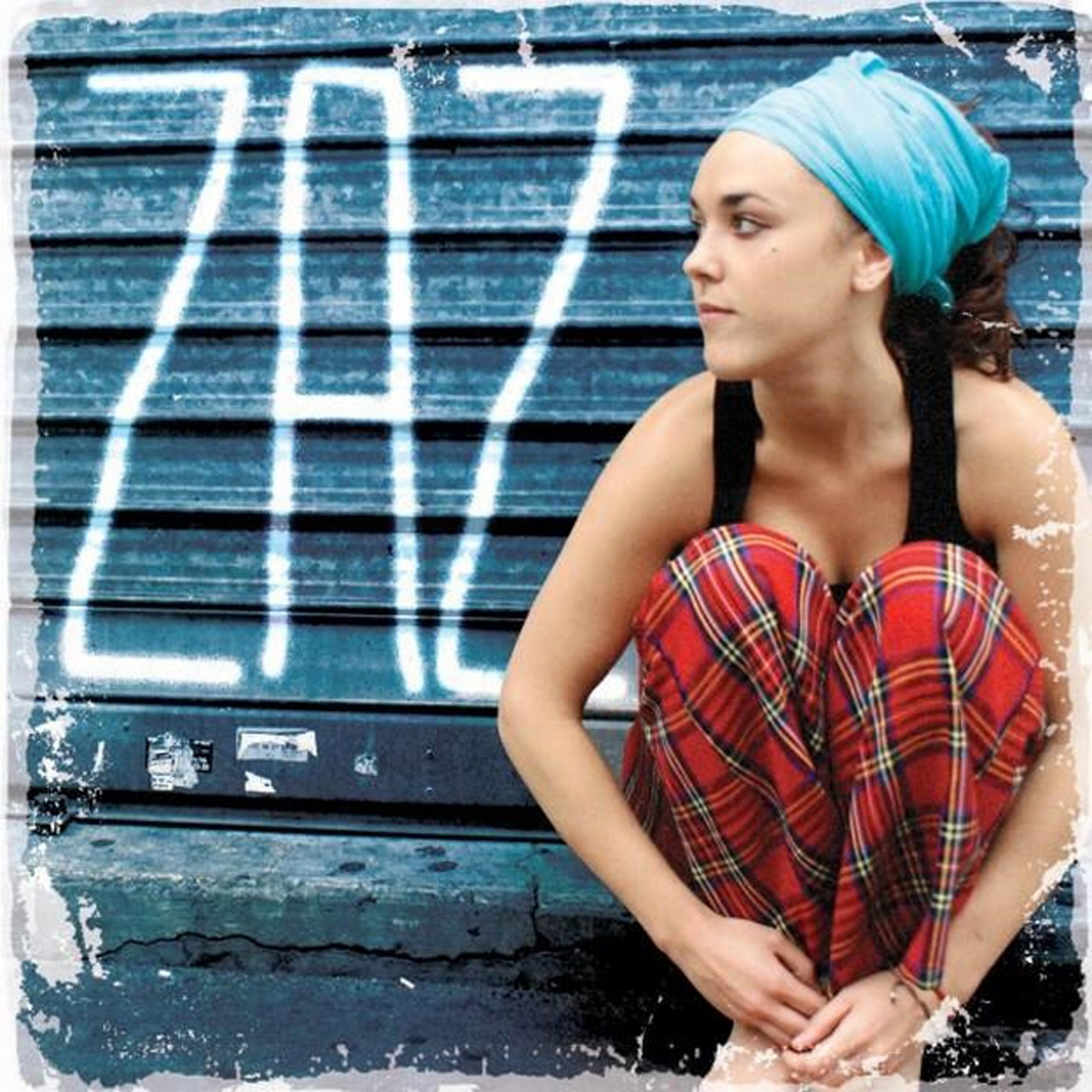
    Zaz Zaz Cover
    Zaz Zaz Cover

    Zaz Zaz Review

    Zaz is the debut album and stage name of French singer Isabelle Geffroy. The first thing that the listener will pick up on over the course of this album is the many different directions that are taken. Starting with a series of four acoustic-driven songs, including the jaunty single Je Veux, the sound is then stripped back to a quiet acoustic guitar and even subtler harmonium to fill in the silence on Trop Sensible, the only song written solely by Zaz.

    This song does have the advantage of letting her voice stand out although it is somewhat awkwardly followed by Prends Garde à Ta Langue and then Ni Oui Ni Non. The latter retains the jaunty attitude of Je Veux and the former is much the same after being moulded into a jazzy temperament that is accompanied by a brass section consisting of a trumpet, trombone and saxophone.

    Aside from writing Trop Sensible herself, Zaz shares credit for five other song (Les Passants, Le Long de a Loute, Prends Garde à Ta Langue, Ni Out Ni Non and J’aime à Nouveau) while the other six were written by other composers. None of the songs on Zaz are inherently weak but it is apparent that some of the other composers have a different flair to that of Zaz.

    For example, fellow French musician Raphaël Haroche is the sole composer of the piano-focused La Fée as well as the earnest Port Coton and Éblouie Par la Nuit. The latter two are more downbeat and are in the second half of the album, where this mood is more dominant, whereas the first half is livelier so when looking at the album as a whole it can come across as a bit of a “too many cooks in the kitchen” scenario. The theme is broken up by the cheerful J’aime à Nouveau but Zaz ultimately finishes in a very different place to where it starts.

    In spite of having some uneven moment in terms of the overall mood of the album, it is highly enjoyable and the optimistic parts of it will certainly keep your attention irrespective of being able to understand the lyrics or not, some of which are positive when translated (Je Veux) whereas others tell more sombre tales (Dans Ma Rue).

    Performers:

    Zaz (Isabelle Geffroy): Lead Vocals (1-11)
    Bruce Cherbit: Drums (1, 2, 3, 6, 7, 9), Tambourine (2)
    Toby Dammit: Drums (4, 8)
    Manuel Marches: Double Bass (1, 3, 9)
    Antoine Reininger: Double Bass (2, 6, 7)
    Mathieu Verlot: Double Bass (4, 8, 11)
    Germain Guyot: Piano (1, 3, 10)
    Fred Lafarge: Acoustic Guitar (1, 2, 3, 7, 9), Piano (4, 8, 11), Harmonium (5, 8)
    Alban Sautour: Electric Guitar (1, 3), Programming (1)
    Raphaël Haroche: Acoustic Guitar (8)

    External Links:

    Zaz Homepage
    Zaz on Wikipedia
    Zaz on Wikipedia

  • Kvelertak Nattesferd Review

    General Information:

    Artist: Kvelertak
    Album: Nattesferd
    Genre(s): Rock
    Subgenres(s): Hard Rock, Punk Rock
    Released: 2016
    Length: 47 minutes
    Language(s): Norwegian
    Label(s): Roadrunner

    Track List:

    01. Dendrofil for Yggdrasil
    02. 1985
    03. Nattesferd
    04. Svartmesse
    05. Bronsegud
    06. Ondskapens Galakse
    07. Berserkr
    08. Heksebrann
    09. Nekrodamus

    Kvelertak Nattesferd Cover
    Kvelertak Nattesferd Cover

    Kvelertak Nattesferd Review

    Nattesferd is the third studio album by Norwegian rock band Kvelertak. While they have been referred to as a black metal/rock hybrid in the past it is hardly relevant to Nattesferd because Dendrofil for Yggdrasil is the only black metal song, along with part of Berserkr, on the entire album. Almost everything else is broadly hard rock or punk rock filtered through the lo-fi aesthetic of black metal with a vomitus vocal style spraying all over the music. The lyrics all happen to be in Norwegian and given how they’re delivered it is questionable how intelligible they are, even to a native speaker.

    After opening with a black metal song, Kvelertak immediately shifts to hard rock and then alternates between that and punk rock up to and including Ondskapens Galakse. The fusion and alternation of all these different elements is novel but in practice comes across as disjointed (and arguably unfocused) despite the sincerity and passion that the band clearly possesses. The vocal style doesn’t suit any of the hard rock songs and they detract from the experience since songs in this subgenre tend to sound powerful and spirited, whereas this leaves you lacklustre and wanting an actual singer that could have really made the songs into something special.

    Berserkr, as the name implies, goes all out with the aggression and wild experimentation in which they blend all three styles into a single song. The majority of the song is black metal meets punk rock and from the bridge onwards the hard rock influences seep back in. To Kvelertak’s credit this is pulled of remarkably well and is certainly a highlight of Nattesferd, as is Bronsegud, a short and punchy hardcore punk flavoured song where the vocal style seems to fit almost naturally.

    The last two songs on the album, Heksebrann and Nekrodamus, are almost yin and yang to each other. Heksebrann is a curveball at 9 minutes long while drawing on progressive rock and having a large instrumental section lasting about 4 minutes at the beginning. This contrasts with Nekrodamus, which continues the Kvelertak tradition of having “Nekro” in a song title, and is the complete antithesis of Heksebrann. This song sees hard rock stripped back to the basics and is much slower compared to the other songs, which once again take the listener in an unexpected direction, but is a bit longer than it needs to be.

    It’s always good to hear a band perform in their native language and for anyone to embrace the spirit of rock wholeheartedly to the same extent that Kvelertak does. However, the scattershot approach to writing for several subgenres is often inconsistent and they seem to rely on the unpolished aesthetics and consistent use of harsh vocals to add a cohesive thread to the album.

    Performers:

    Erlend Hjelvik: Vocals
    Vidar Landa: Guitar
    Bjarte Lund Rolland: Guitar, Piano
    Maciek Ofstad: Guitar, Vocals
    Marvin Nygaard: Bass
    Kjetil Gjermundrød: Drums

    External Links:

    Kvelertak Homepage
    Kvelertak on Wikipedia
    Nattesferd on Wikipedia

  • The Cinematic Orchestra Man With a Movie Camera Review

    General Information:

    Artist: The Cinematic Orchestra
    Album: Man With a Movie Camera
    Genre(s): Nu Jazz
    Subgenres(s): N/A
    Released: 2003
    Length: 61 minutes
    Language(s): N/A
    Label(s): Ninja Tune

    Track List:

    01. The Projectionist
    02. Melody
    03. Dawn
    04. The Awakening of a Woman (Burnout)
    05. Reel Life (Evolution II)
    06. Postlude
    07. Evolution (Versao Portuense)
    08. Work It! (Man With the Movie Camera)
    09. Voyage
    10. Odessa
    11. Theme de Yoyo
    12. The Magician
    13. Theme Reprise
    14. Yoyo Waltz
    15. Drunken Tune
    16. The Animated Tripod
    17. All Thing

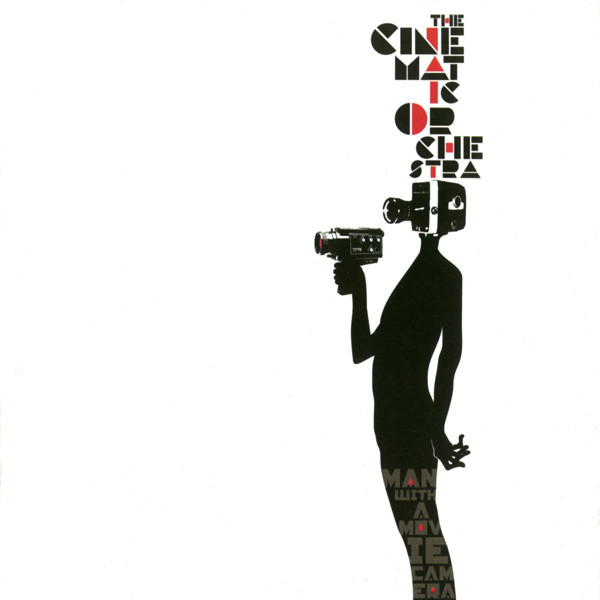
    The Cinematic Orchestra Man With a Movie Camera Cover
    The Cinematic Orchestra Man With a Movie Camera Cover

    The Cinematic Orchestra Man With a Movie Camera Review

    Man With a Movie Camera is the third album and first soundtrack from the British nu jazz group The Cinematic Orchestra. Written to accompany the silent 1929 Soviet Russian documentary by Dziga Vertov, The Cinematic Orchestra use a modern approach to jazz music that focuses on the song as a whole (as opposed to each instrumentalist in the spontaneous bebop or the arranged cool jazz traditions) that are accompanied by an electronic backdrop.

    In some parts of Man With a Movie Camera the nu jazz genre is synthesised well and in others it feels out of place or makes little sense. The Projectionist is literally 6 seconds of a high pitched noise, followed by a 20 second snippet of an old jazz recording titled Melody that is only listed as “trad.” in the writing credits. It is treated to a brief echoing fadeout before we get to Dawn, the third track and first actual song.

    Dawn features a string trio consisting of a violin, viola and cello that perform a slow, repetitive melody for much of the song as samples of birds tweeting, keyboard ambience and other sound effects litter the soundscape. This leads into The Awakening of a Woman (Burnout), which as the subtitle suggests is a reinterpretation of the song Burn Out from their 2002 album Every Day, and the organ sound of the original has been overshadowed by the string trio and different electronic interjections. The song slowly builds up and will engross the listener in the same way that the six minute instrumental reinterpretation of All Things to All Men does (simply retitled All Things). It is cut down from the original ten minute version and lacks the presence of rapper Roots Manuva so that The Cinematic Orchestra can concentrate on building the atmosphere of the song which still contains the sinister Main Title piece of music by John Barry for the 1968 drama film Petulia.

    There are two more interludes found later in the album and both of them throw the atmosphere completely out the window and make it impossible to justify their inclusion. The first of these is Voyage, which follows on as a separate track from the memorable Work It! (Man With the Movie Camera) but it is nothing but a high pitched steamboat horn crashing through your cranium with a swirling ambient noise playing between the two blasts of it.

    At this point the listener is then introduced to the second half of Man With a Movie Camera and the songs are much shorter with all but two of them being under three minutes long. The listener is treated to Odessa, a solo piano piece, following the horrific steamboat ordeal as well as a lighter jazz-centric song (Theme de Yoyo) and a minimalist piano piece called The Magician. Unfortunately the mood is once again thrown off by The Animated Tripod. This is literally 72 seconds of bleeps and bloops with a piano chord and static thrown in at the end to bring the piece to a crashing finish and without the visuals of the documentary for context this makes no sense on the album. The aforementioned All Things brings the album to a close and soothes some of the annoyances found earlier on but they will undoubtedly leave the listener with a negative impression.

    Within the context of watching the documentary this soundtrack makes far more sense but as a stand-alone release it doesn’t translate nearly as well and at times comes across as a mixed bag with ill-advised interludes and worthy highlights rubbing shoulders with some other inconsistencies that prevent the album from being what it could be.

    A link to the documentary with the Cinematic Orchestra soundtrack overlaid can be found at the bottom of this review and begins 3 minutes and 37 seconds in.

    Performers:

    Luke Flowers: Drums
    Phil France: Double Bass
    Jon Ellis: Piano/Keyboards
    Tom Chant: Saxophones
    Patrick Carpenter: Turntables/Electronics
    Milo Fell: Percussion
    Prabjote Osahn: Violin
    Antonia Pagulatos: Viola
    Wayne Urquhart: Cello

    External Links:

    The Cinematic Orchestra Homepage
    The Cinematic Orchestra on Wikipedia
    Man With a Movie Camera on Wikipedia

    Man With a Movie Camera Documentary with The Cinematic Orchestra Soundtrack:

  • Ahab The Call of the Wretched Sea Review

    General Information:

    Artist: Ahab
    Album: The Call of the Wretched Sea
    Genre(s): Heavy Metal
    Subgenres(s): Funeral Doom
    Released: 2006
    Length: 67 minutes
    Language(s): English
    Label(s): Deviant Records, Napalm Records

    Track List:

    01. Below the Sun
    02. The Pacific
    03. Old Thunder
    04. Of the Monstrous Pictures of Whales
    05. The Sermon
    06. The Hunt
    07. Ahab’s Oath

    Ahab The Call of the Wretched Sea Cover
    Ahab The Call of the Wretched Sea Cover

    Ahab The Call of the Wretched Sea Review

    The Call of the Wretched Sea is the debut album of German funeral doom metal band Ahab. By combining one of the most niche subgenres in heavy metal with their interpretation of Herman Melville’s Moby Dick, Ahab create a gripping atmosphere which holds ones imagination as they take you on a voyage of murky obsession.

    The atmosphere really is the key to The Call of the Wretched Sea and this even extends to the vocal performance of Daniel Droste, who performs death growls at a staggeringly slow pace that, at times, gives the impression that his voice is part of the soundscape rather than a focal point of the music as you would expect in most other forms of music. This is of course detrimental to the lyrical aspect that they are praised for because if you want any chance of comprehending them then you will need to have the lyrics in front of you when listening to The Call of the Wretched Sea.

    Ahab have their sound expertly crafted, that much should be self-evident to any listener early into the album, but their song-writing still leaves something to be desired. This album is 67 minutes long and there isn’t nearly enough variety to justify so much material, especially when five of the songs are upwards of ten minutes long and mostly rely on the same simple approach to playing – the lack of melody or memorable riffs blurs everything into one overly long song. The only exceptions are Old Thunder, which delves into the somewhat more up-tempo territory of the death-doom hybrid genre and the second is the interlude Of the Monstrous Pictures of Whales which leads directly into The Sermon to create a two part song with the drastic change in sound being half the reason it stands out as much as it does.

    There are some other sections sprinkled throughout the album in an attempt to diversify their sound and the first example of this is the highly memorable ambient introduction to Below the Sun that is followed by a thunderous shift to metal as ushered in by drummer Cornelius Althammer. The Sermon contains an extended break in the middle of the song that conjures a compelling stormy sea setting that departs entirely from metal. By using recordings of wind interwoven with minimalist clear guitar playing and a spoken word performance that sounds like it has come from an ancient recording Ahab effectively demonstrate what they are capable of doing outside of the realm of metal.

    A better balance of these elements, as well as cutting down the overall length of The Call of the Wretched Sea, would have gone a long way but if you want a metal album that truly does bring atmosphere to the forefront then this is an ideal starting point.

    Performers:

    Daniel Droste: Vocals, Electric guitar
    Christian Hector: Guitar
    Stephan Adolph: Bass guitar, guitar, vocals
    Cornelius Althammer: Drums

    External Links:

    Ahab Homepage
    Ahab on Wikipedia
    The Call of the Wretched Sea on Wikipedia

  • Rabbit Junk Rabbit Junk Review

    General Information:

    Artist: Rabbit Junk
    Album: Rabbit Junk
    Genre(s): Digital Hardcore
    Subgenres(s): N/A
    Released: 2004
    Length: 51 minutes
    Language(s): English
    Label(s): Rabbitjunk.com (Original release) / Full Effect Records (Rerelease)

    Track List:

    01. Orange Laces
    02. Plastical
    03. Not Owned
    04. Washout
    05. I Vote Bolshevik Lite
    06. Punkass
    07. Walking on the Moon (The Police Cover)
    08. Fingaprints
    09. Inside My House
    10. ISO vs Life
    11. I Vote Bolshevik Lite (Cyanotic Remix) / You Deserve to Die (Hidden Track)

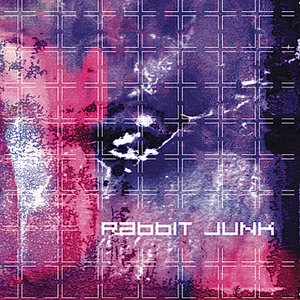
    Rabbit Junk Rabbit Junk Cover
    Rabbit Junk Rabbit Junk Cover

    Rabbit Junk Rabbit Junk Review

    Rabbit Junk is the debut album and name of the American digital hardcore solo act created by JP Anderson. Fusing hardcore punk with elements of drum and bass, hip hop and other electronic influences it marks a significant departure from The Shizit, an electronic duo composed of JP Anderson and Brian Shrader between 1999 and 2002.

    While they focused on a drum and bass/gabber/hardcore techno fusion with some punk rock influences the three year gap between The Shizit’s last album and Rabbit Junk’s first gives the impression that a musical transformation happened for JP Anderson outside the studio. As such it was never recorded so the links connecting the bands and JP Anderson’s new artistic vision are thin, especially when considering how productive The Shizit were in releasing three albums in their short-lived career. This would have probably been a surprise for longstanding fans even though it should be noted that the high energy performance and aggression has not dissipated.

    Right out of the gate the listener is greeted with a heavily distorted guitar that builds with rock drumming and synthesisers before giving way a frenzied combination of drum and bass beats and blown out guitar noise with some synthesisers weaving their way into the mix for a clearer sense of melody. Other songs such as Plastical, Punkass, Fingaprints and ISO Vs Life all contain some elements of hip hop ranging from turntablism, rapped vocals (on ISO Vs Life) and samples of NWA on Punkass to further blur the lines between genres. Unlike most bands Rabbit Junk manage to do this without really stepping into nu metal territory as many rock-orientated bands do when flirting with hip hop. On Fingaprints we hear all of the elements coming together at their best from the looped and distorted vocal frenzies interlaced with turntable scratches right thought to the blown-out guitars and sheer intensity that it results in. The title of the song relates to the lyrics found in the extended mid-song interlude that gives you room to breathe with JD Anderson lamenting that “my hands are black from the matches in my pocket/so far, I’ve only burnt myself.”

    Unexpectedly there is a cover of the reggae song Walking on the Moon by The Police, originally released in 1979, which seems like an unusual choice given how it contrasts so much with Rabbit Junk’s aggressive genre mashup. With 25 years between their releases and almost as many genres apart it doesn’t help make sense of the choice initially. Having said this, JP Anderson turns the song into something of his own which works well for the Rabbit Junk sound. Some parts of the cover are virtually unrecognisable from the original, such as the chant accompanied by ambient sound effects at the beginning before using turntables and the bass guitar to give the song momentum. The tempo is a bit faster than the original version so it lacks the same relaxed pace and atmosphere which is then thrown out the window when it turns in to a punk rock song for the chorus.

    The rerelease of Rabbit Junk has two songs on the final track, the first being a remix of I Vote Bolshevik Lite by industrial metal band Cyanotic and the second is a hidden song called You Deserve to Die which tagged on the end of the track. It is a live acoustic song with delightfully dark and sarcastic lyrics dealing with a revenge murder which the crowd gleefully sing along to, giving it an unintentionally surreal twist.

    Through Rabbit Junk JP Anderson proudly carries the digital hardcore banner while adding his own flair the broad mix without strict regard for genre conventions. This makes the album versatile and uncompromising in a way that most others simply cannot be so for anyone that enjoys music that blurs genre lines then Rabbit Junk should be on their list.

    Performers:

    JP Anderson: Vocals, guitar, bass, drums, keyboards, programming, song-writing, lyrics
    Jennifer “Sum Grrl” Bernert: Backing vocals

    External Links:

    Rabbit Junk Homepage
    Rabbit Junk on Wikipedia
    Rabbit Junk (album) on Wikipedia

  • Laibach Spectre Review

    General Information:

    Artist: Laibach
    Album: Spectre
    Genre(s): Industrial
    Subgenres(s): Electro-Industrial
    Released: 2014
    Length: 57 minutes (including bonus tracks)
    Language(s): English, French
    Label(s): Mute Records

    Track List:

    01. The Whistleblowers
    02. No History
    03. Eat Liver!
    04. Americana
    05. We Are Millions and Millions Are One
    06. Eurovision
    07. Walk With Me
    08. Bossanova
    09. Resistance is Futile
    10. Koran
    11. The Parade (Bonus Track)
    12. Love on the Beat (Serge Gainsbourg Cover) (Bonus Track)
    13. Just Say No! (Bonus Track)
    14. See That My Grave is Kept Clean (Blind Lemon Jefferson Cover) (Bonus Track)

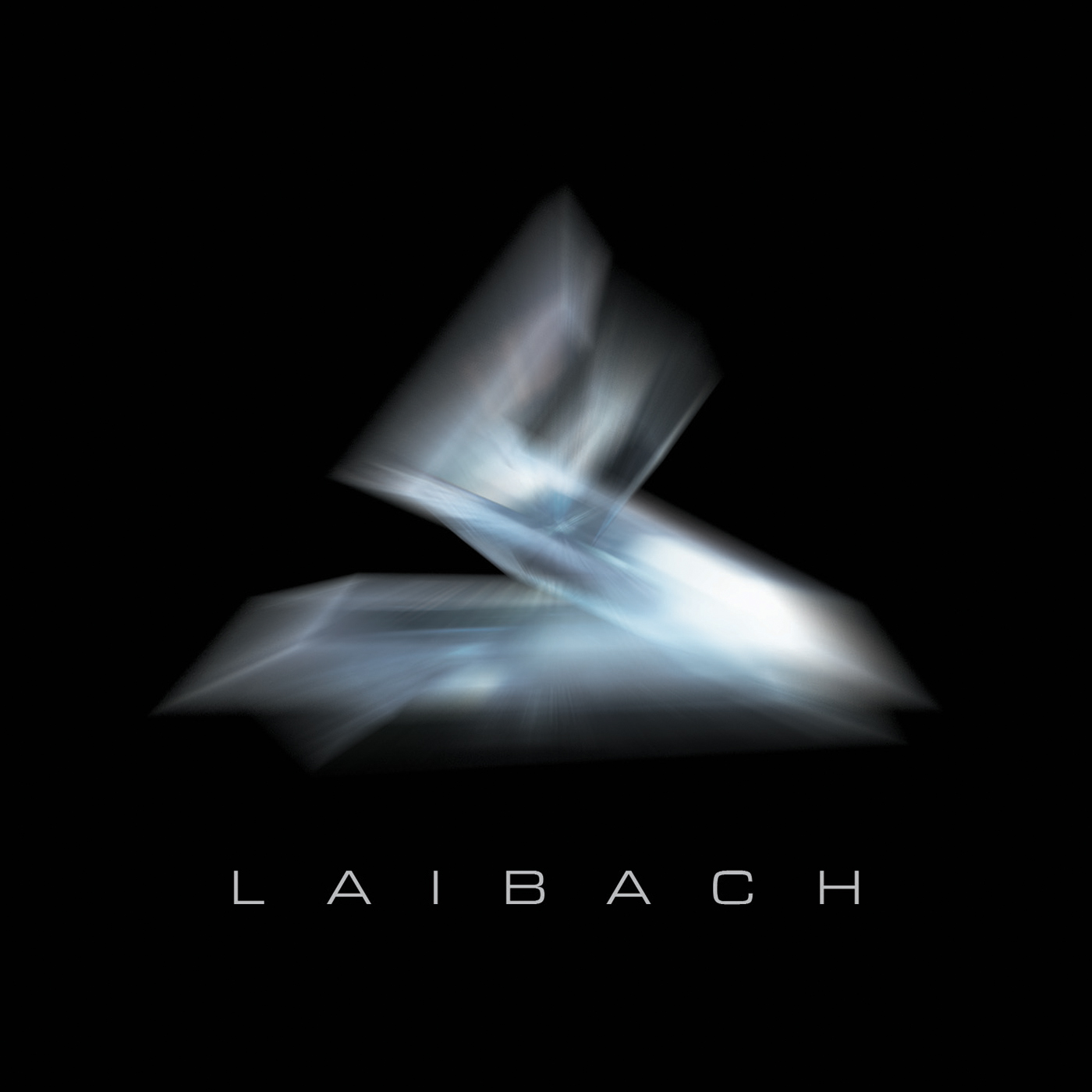
    Laibach Spectre Cover
    Laibach Spectre Cover

    Laibach Spectre Review

    Spectre is the eighth studio album by Slovenian industrial collective Laibach. Released eight years after their last studio album, Volk, they have taken their music in another direction with most of it being in the electro-industrial vein.

    Laibach have a history of using authoritarian political ideologies and themes in their aesthetics and lyrical content but any overt use it is largely absent from Spectre. The only explicit mention of politics is the Occupy Wall Street movement in No History. Other song titles such as The Whistleblowers and Koran hint at political themes (whistle blowers such as Edward Snowden or Chelsea Manning and Islam in the West respectively) but the lyrical content doesn’t reflect this. In fact, The Whistleblowers title only seems to refer to the literal whistling performed throughout this catchy martial industrial track which immediately draws the listener in. Koran on the other hand is a quasi-ballad and as it picks up the male and female singer having a back and forth about a belief “in brotherhood, equality and freedom” and “happiness for all” to which the bass-level spoken response observes that “words are substance for tomorrow/they are weapons of our mind/words can take us far away/they will leave us all behind” as though to say that it’s a nice idea but in reality it’s not quite that simple.

    On the inverse of this we have Eurovision, obviously named after the annual karaoke train wreck that plagues Europe, in which the band says that “there are crowds in the streets/they are crying to be heard” and that “Europe is falling apart” in the dramatic chorus. The second example of this is Bossanova, named after the Brazilian music genre Bossa Nova, which features a blend of raw authoritarianism and self-aggrandising nihilism in another booming proclamation of “I want torture/arms and corporations/no control, president or parliament!/feed my hunger with poverty/feed my anger with children/feed my lust with bikini food!/feed my ego with luxury/I’m having a good time/and I want my nation to break down!”

    By using their history of political imagery and themes Laibach have simply put the shoe on the other foot to give the illusion of depth when in reality there isn’t that much to begin with. The music starts out strong with the first three tracks and then Americana is introduced as a slow burner to break up the pace in true pop fashion. The lyrics are overly repetitive here, as they are in other songs, but at the same time they offer some truth about activism and rallying people to your cause by saying that “if you wanna change the world/you’d better do it with a thrill/cos’ if you don’t – no one else will.”

    Resistance is Futile is a seven minute sci-fi odyssey into Laibach itself and it’s impossible to tell if it is a tongue in cheek parody or a sincere use of Star Trek’s Borg collective theme between their use of laser beam noises, digitised voices repeating “we are Laibach/resistance is futile” and the familiar bass voice chanting “blitzkrieg” as there modus operandi to achieve assimilation. The song ends with a long, atonal industrial soundscape with digitised voices fading in and out which, to the bands credit, is executed well and gives enough breathing room to introduce Koran without upsetting the flow of Spectre.

    There are also four bonus tracks available on most versions of Spectre and with the exception of The Parade, which features a trumpet that seems at odds with the rest of the track, they’re done in the lively vein of electro-industrial like Eat Liver is. Just Say No is an aggressive synth-driven stomper with a memorable mantra and the other two songs are covers. One of them is See That My Grave is Kept Clean by American acoustic blues musician Blind Lemon Jefferson and aside from the lyrics it really doesn’t have anything to do with the original version and Laibach clearly aren’t wanting to mimic their inspiration here. Love on the Beat was originally performed by French musician Serge Gainsbourg in a funk-influenced new wave style and while it was sung in a low pitch with samples of someone shouting mixed in, it is Laibach’s unique reimagining that gives it a dark twist and really makes it into something else like it was always meant to be an industrial song.

    In some ways Spectre is Laibach in pop music’s clothing as found in the inversion of their provocative image and lyrical themes so where it really counts, the musical content, the question is do Laibach deliver? The short answer is yes. The longer answer is yes despite some of the content being a little bit uneven in the middle with some overly repetitive lyrics thrown in because on most counts there is excellent content that strikes a healthy balance between accessibility and artistic integrity all while pulling on people’s strings in their own provocative way.

    Performers:

    Luka Jamnik
    Matevz Kolenc
    Milan Fras
    Mina Spiler
    Saso Vollmaier
    Slavko Avsenik Jr.

    External Links:

    Laibach Homepage
    Spectre on Wikipedia
    Spectre on Wikipedia

  • The Mad Capsule Markets Osc-Dis Review

    General Information:

    Artist: The Mad Capsule Markets
    Album: Osc-Dis
    Genre(s): Digital Hardcore
    Subgenres(s): N/A
    Released: 1999 (Japan), 2001 (UK and USA)
    Length: 41 minutes
    Language(s): English, Japanese
    Label(s): Victor, Invitation, (Japan) / PalmRyko, Palm Entertainment (US/UK)

    Track List:

    01. Tribe
    02. Out/Definition
    03. Square Wave (Pulse)
    04. Multiples
    05. Mob Track
    06. All the Time in Sunny Beach
    07. Island
    08. Restart!
    09. Jag
    10. Step into Yourself
    11. Good Girl
    12. Midi Surf

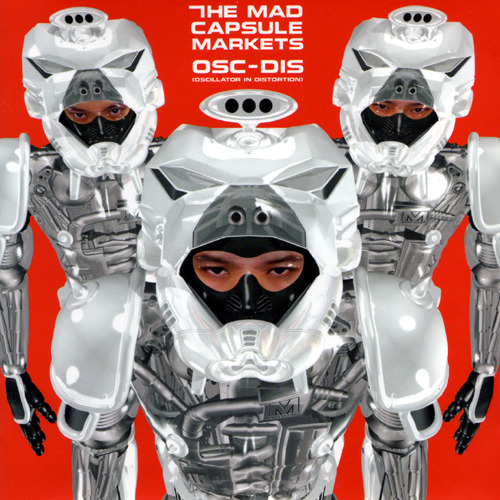
    The Mad Capsule Markets Osc-Dis Cover
    The Mad Capsule Markets Osc-Dis Cover

    The Mad Capsule Markets Osc-Dis Review

    Osc-Dis (shorthand for Oscillator in Distortion) is the 9th studio album by Japanese digital hardcore band The Mad Capsule Markets, who meld drum machine loops and samples with live percussion and their hardcore punk foundation. Not content with this combination already creating as much sonic mayhem as possible, all of the vocals are heavily distorted to the point where you often can’t tell where the English begins and the Japanese ends. However, this isn’t necessarily a negative because the lyric delivered in English haven’t translated that well so this mask of distortion plays right into their aesthetic and ultimately their advantage. Whether this is by design or sheer coincidence will never be truly be determined.

    From the nu metal inspired Tribe to the gabber fuelled Restart! or drum and bass infused hardcore punk anthem Square Wave (Pulse), which is arguably their most well-known song in the Western world after being featured in the Tony Hawk’s Pro Skater 3 video game, this proves that The Mad Capsule Markets influences are many and are still able to find a cohesive vision through all of genre mixing. The only time that the band properly slows down and takes things in the opposite directions is on the 10th song, Step into Yourself, which has the guitars playing more like a wall of static rather than anything with a discernible melody and features some quasi-rapped vocals, the monotonous chant of “step into yourself” and some more choppy drum machine loops that certainly creates a unique song although it doesn’t have the same appeal as many of the others.

    With both English and Japanese lyrics clashing together alongside hardcore punk and an assortment of sounds from electronic music genres, Osc-Dis is where worlds collide in an undignified yet entirely gripping fashion.

    Performers:

    Takeshi Ueda: Vocals, Bass, Programming
    Motokatsu: Drums, Programming
    Toruxx: Guitar, Programming
    Kyono: Vocals

    Additional Performers:

    Hirosuke, Yamada and Katsya: Additional vocals

    External Links:

    The Mad Capsule Markets on Wikipedia
    Osc-Dis on Wikipedia

  • Killswitch Engage Killswitch Engage (2000) Review

    General Information:

    Artist: Killswitch Engage
    Album: Killswitch Engage (2000)
    Genre(s): Metalcore
    Subgenres(s): N/A
    Released: 2000
    Length: 32 minutes
    Language(s): English
    Label(s): Ferret Music

    Track List:

    01. Temple from the Within
    02. Vide Infra
    03. Irreversal
    04. Rusted Embrace
    05. Prelude
    06. Soilborn
    07. Numb Sickened Eyes
    08. In the Unblind
    09. One Last Sunset
    10. Prelude (1999 Demo) (Bonus Track)
    11. Soilborn (1999 Demo) (Bonus Track)
    12. Vide Infra (1999 Demo) (Bonus Track)
    13. In the Unblind (1999 Demo) (Bonus Track)

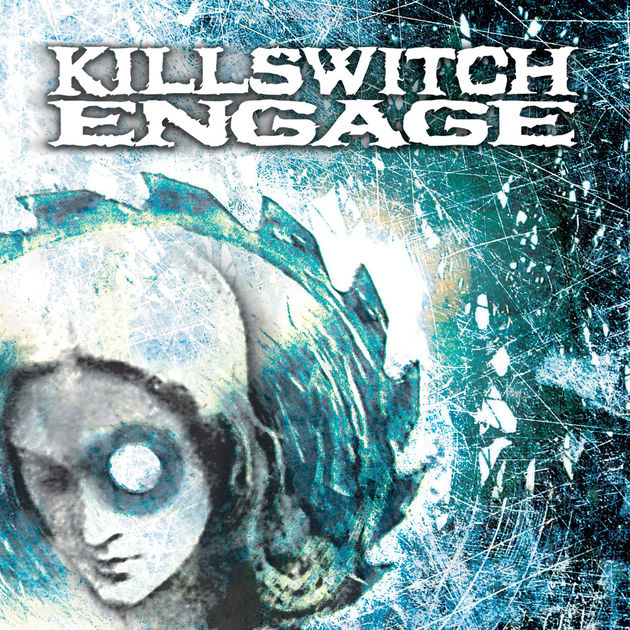
    Killswitch Engage Killswitch Engage (2000) Cover
    Killswitch Engage Killswitch Engage (2000) Cover

    Killswitch Engage Killswitch Engage (2000) Review

    Killswitch Engage released their first self-titled album in 2000, which also happens to be their debut, and is much coarser than their subsequent releases. With nothing much in the way of melody Jesse Leach’s vocal style is mostly gut-wrenching screams that sound positively savage when paired with Killswitch Engages raw and uncompromising metalcore sound.

    One needs not look further than the first few seconds of Temple from the Within to experience this and while he momentarily dips into a melodic refrain he’ll immediately revert back to the aggro like there’s nothing to it. There’s also the uncommon pairing of singing over blast beat drumming on Irreversal and death metal growls during the breakdown at the end of the song which shows a completely different side of Killswitch Engage in their earliest incarnation.

    Underneath all of this are some positive lyrics dealing with individuality (In the Unblind) as well as on Soilborn which refers to striving for truth and integrity but it’s difficult to follow most of it without the lyrics written out in front of you unless you have a keen ear for it.

    There’s already enough testosterone for it to start leaking out their ears but on the rerelease of Killswitch Engage there are four demo versions of songs from the album that are somewhat less refined, relatively speaking, and there are a few differences like the lack of whispered vocals and drum introduction on the Prelude demo. One Last Sunset is the second instrumental and final song on the original album which shows a willingness to experiment with an emphasis on atmosphere that develops over the first half of the song before the tempo picks up and it grows into a foreboding march before a few more twists and turns appear.

    The first self-titled Killswitch Engage album is a worthwhile Metalcore album for fans of the genre as well as for those that want to hear what Killswitch Engage were like before having major mainstream success.

    Performers:

    Jesse Leach: Vocals
    Joel Stroetzel: Guitars
    Mike D’Antonio: Bass
    Adam Dutkiewicz: Drums, Backing Vocals

    External Links:

    Killswitch Engage Homepage
    Killswitch Engage on Wikipedia
    Killswitch Engage (2000) on Wikipedia

  • Lights The Listening Review

    General Information:

    Artist: Lights
    Album: The Listening
    Genre(s): Electronic
    Subgenres(s): Synthpop
    Released: 2009
    Length: 43 minutes
    Language(s): English
    Label(s): Universal Music, Sire Records

    Track List:

    01. Saviour
    02. Drive My Soul
    03. River
    04. The Listening
    05. Ice
    06. Pretend
    07. The Last Thing on Your Mind
    08. Second Go
    09. February Air
    10. Face Up
    11. Lions
    12. Quiet
    13. Pretend (Reprise)

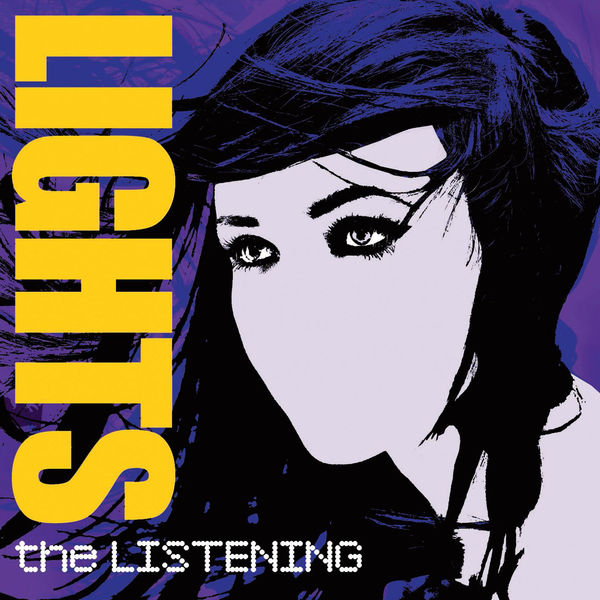
    Lights The Listening Cover
    Lights The Listening Cover

    Lights The Listening Review

    The Listening is the debut album of Canadian synthpop solo artist Lights. It is a low key outing that puts her voice, which is so sickly sweet that it could give you diabetes, at the front and centre of each song. This isn’t inherently a bad thing but the music itself can feel secondary at times and this approach leads itself into a by-the-numbers result when looking at this in the context of a full album.

    Saviour introduces the listener to The Listening and sets the tone nicely while also making use of auto-tune software that isn’t necessary because Lights has a voice that should be able to stand on its own merits. It is also prominent on the title song and its use might simply be a by-product of the pop trend for auto-tuning voices that arose in the mid to late 2000s. All but two songs are under three and a half minutes long so their shortness will lend itself to a good amount of replay value on individual songs rather than as a whole album.

    Both Pretend and The Last Thing on Your Mind take on a downbeat mood and feature an acoustic guitar which adds to the sincerity of the performance with the latter breaking out of the mould further by having a distorted guitar playing in the crescendo to the finale. This also has Lights singing far more intensely over a comparatively rapid paced beat and makes it a standout moment for the album. Being placed in the middle of the album, it is a good way to break up the pacing although it would have made for a better closing song.
    Lights sounds rabid in her choppy delivery of the second verse of Ice and combined with the frantic synthesiser part that follows it, it quickly becomes a stand out moment like Pretend (Reprise), a reimagining of Pretend as a piano ballad that strips away all of the polish associated with the synthpop sound and gives a glimpse into another side to Lights.

    Many listeners will undoubtedly be won over by Lights’ voice alone but since The Listening has Lights and her co-producers working within certain parameters and only ever tip-toe across the line, which is what yields some of their best results, it shows that there is room for growth.

    Performers:

    Lights: Vocals, production (all tracks)
    Thomas Salter: Production (tracks 1–3, 5, 6, 10, 11, 14, 15)
    Dave Thomson: Production (tracks 4, 7–9, 12, 16)
    The Angry Kids: Additional production (track 15)

    External Links:

    Lights Homepage
    Lights on Wikipedia
    The Listening on Wikipedia

  • Lykke Li Youth Novels Review

    General Information:

    Artist: Lykke Li
    Album: Youth Novels
    Genre(s): Indie Pop
    Subgenres(s): N/A
    Released: 2008
    Length: 51 minutes
    Language(s): English, French
    Label(s): LL Recordings

    Track List:

    01. Melodies & Desires
    02. Dance, Dance, Dance
    03. I’m Good. I’m Gone
    04. Let if Fall
    05. My Love
    06. Tonight
    07. Little Bit
    08. Hanging High
    09. This Trumpet in My Head
    10. Complaint Department
    11. Breaking it Up
    12. Everybody But Me
    13. Time Flies
    14. Window Blues

    Lykke Li Youth Novels Cover
    Lykke Li Youth Novels Cover

    Lykke Li Youth Novels Review

    Youth Novels is the debut album of Swedish singer Lykke Li. Accompanied by producer, musician and co-writer Björn Yttling the pair craft out a series of sleepy indie pop songs that focuses on youth, self-discovery, bashfulness, love, closeness and sex. For anyone paying attention to Lykke Li’s saccharine voice the title of album will become self-evident in a short while.

    Melodies & Desires is an obvious example of this with the mood coming from a creative blend of a vibraphone, theremin, piano and other keyboard/electronic instruments. The use of percussion is minimalised as Lykke Li delivers instructive spoken word verses of “follow these instructions/do exactly as I do/lean your shoulders forward/let your hands slide over to my side/move your body closer/let your heart meet mine” and later “…then I’ll be the rhythm and you’ll be the beat/and love, the shoreline, where you and I meet.”

    This contrasts to Dance, Dance, Dance in which Lykke Li sings about discovering how to express herself through dance (“having trouble telling how I feel/but I can dance, dance, dance/couldn’t possibly tell you how I mean/but I can dance, dance, dance” and “when I’m shaking my hips, look for the swing/the words are written in the air/ooh dance, I was a dancer all along”).

    Complaint Department wakes up Youth Novels by moving into synthpop territory as synthesisers and drum loops become the backbone of the song but Lykke Li retains her soft voice and the contrast in moods from both sides results in a hit-and-miss combination unlike Tonight, which showcases a much stronger vocal performance. Unfortunately the same can be said for the lost opportunity that is This Trumpet in My Head. This is because while it has some poetic lyrics (“and you say you can’t stand me when I’m quiet/and so I shot you with my silence”) the other lyrics are too sparse to offer any additional context or meaning and finds itself between being an interlude and a short song in and of itself, as odd as that might be.

    One of the most striking things about Youth Novels is that the lyrics don’t glamourize anything and instead they explore the insecurities and uncertainties of personal and social situations honestly. Be it the bashful Little Bit (“I think I’m a little bit, little bit/a little bit in love with you/but only if you’re a little bit, little bit/little bit in love with me”) or the self-awareness of Everybody But Me that describes an introverted mood at a party where everyone is getting on with the event while Lykke Li is “standing in the corner” not wanting to be a part of what’s happening and proclaims that “I don’t wanna be seen, touched, heard, bothered/by the fellas who got a look in their eye/they wanna take me home without knowing my name”.

    The spacious arrangements allow for each instrument to breathe easily and in turn this reveals the great depth of thought that has been put into Youth Novels, ranging from the subject matter to the surprise keyboard solo on Breaking it Up and the small jazz flourishes that come out from the saxophone and trumpet on many songs or the string quartet. Ultimately Youth Novels is a reflection of an introverted personality in musical form and the low-key presentation is what will endear it to many listeners.

    Performers:

    Lykke Li: Vocals (all tracks)
    Bjorn Yttling: vibraphone (track 1); acoustic guitar (track 1–5, 7, 8, 12); synthesiser (tracks 1, 3, 5, 9, 10); celesta (tracks 1, 3, 7); piano (tracks 1, 3, 7, 9–12); backing vocals (tracks 2, 5, 10, 12); snare percussion (track 2); percussion (tracks 3, 5, 6); electric bass (tracks 3, 5, 9, 10); drums (track 4); harpsichord (tracks 5, 7); string arrangements (tracks 5, 10); keyboards, mandolin (track 6); foot stomp (track 7); rocksichord (track 12)
    Walter Sear: theremin (tracks 1, 9, 12)
    Johan “Zilverzurfarn” Zachrisson: acoustic guitar, foot stomp (track 4)
    Per “Ruskträsk” Johansson: saxophone (tracks 1, 2, 4, 5); flute (track 5)
    Markus Ollikainen: trumpet (track 8)
    Erik Arvinder: violin (tracks 5, 10)
    Andreas Forsman: violin (tracks 5, 10)
    Erik Holm: viola (tracks 5, 10)
    Henrik Söderquist: cello (tracks 5, 10)
    Mapei: backing vocals (tracks 3, 5, 9, 10)
    Dylan Von Wagner: backing vocals (track 5)
    Peter Moren: backing vocals (tracks 5, 12)
    Lissy Trullie: backing vocals (tracks 3, 5, 9, 10)
    The Suzan: backing vocals (track 10)
    John Eriksson: percussion (tracks 2, 3, 4, 9, 11); drums (tracks 2, 12); cymbal (track 6); Mellotron (track 11)
    Lars Skoglund: drums (tracks 3, 5, 11); percussion (tracks 3, 9); hi-hat (track 10)
    Neil Lipuma: tambourine (track 9)
    Lasse Marten: percussion (track 10)

    Additional personnel for the international edition:

    John Eriksson percussion (on “Everybody but Me”)
    Per “Ruskträsk” Johansson flute (on “Tonight”)
    Lars Skoglund cowbell (on “Tonight”); drums (on “Everybody but Me”)
    Björn Yttling electric bass, piano (on “Tonight” and “Everybody but Me”); celesta, organ, percussion, rocksichord (on “Tonight”); flute, trumpet (on “Everybody but Me”)

    External Links:

    Lykke Li Homepage
    Lykke Li on Wikipedia
    Youth Novels on Wikipedia

  • Tomahawk Mit Gas Review

    General Information:

    Artist: Tomahawk
    Album: Mit Gas
    Genre(s): Rock
    Subgenres(s): Experimental Rock
    Released: 2003
    Length: 41 minutes
    Language(s): English, Spanish
    Label(s): Ipecac Recordings

    Track List:

    01. Birdsong
    02. Rape This Day
    03. You Can’t Win
    04. Mayday
    05. Rotgut
    06. Capt Midnight
    07. Desastre Natural
    08. When the Stars Begin to Fall
    09. Harelip
    10. Harlem Clowns
    11. Aktion 13F14

    Tomahawk Mit Gas Cover
    Tomahawk Mit Gas Cover

    Tomahawk Mit Gas Review

    Mit Gas (German for With Gas) is the second album by American experimental rock super group Tomahawk. Released only 2 years after their self-titled debut and the band has already shed themselves of their country influences and delved a little bit further into soundscape territory with more noise and ambient elements creeping into the mix.

    Birdsong sets the ball rolling, ever so slowly, with a mild-mannered wall of distortion contrasted with samples of birds tweeting. If you can imagine a sludgy liquid slowly oozing out of your speakers with birds gently perched on your lightshades tweeting joyously then you’ll have some understanding of the surreal nature found in this song. The tension builds up over the first minute and then bassist Kevin Rutmanis and drummer John Stanier change the pace by beginning with a moody mid-tempo rhythm before Duane Dennison’s guitar comes in to enhance the tension further.

    So far so good – and steady – then Mike Patton introduces his eclectic vocal stylings in the form of a wordless wail that sounds rather distant and is somehow akin to a lunatic chasing you through the woods with a knife, if only that lunatic was a gleeful Mike Patton taunting you with his sinister vocal acrobatics. The verse arrives with a characteristically obtuse narrative delivered in a deep spoken voice about “the way you look at me when you’re hungry/lay your head down, shoot a load in your ear/the way you look at me when you’re hunted” that only gives credence to the lunatic-chasing-you-through-the-woods image. The song eventually breaks into a frantic lead-guitar with the energetic rock attitude fans will be anticipating. A steady decline in tempo then leads to what would have been a disappointing fade out but buzzing noise, church bells and the familiar bird tweets carry the song into an unexpected and satisfying conclusion.

    Delving into completely new territory, a looped drum beat more akin to an ambient drum and bass song is coupled with a slow and sombre clean guitar to make the mid-album Capt Midnight instantly stand out. In case there’s a chance of you losing interest the song explodes into full-on rock fury half way in and Mike Patton goes from an eerie croon to shouting without any vocal effects which lets the rawness of his performance stand by itself. The drum loop and ambience is restored after the outburst with the song ebbing and flowing to the build-up of it happening again through the use of noises and sound loops to keep the anticipation high without ever reaching the expected payoff.

    More atypical song arrangements are also found at the end of Mit Gas with the bass and keyboard centric Harelip breaking down and turning into the transitional piece to Harlem Clowns to create a two part song. The latter quickly returns to the distortion and noise first heard on Birdsong and uses a looped snippet of dialogue stating “I don’t know how to read notes” before the unusual soundscape becomes the focal point. Another recording is played at the end which listings numerous other bands and artists.

    Even more challenging than this is Aktion 13F14. It marks the return of the acoustic sound found on their debut but is nothing like what Tomahawk has done before. A mechanical voice, presumably performed by Mike Patton, is overlaid and gives the listener instructions on how to defeat an opponent in hand-to-hand combat and concludes with a reminder stating “remember, attack aggressively, with one purpose in mind: to kill”. A series of rapid snare drum rolls are performed before ear shattering noise is pumped into your skull at maximum volume and goes on relentlessly for about half a minute. Assuming you haven’t suddenly developed tinnitus there is a graceful period of silence before a melodic guitar begins and is overlapped with mumbled and incoherent voices.

    There isn’t any real context available for the last two songs so their durability is down to how outside the musical box you’re willing to travel before you start asking if you really get what’s going on or if Tomahawk is just taking you for a ride.

    With so much focus being given to the noise and experimental aspects so far it is fair to ask what happened to the atypical rock songs. The answer is that they’re still here with inviting names like Rape This Day, Mayday, Rotgut, When the Stars Begin to Fall and Harelip. They’re far more accessible and probably what most fans are after so they are more likely to garner repeat listens and favourability than the bits that genuinely remove themselves from most people’s understanding of music. In contrast to all of this there is a sincere moment to be found in Desastre Natural, a ballad with its only quirk being that it is sung entirely in Spanish and somehow it manages to fit in with everything else around it.

    Mit Gas has a broader experimental edge that draws on ambient and noise music while still maintaining a balance with their off-kilter rock foundation. However at the same time these new influences are more likely to deter listeners so it is worth listening to for existing fans but for newcomers it is advisable to start with Tomahawks self-titled debut.

    Performers:

    Mike Patton: Vocals, keyboards
    Duane Denison: Guitar
    Kevin Rutmanis: Bass
    John Stanier: Drums

    External Links:

    Tomahawk on Ipecac Recordings
    Tomahawk on Wikipedia
    Mit Gas on Wikipedia

  • Gojira Magma Review

    General Information:

    Artist: Gojira
    Album: Magma
    Genre(s): Heavy Metal
    Subgenres(s): Groove Metal
    Released: 2016
    Length: 44 minutes
    Language(s): English
    Label(s): Roadrunner Records

    Track List:

    01. The Shooting Star
    02. Silvera
    03. The Cell
    04. Stranded
    05. Yellowstone
    06. Magma
    07. Pray
    08. Only Pain
    09. Low Lands
    10. Liberation

    Gojira Magma Cover
    Gojira Magma Cover

    Gojira Magma Review

    Magma is the sixth album by French heavy metal band Gojira. By their own standard, Gojira are far more subdued and concise on Magma than all of their predecessors with much of this being down to a conscious decision “to be a little punchier sometimes*”. The unfortunate passing of Joe and Mario Duplantier’s mother will also have undoubtedly had an effect on the mood of the album too.

    Those familiar with the band will expect Mario Duplantier to unleash a percussive barrage at the start of The Shooting Star but instead the song breaks into a simple nu metal-esque guitar riff, rock drumming and monotonous chanting wrapped up in reverb. To their credit this well-worn style is done with a unique flare and as the first song it sends a message to long-time fans that Magma is going to have something different about it.

    This isn’t to say that long-time fans will be alienated because the next three songs, Silvera, The Cell and Stranded leap right back into the groove metal sound that Gojira fans are listening out for, complete with the shouted vocals that are sometimes mixed with this new monotonous speak-singing style, but the death metal influence has all but evaporated.

    Gojira tradition dictates that there should be a short instrumental track in the middle of the album and this time it comes in the form of Yellowstone, a 79 second garage rock jam doused in distortion that is, to put it politely, unfocused. Maybe the band was testing the waters or maybe they needed a new way to express themselves but in the end it comes up short. In contrast the acoustic song, Liberation, is a peaceful instrumental that is as stripped back as it gets with only a simple percussive beat to accompany the guitar. It isn’t how you’d expect the album to end but it is pleasant and quite possibly the most honest expression of some of the feelings in the band.

    Between introducing a flute on Pray, flirting with new genres and taking a lighter approach to their own style Gojira are still far from a full-on metamorphosis like some bands have undergone. For this reason there is plenty here to appease the core fans while still being able to cast a wider net without overtly changing. Only time will tell if the band embraces these new characteristics or reverts back to their traditional sound.

    Performers:

    Joe Duplantier: Vocals, guitar, flute
    Christian Andreu: Guitar
    Jean-Michel Labadie: Bass
    Mario Duplantier: Drums

    External Links:

    Gojira Homepage
    Gojira on Wikipedia
    Magma on Wikipedia

    * http://www.blabbermouth.net/news/gojiras-joseph-duplantier-says-next-album-will-feature-some-pantera-ish-kind-of-riffs/ “We want [the riffs] to be a little punchier sometimes”

  • Nails You Will Never Be One of Us Review

    General Information:

    Artist: Nails
    Album: You Will Never Be One of Us
    Genre(s): Rock
    Subgenres(s): Grindcore
    Released: 2016
    Length: 22 minutes
    Language(s): English
    Label(s): Nuclear Blast

    Track List:

    01. You Will Never Be One of Us
    02. Friend to All
    03. Made to Make You Fail
    04. Life is a Death Sentence
    05. Violence is Forever
    06. Savage Intolerance
    07. In Pain
    08. Parasite
    09. Into Quietus
    10. They Come Crawling Back

    Nails You Will Never Be One of Us Cover
    Nails You Will Never Be One of Us Cover

    Nails You Will Never Be One of Us Review

    You Will Never Be One of Us is the third album by American grindcore band Nails. The band has remained largely consistent with all of the common threads running through their previous albums still being present here. For anyone unfamiliar with Nails, their template is along the lines of:

    • 10 songs per album
    • Angry and/or pessimistic lyrics
    • Incorporating elements of sludge metal and noise into their grindcore sound
    • Chaotic micro-songs
    • Ending the album with a noticeably longer and more experimental song
    • Masterful tempo shifts

    The Nails sound can still be summed up as “utter chaos” or that “it’s almost entirely forgettable because it is over before it starts” in reference to aforementioned micro-songs playing at breakneck tempos.

    You Will Never Be One of Us received the customary testosterone injection to ensure that fans can rejoice at the unrepentant ferocity that Nails are known for. Vocalist Todd Jones, who had a throaty shout on their previous two albums, has now adopted a more guttural style that also appears to have been altered in the studio at the same time.

    Friend to All and Life is a Death Sentence both feature the masterful tempo shifts that see Nails instantly drop the suffocating blast beats to switch to the bridge of the song or a slower guitar riff respectively because despite rushing through songs, they always manage to find time to throw this impressive feat into the mix.

    There is some change to be found in the title track and Violence is Forever. Both are fairly accessible, at least by Nails standards, with the former having the mantra “you will never be one of us” far more distinguishable from the other lines to give it something resembling a hook (albeit loosely) and the latter focuses on memorable riffs while playing for a reasonable three and a half minutes. Some noise is then thrown in at the end just in case you thought Nails might go easy on your ears.

    As Nails tradition has it, the final song is longer and more experimental than the rest and They Come Crawling Back does not disappoint. At 8 minutes long it takes up a little over 1/3 of the album and is by far the longest song Nails have recorded by about 3 minutes. It starts out with a slow, desolate black metal guitar riff accompanied by the lo-fi distortion you’d expect from an early 90s album before thundering into life. Starting with lots of momentum, the song slows down and eventually enters into sludge metal territory that is spliced up with some guitar screeching to disorientate the listener and a few of the words are quietly spoken too.

    If you are already a fan of Nails then You Will Never Be One of Us will not disappoint. For those wondering where to start with Nails then the longer playing time and improved song writing will make this album an ideal starting point. Nails haven’t changed that much so for the minor differences to add up to something significant it will be over the course of a few albums.

    Performers:

    Todd Jones: Vocals, guitars
    John Gianelli : Bass guitar
    Taylor Young: Drums

    External Links:

    Nails Homepage
    Nails on Wikipedia
    You Will Never Be One of Us on Wikipedia