Tag: Opeth

  • Opeth Damnation Review

    General Information:

    Artist: Opeth
    Album: Damnation
    Genre(s): Rock
    Subgenres(s): Progressive Rock, Soft Rock
    Released: 2003
    Length: 43 minutes
    Language(s): English
    Label(s): Music for Nations, Koch Records

    Track List:

    01. Windowpane
    02. In My Time of Need
    03. Death Whispered a Lullaby
    04. Closure
    05. Hope Leaves
    06. To Rid the Disease
    07. Ending Credits
    08. Weakness

    Opeth Damnation Cover
    Opeth Damnation Cover

    Opeth Damnation Review

    Damnation is the seventh studio album by Swedish band Opeth. Unlike all of their previous albums, Damnation sees the band shedding themselves of their renowned death metal, progressive metal, folk and acoustic music blend for a hybrid of progressive and soft rock. The album is soft to the point that at times it can be seen as pushing the boundaries of what can be considered rock music, progressive influences or not.

    Windowpane sets the tone perfectly with a sound crafted around a central clean-sounding guitar melody that interplays with an acoustic guitar and a steady rock drum beat devoid of metal tempos that give room for the prevailing melancholic mood to take hold. This is further enhanced by the keyboards and is indicative of what Damnation is about. Fans hearing this for the first time, and being familiar with their previous output, will be anticipating the sudden transition to Opeth’s metal sound but that moment will never come. On top of this, vocalist and guitarist Mikael Akerfeldt has also left his death growls in favour of a restrained singing voice that sounds fragile at times. While some fans will have undoubtedly being disappointed by these drastic changes, it would have also been impossible to fit that aggressive vocal style into Damnation and make it work.

    The melancholic mood is a central theme to Damnation and in some ways this helps to paint the album as a by the numbers effort. This is due to the songs, at times, blurring together and losing their distinctive nature when listening from start to finish. Two of the biggest standouts are the minimalist Weakness, which is centred on a subtle keyboard arrangement and is entirely devoid of percussion. Closure, the only song that shakes of the passive sound thoroughly, actively engages the listener in a different way. The tempo picks up as the song progresses and Opeth pushes it even further towards the end to create a total cacophony when put next to the rest of the album. This abruptly cuts out and if you had downloaded this song through one of the illegal file sharing services around at the time Damnation was released you would have thought that the song had been corrupted or was incomplete. This leads directly into Hope Leaves and makes these songs contrast in a way that can be seen an intentional throwback to their previous albums where the acoustic and metal parts can come right after each other. This way of integrating that aspect of Opeth’s character into Damnation is not as well executed as desired, if that is the case, since it is more disjointed than fluid in its delivery.

    It’s difficult for any band to break away from their established sound to explore new ideas but Opeth embrace their progressive rock influences honestly and passionately. This combined with the efforts of co-producer Steven Wilson (Porcupine Tree) on the keyboard and piano rounds off their sound and helped them to realise their vision. Damnation is an important milestone in Opeth’s history and is recommendable to anyone wanting to experience the softer side of rock music.

    Performers:

    Mikael Akerfeldt: Vocals and lead guitar
    Peter Lingren: Rhythm guitar
    Martin Mendez: Bass guitar
    Martin Lopez: Drums

    Additional Performers:

    Steven Wilson: Keyboards, piano, Mellotron, backing vocals
    External Links:

    Opeth Homepage
    Opeth on Wikipedia
    Damnation on Wikipedia

  • Opeth Pale Communion Review

    General Information:

    Artist: Opeth
    Album: Pale Communion
    Genre(s): Rock
    Subgenres(s): Progressive Rock
    Released: 2014
    Length: 56 minutes
    Language(s): English
    Label(s): Roadrunner Records

    Track List:

    01. Eternal Rains Will Come
    02. Cusp of Eternity
    03. Moon Above, Sun Below
    04. Elysian Woes
    05. Goblin
    06. River
    07. Voice of Treason
    08. Faith in Others

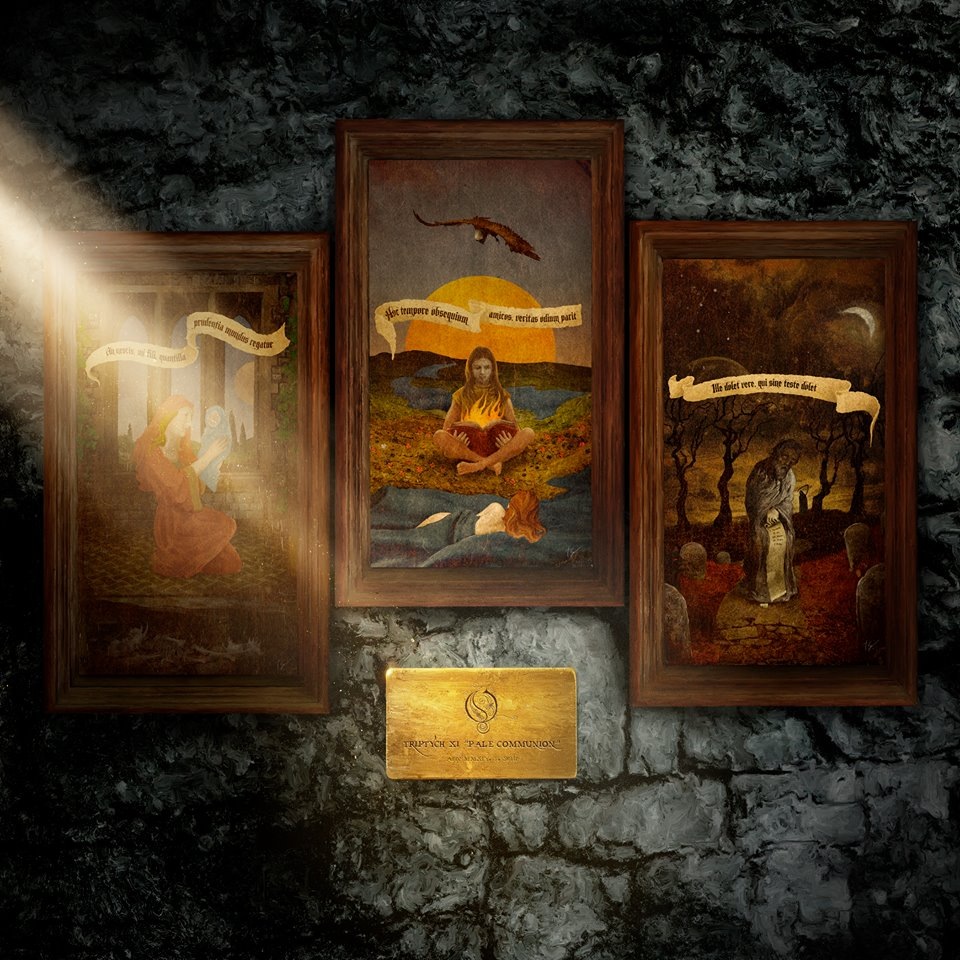
    Opeth Pale Communion Cover
    Opeth Pale Communion Cover

    Opeth Pale Communion Review

    Pale Communion is the eleventh studio album and third progressive rock outing by Opeth. Following on from the Damnation and Heritage albums, Pale Communion sees Opeth once again exploring their progressive rock influences without any traces of their death metal side which thankfully excludes the grunts and growls too. There is also some jazz fusion influence creeping in, which could be due to co-producer and guest backing vocalist Steven Wilson (Porcupine Tree, solo) following his own taking to the genre in the last few years.

    After appearing in a guest role on Heritage’s title track, keyboardist Joakim Svalberg has now joined the ranks of Opeth as a fulltime band member following the departure of Per Wiberg (Spiritual Beggars). The overall sound of Pale Communion is most easily described as a continuation of what is heard on Heritage. The big differences are that Opeth are more confident in embracing their progressive rock roots and the songs are more fine-tuned with many of them having a longer running time to reflect this.

    Like many of the songs on Pale Communion, Cusp of Eternity has a myriad of passages woven together seamlessly but for no reason it ends with a fade out. Given how many directions some songs on Pale Communion take, it almost comes across as Opeth brushing it aside for the ambitious 11 minute Moon Above, Sun Below, which does not feel like it’s half as long as it is.

    Still not content with their new sound, Opeth takes a breather on Elysian Woes by introducing elements of folk music and keeps a steadier pace to bring Michael Akerfeldt’s voice to the front. River is written in the same vein with a stronger emphasis on vocal melodies (which is another major addition to the album that gets its biggest spotlight on Faith in Others) and has a bit of a jam session part way through to mix things up even further.

    Goblin tips its hat to the Italian progressive rock outfit of the same name and is the only instrumental track on Pale Communion. It centres around a steady build up and drummer Martin Axenrot throwing in plenty of short and sharp fills to keep you on your toes. With all the songs before Voice of Treason being much lighter by comparison, it takes an uncharacteristically tense twist that is reminiscent of the song Closure from Opeth’s 2003 album Damnation. The atmospheric keyboard work at the end bridges it with Faith in Others to create a 16 minute 2 part song.

    The complete lack of heavy metal will be a disappointment for long-time fans that haven’t embraced Opeth’s progressive rock side but for the rest of us, it’s another exciting chapter in Opeth’s discography as well as the modern progressive rock scene as it seems that Opeth has its collective heart set on this path for the time being.

    Performers:

    Fredrik Akesson: Guitars, backing vocals
    Mikael Akerfeldt: Vocals, guitars
    Martin Axenrot: Drums, percussion
    Martin Mendez: Bass guitars
    Joakim Svalberg: Keyboards, backing vocals
    Steven Wilson: Backing vocals

    External Links:

    Opeth Homepage
    Opeth on Wikipedia | Pale Communion on Wikipedia
    Opeth on Discogs | Pale Communion on Discogs
    Opeth on Metal Archives | Pale Communion on Metal Archives