Tag: Progressive Rock

  • Queen Greatest Hits (UK Version) Review

    General Information:

    Artist: Queen
    Album: Greatest Hits (UK Version)
    Genre(s): Rock
    Subgenre(s): Art Rock, Progressive Rock
    Released: 1981
    Length: 58 minutes
    Language(s): English
    Label(s): EMI, Parlophone Records, Hollywood Records

    Track List:

    01. Bohemian Rhapsody
    02. Another One Bites the Dust
    03. Killer Queen
    04. Fat Bottomed Girls
    05. Bicycle Race
    06. You’re My Best Friend
    07. Don’t Stop Me Now
    08. Save Me
    09. Crazy Little Thing Called Love
    10. Somebody to Love
    11. Now I’m Here
    12. Good Old-Fashioned Lover Boy
    13. Play the Game
    14. Flash
    15. Seven Seas of Rhye
    16. We Will Rock You
    17. We Are the Champions
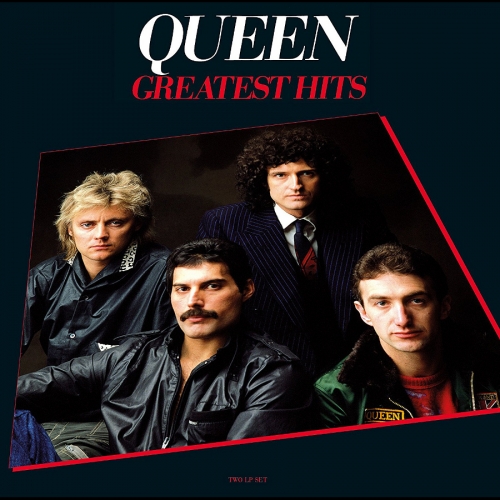
    Queen Greatest Hits UK Version Cover
    Queen Greatest Hits UK Version Cover

    Queen Greatest Hits (UK Version) Review

    Greatest Hits is the first compilation and ‘best of’ album from iconic British rock band Queen. Released in different regions with slightly altered track listings, there isn’t a strictly definitive version of the compilation. The UK version features at least one song from every album from Queen II (1974) through to the Flash Gordon film soundtrack (1980).

    Bohemian Rhapsody is the opening track and was Queen’s first and only number one UK single (1975) when Greatest Hits was released. One would not expect lyrics about committing a murder (Mama, just killed a man/Put a gun against his head/Pulled my trigger, now he’s dead) being executed via the electric chair (Thunderbolt and lightning/Very, very frightening me) and then sent to hell (Beelzebub has a devil put aside for me) to be part of the package.

    Coming from a progressive rock background where song-writing sensibilities demand musical boundaries to be pushed, they are effortlessly married to pop accessibility and rounded off with a flamboyant exuberance rarely found elsewhere. Most notably this is found in the operatic segment of Bohemian Rhapsody, where the nonsense lyrics are spliced between the narrative just for the sake of doing so it seems. The song also lacks a chorus which makes it even more of an oddity in pop music and, yet, this unlikely single became one of the most easily recognised songs in British pop culture.

    Considering that there are songs from 8 different releases on Greatest Hits, and noting Queen’s lack of inhibition when it came to crafting their sound, it should be of no surprise that the songs do not always flow from one to the next effortlessly. What is more remarkable is that everything featured here was released in a short period of 6 years.

    After Bohemian Rhapsody the listener suddenly finds themselves a world apart in the mind numbingly repetitive bass hook from funk rock hit Another One Bites the Dust. More twists and turns ensue with the jovial piano-driven Killer Queen about a call girl and the sentimental You’re My Best Friend was written by bassist John Deacon for his wife. The centre piece of Greatest Hits is the infectious rock ‘n’ roll of Crazy Little Thing Called Love featuring hand claps, an acoustic guitar and Freddie Mercury’s Elvis-inspired performance but the bass is the underlying source of the momentum here. Jumping from that to the gospel arrangement on Somebody to Love or the jaunty nature of Good Old-Fashioned Lover Boy lacks even the pretence of consistency.

    Greatest Hits is concluded with the two iconic anthems from News of the World; We Will Rock You and We Are the Champions. Often cited as a rock anthem, We Will Rock You is actually devoid of rock music entirely until Brian May’s guitar solo at the end. The rest of the song is made up of the instantly recognisable stomp/stomp/clap body percussion arrangement.

    Immediately beyond the realm of a Spartan approach to music, Queen offers an absolute gourmet of songs that are loosely ordered into two halves as the best way to present the eclectic collection. The first is mostly material from Night at the Opera and Jazz whereas the second is divided evenly between Day at the Races, News of the World, Queen II and the ‘Flash’ theme song. Both halves have one song from Sheer Heart Attack and two from The Game, which produced four charting singles from 1979 and 1980, along with ‘Flash’ from the aforementioned film soundtrack.

    Releasing this compilation at such a prosperous time for Queen must have played a big part in not only to the success of Greatest Hits as a business and marketing opportunity, but also in immortalising their contributions to music. Going on to sell over 25 million copies globally, it is one of the best-selling albums of all time and the best-selling album in their home country with 6.3 million copies sold to date.

    For all the inconsistencies one could imagine finding on a compilation album, due to the nature of the format more than anything else, it isn’t necessarily the easiest thing to listen to all the way through. It will give newcomers a good oversight into the first half of Queen’s career and from there, a course can be plotted to specific albums based on any preference they find.

    Ultimately, the flamboyant personality embodied by Queen combined with their immense creativity exemplifies what has made them endure as strongly as they have while attracting listeners, both new and old, to this day.

    Performers:

    Freddie Mercury: Lead vocals, piano, finger snaps, bicycle bells, handclaps, acoustic guitar, organ, synthesizer, foot stomps, co-lead vocals on “Fat Bottomed Girls” (chorus)
    Brian May: Acoustic and electric guitars, backing vocals, bicycle bells, handclaps, piano, synthesizer, foot stomps, co-lead vocals on “Keep Yourself Alive” (bridge)
    Roger Taylor: Acoustic guitar, percussion, backing vocals, timpani, gong, triangle, chimes, bicycle bells, handclaps, woodblocks, tambourine, foot stomps, cowbell, co-lead vocals on “Keep Yourself Alive” (bridge)
    John Deacon: Acoustic, bass and electric guitar, piano, bicycle bells, handclaps, foot stomps

    Additional Performers:

    Mike Stone: Co-lead vocals on “Good Old-Fashioned Lover Boy”
    Roy Thomas Baker: Stylophone on “Seven Seas of Rhye”

    External Links:

    Queen Homepage
    Queen on Wikipedia
    Greatest Hits on Wikipedia

  • Opeth Damnation Review

    General Information:

    Artist: Opeth
    Album: Damnation
    Genre(s): Rock
    Subgenres(s): Progressive Rock, Soft Rock
    Released: 2003
    Length: 43 minutes
    Language(s): English
    Label(s): Music for Nations, Koch Records

    Track List:

    01. Windowpane
    02. In My Time of Need
    03. Death Whispered a Lullaby
    04. Closure
    05. Hope Leaves
    06. To Rid the Disease
    07. Ending Credits
    08. Weakness

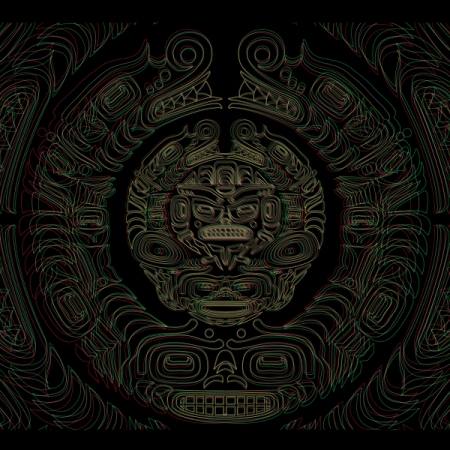
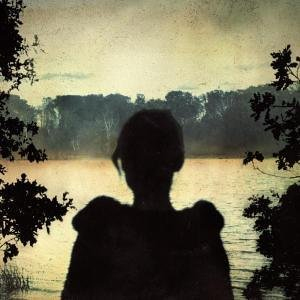
    Opeth Damnation Cover
    Opeth Damnation Cover

    Opeth Damnation Review

    Damnation is the seventh studio album by Swedish band Opeth. Unlike all of their previous albums, Damnation sees the band shedding themselves of their renowned death metal, progressive metal, folk and acoustic music blend for a hybrid of progressive and soft rock. The album is soft to the point that at times it can be seen as pushing the boundaries of what can be considered rock music, progressive influences or not.

    Windowpane sets the tone perfectly with a sound crafted around a central clean-sounding guitar melody that interplays with an acoustic guitar and a steady rock drum beat devoid of metal tempos that give room for the prevailing melancholic mood to take hold. This is further enhanced by the keyboards and is indicative of what Damnation is about. Fans hearing this for the first time, and being familiar with their previous output, will be anticipating the sudden transition to Opeth’s metal sound but that moment will never come. On top of this, vocalist and guitarist Mikael Akerfeldt has also left his death growls in favour of a restrained singing voice that sounds fragile at times. While some fans will have undoubtedly being disappointed by these drastic changes, it would have also been impossible to fit that aggressive vocal style into Damnation and make it work.

    The melancholic mood is a central theme to Damnation and in some ways this helps to paint the album as a by the numbers effort. This is due to the songs, at times, blurring together and losing their distinctive nature when listening from start to finish. Two of the biggest standouts are the minimalist Weakness, which is centred on a subtle keyboard arrangement and is entirely devoid of percussion. Closure, the only song that shakes of the passive sound thoroughly, actively engages the listener in a different way. The tempo picks up as the song progresses and Opeth pushes it even further towards the end to create a total cacophony when put next to the rest of the album. This abruptly cuts out and if you had downloaded this song through one of the illegal file sharing services around at the time Damnation was released you would have thought that the song had been corrupted or was incomplete. This leads directly into Hope Leaves and makes these songs contrast in a way that can be seen an intentional throwback to their previous albums where the acoustic and metal parts can come right after each other. This way of integrating that aspect of Opeth’s character into Damnation is not as well executed as desired, if that is the case, since it is more disjointed than fluid in its delivery.

    It’s difficult for any band to break away from their established sound to explore new ideas but Opeth embrace their progressive rock influences honestly and passionately. This combined with the efforts of co-producer Steven Wilson (Porcupine Tree) on the keyboard and piano rounds off their sound and helped them to realise their vision. Damnation is an important milestone in Opeth’s history and is recommendable to anyone wanting to experience the softer side of rock music.

    Performers:

    Mikael Akerfeldt: Vocals and lead guitar
    Peter Lingren: Rhythm guitar
    Martin Mendez: Bass guitar
    Martin Lopez: Drums

    Additional Performers:

    Steven Wilson: Keyboards, piano, Mellotron, backing vocals

    External Links:

    Opeth Homepage
    Opeth on Wikipedia
    Damnation on Wikipedia

  • The Devin Townsend Project Ki Review

    General Information:

    Artist: The Devin Townsend Project
    Album: Ki
    Genre(s): Rock
    Subgenres(s): Progressive Rock
    Released: 2009
    Length: 107 minutes
    Language(s): English
    Label(s): HevyDevy, Inside Out

    Track List:

    01. A Monday
    02. Coast
    03. Disruptr
    04. Gato
    05. Terminal
    06. Heaven’s End
    07. Ain’t Never Gonna Win
    08. Winter
    09. Trainfire
    10. Lady Helen
    11. Ki
    12. Quiet Riot
    13. Demon League

    The Devin Townsend Project Ki Cover
    The Devin Townsend Project Ki Cover

    The Devin Townsend Project Ki Review

    Ki (pronounced key) is the first of a planned 4 part series by Devin Townsend following a 2 year hiatus from recording music after he found himself uncomfortable with the fact that he had difficulty writing music without drugs. During the hiatus he wrote music that he found fitting into 4 different styles and wanted to create an album for each of them.

    To help him realise this ambitious goal he enlisted a different group of musicians for each album. For Ki he chose long-time collaborator and multi-instrumentalist Dave Young, who provides much of the ambiance as well as drummer Duris Maxwell (Heart, Jefferson Airplane and Skylark) and bassist Jean Savoie who is a member of a Beatles tribute band called The Bobcats as he thought that they would bring a fresh perspective to Ki’s quieter aspects. Devin Townsend himself takes on lead vocal and guitar duties as well as some bass playing and ambiance.

    There are 2 distinct sides to Ki. The first is the moody and introspective music that would be the perfect soundtrack to a quiet winters evening. This is introduced immediately with the minimalist A Monday, which focuses on simple and undistorted guitar playing with some keyboard work to fill in the spaces around it. Other songs like Terminal, Winter and Lady Helen are particularly close to this blueprint in terms of the mood and stripped back musicianship while Coast is slightly more up-tempo, especially towards the end when the music intensifies with layers of voices. Ain’t Never Gonna Win is a loose jam song that never loses the feeling of the other songs mentioned but sounds distinct from everything else in its own right.

    Unfortunately there is also the other side to Ki which is made up of irate songs like Gato, Heaven Send, the title track and the aptly named Disruptr (yes that’s how it’s spelt). They all contain the softer side as well but Devin Townsend’s latent aggression starts to seep through in a controlled way. The loud chugging guitars come in, Devin Townsend shouts and snarls in his distinct way as the songs intensify like at the end of Coast before dissipating into soft ambience once again.

    There are 2 problems with this. The first is that the anger seems to be allowed out in controlled bursts which prevent it from really taking hold of the music and going somewhere of significance. The second is that the different styles are divisive because the moods that they create rub shoulders in an awkward fashion instead of complementing each other. It would have been a much wiser idea to split Ki into 2 separate albums for the sake of consistency if nothing else.

    There are other anomalies such as Quiet Riot, an optimistic sounding folk song that turned out to be a real highlight of the album and I can’t help but wish there was more of this on Ki. Then there’s Trainfire, a tongue-in-cheek rock and roll song with more of the wrath-filled heavy metal segues that eventually gives way to the introverted night time music. This is one of those songs that you’ll either accept as a particularly odd progressive rock song that blends 3 styles of music together or you’ll sit back and think that it’s a train wreck of conflicting ideas. Demon League is another low key song that closes the album while bringing Ki around full circle by revisiting the themes found at the start of the album on A Monday.

    Ki gives the impression that Devin Townsend was fighting with himself over what kind of music he wanted to create and ends up with an odd combination of styles that would have been better suited to 2 separate albums. It’s a bumpy ride because of this but if you are either a fan of Devin Townsend or want to hear something different without having to jump into the deep end it would be an ideal place to start.

    Performers:

    Devin Townsend: Vocals, Guitars, Fretless Bass Guitar, Ambience
    Duris Maxwell: Drums
    Jean Savoie: Bass guitar
    Dave Young: Keyboard, Piano, Ambience

    Additional Musicians:

    Ché Aimee Dorval: – additional vocals
    Ryan Dahle: – additional vocals on Gato
    Bjorn Strid, Peter, Christopher, Grant, Corey, Jeremy, Ryan: additional vocals

    External Links:

    Devin Townsend Homepage
    Devin Townsend on Wikipedia | Ki on Wikipedia

  • Opeth Pale Communion Review

    General Information:

    Artist: Opeth
    Album: Pale Communion
    Genre(s): Rock
    Subgenres(s): Progressive Rock
    Released: 2014
    Length: 56 minutes
    Language(s): English
    Label(s): Roadrunner Records

    Track List:

    01. Eternal Rains Will Come
    02. Cusp of Eternity
    03. Moon Above, Sun Below
    04. Elysian Woes
    05. Goblin
    06. River
    07. Voice of Treason
    08. Faith in Others

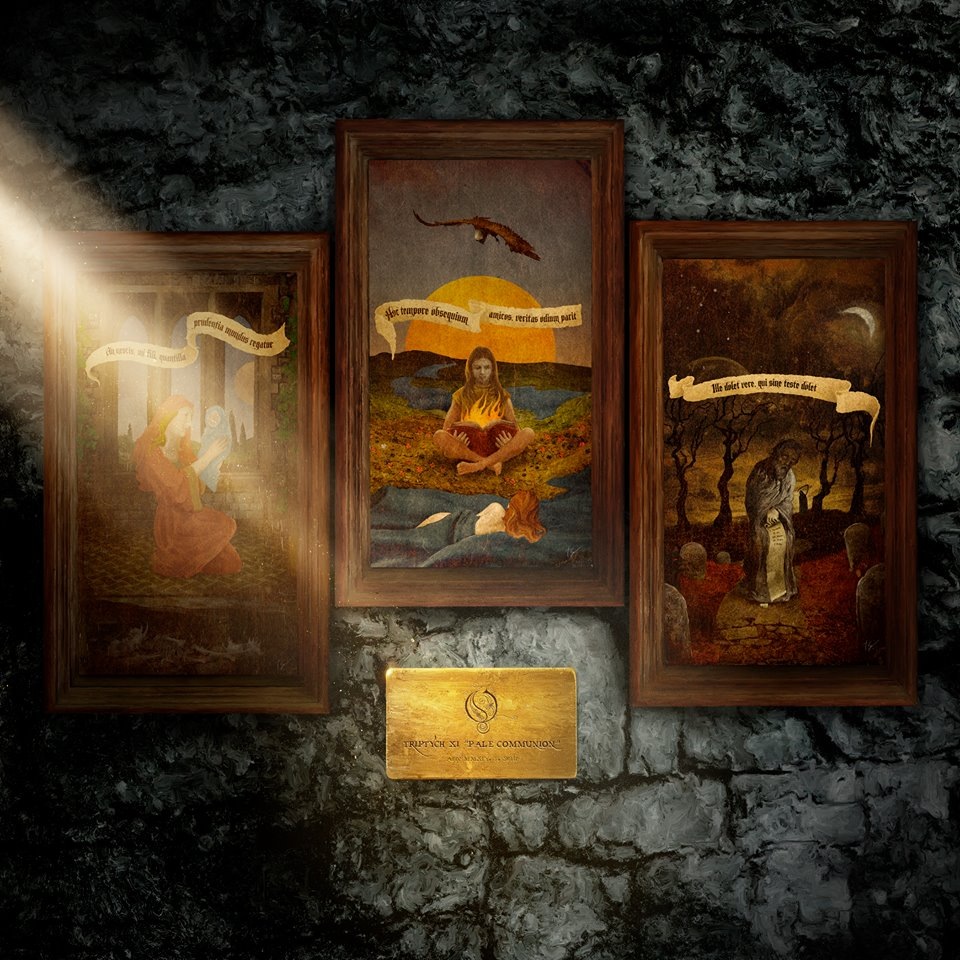
    Opeth Pale Communion Cover
    Opeth Pale Communion Cover

    Opeth Pale Communion Review

    Pale Communion is the eleventh studio album and third progressive rock outing by Opeth. Following on from the Damnation and Heritage albums, Pale Communion sees Opeth once again exploring their progressive rock influences without any traces of their death metal side which thankfully excludes the grunts and growls too. There is also some jazz fusion influence creeping in, which could be due to co-producer and guest backing vocalist Steven Wilson (Porcupine Tree, solo) following his own taking to the genre in the last few years.

    After appearing in a guest role on Heritage’s title track, keyboardist Joakim Svalberg has now joined the ranks of Opeth as a fulltime band member following the departure of Per Wiberg (Spiritual Beggars). The overall sound of Pale Communion is most easily described as a continuation of what is heard on Heritage. The big differences are that Opeth are more confident in embracing their progressive rock roots and the songs are more fine-tuned with many of them having a longer running time to reflect this.

    Like many of the songs on Pale Communion, Cusp of Eternity has a myriad of passages woven together seamlessly but for no reason it ends with a fade out. Given how many directions some songs on Pale Communion take, it almost comes across as Opeth brushing it aside for the ambitious 11 minute Moon Above, Sun Below, which does not feel like it’s half as long as it is.

    Still not content with their new sound, Opeth takes a breather on Elysian Woes by introducing elements of folk music and keeps a steadier pace to bring Michael Akerfeldt’s voice to the front. River is written in the same vein with a stronger emphasis on vocal melodies (which is another major addition to the album that gets its biggest spotlight on Faith in Others) and has a bit of a jam session part way through to mix things up even further.

    Goblin tips its hat to the Italian progressive rock outfit of the same name and is the only instrumental track on Pale Communion. It centres around a steady build up and drummer Martin Axenrot throwing in plenty of short and sharp fills to keep you on your toes. With all the songs before Voice of Treason being much lighter by comparison, it takes an uncharacteristically tense twist that is reminiscent of the song Closure from Opeth’s 2003 album Damnation. The atmospheric keyboard work at the end bridges it with Faith in Others to create a 16 minute 2 part song.

    The complete lack of heavy metal will be a disappointment for long-time fans that haven’t embraced Opeth’s progressive rock side but for the rest of us, it’s another exciting chapter in Opeth’s discography as well as the modern progressive rock scene as it seems that Opeth has its collective heart set on this path for the time being.

    Performers:

    Fredrik Akesson: Guitars, backing vocals
    Mikael Akerfeldt: Vocals, guitars
    Martin Axenrot: Drums, percussion
    Martin Mendez: Bass guitars
    Joakim Svalberg: Keyboards, backing vocals
    Steven Wilson: Backing vocals

    External Links:

    Opeth Homepage
    Opeth on Wikipedia | Pale Communion on Wikipedia
    Opeth on Discogs | Pale Communion on Discogs
    Opeth on Metal Archives | Pale Communion on Metal Archives

  • Green Carnation The Acoustic Verses Review

    Green Carnation The Acoustic Verses

    Artist: Green Carnation
    Album: The Acoustic Verses
    Genre(s): Rock
    Subgenres(s): Art Rock, Progressive Rock
    Released: 2006
    Length: 43 minutes
    Language(s): English
    Label(s): Sublife Records, The End Records

    Track List:

    01. Sweet Leaf
    02. The Burden is Mine… Alone
    03. Maybe
    04. Alone
    05. 9-29-045
    06. Child’s Play (Part 3)
    07. High Tide Waves

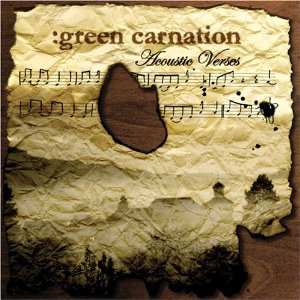
    Green Carnation The Acoustic Verses Cover

    The Acoustic Verses is the 5th and final album by Green Carnation. It shows a drastic shift in sound by taking the soft art rock/progressive rock sound that could be heard on parts of their previous album, The Quiet Offspring, and letting its influence seep out to create an entire album based on that sound. The Acoustic Verses is full of low key melancholic vibrations and unstrained, almost delicate singing from Kjetil Nordhus to match the theme. The Burden is Mine… Alone only consists of an acoustic guitar, keyboard ambiance and straightforward lyrics but it manages to neatly summarises this theme over its short duration.

    While the title of album allures to acoustic instrumentation, there are still some electric instruments used including the bass, keyboard and theremin. The acoustic guitars often take centre stage with the biggest exception being Child’s Play (Part 3). It is the only instrumental piece on The Acoustic Verses and only involves the piano and keyboard. Songs such as Alone and High Tide Waves see Green Carnation go as far as bringing in a string trio (consisting of a violin, viola and cello) to add another dimension to the rich sound of The Acoustic Verses.

    In a throwback to Green Carnation’s knack for writing long songs back in the early stages of their career, they wrote a 15 minute, 3 part suite called 9-29-045 (Part 1 My Greater Cause, Part 2 Homecoming and Part 3 House of Cards). This is at odds with the other songs being that they are between 3 and 5 minutes. Placing it in the middle of the album was certainly a bold move as it could throw off some listeners but Green Carnation pulls it off and melds all the elements of The Acoustic Verses together to make a fluid sonic journey out of it.

    Drummer Tommy Jacksonville deserves a special mention for being able to play a diverse and often subtle role that could have easily gone against the soft nature of the music. The drums haven’t been mixed too loudly which prevents it from overshadowing anything which leaves Green Carnation and your own ears with the best results.

    Long-time fans could be disappointed by the change in sound, or even the lack of distorted heavy metal guitar riffs, but Green Carnation proves to be adept enough to dive headfirst into their new sound that lets the band end their career on a well-deserved high note.

  • Storm Corrosion Storm Corrosion Review

    Storm Corrosion Storm Corrosion Review

    Artist: Storm Corrosion
    Album: Storm Corrosion
    Genre(s): Ambient, Folk, Rock
    Subgenres(s): Dark Ambient, Progressive Rock, Psychedelic Folk
    Released: 2012
    Length: 48 minutes
    Language(s): English
    Label(s): Roadrunner

    Track List:

    01. Drag Ropes
    02. Storm Corrosion
    03. Hag
    04. Happy
    05. Lock Howl
    06. Ljudet Innan

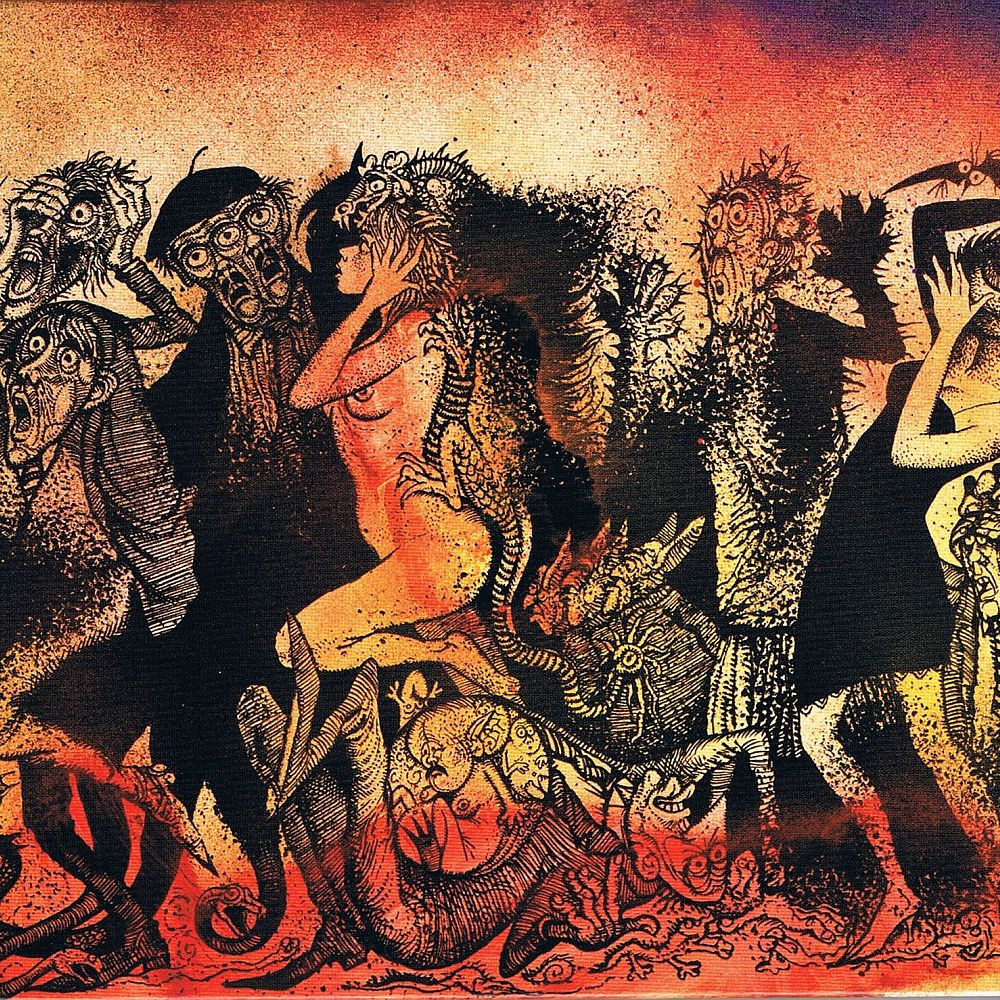
    Storm Corrosion Storm Corrosion Cover

    Storm Corrosion is the long awaited collaborative project between progressive rock/metal stars Steven Wilson (Porcupine Tree, solo) and Michael Akerfeldt (Opeth). Given the background of these 2 prolific musicians you would think that you would have some inkling as to what Storm Corrosion would turn out like but the results are much more unexpected than you’d think. As with a lot of Steven Wilson’s output in the last few years, the music is brooding and dark sounding without strictly sounding like anything either musician has put forward before.

    There are only 6 songs on Storm Corrosion and together they manage to make up a little bit more than the average length of an album. Drag Ropes, Storm Corrosion and Ljudet Innan all clock in at around 10 minutes each and like most of the album, they work around the same tired format; soft guitar lines that keep the rhythm, dark keyboard atmospheres, sparse and infrequent percussion and unstrained singing from both halves of Storm Corrosion.

    Half way through Hag you’ll be treated to a short burst of distorted guitar noise and frenzied drum rolls with plenty of sharp clashes on the cymbals thrown in in an effort to keep your attention and break up the monotony. Lock Howl is the only song with steady use of percussion and while remaining well within the duos ominous criteria, it manages to wake the listener from their slumber before abruptly stopping once they realise that they are in danger of playing something that might be memorable.

    Unlimited artistic freedom isn’t a bad thing in and of itself but when 2 of the current progressive rock/metal scene figureheads get together and produce an album with maybe 20 minutes of material worth hearing you know that something hasn’t hit the marker.

  • Porcupine Tree Deadwing Review

    Porcupine Tree Deadwing Review

    Artist: Porcupine Tree
    Album: Deadwing
    Genre(s): Rock
    Subgenres(s): Progressive Rock
    Released: 2005
    Length: 60 minutes
    Language(s): English
    Label(s): Lava

    Track List:

    01. Deadwing
    02. Shallow
    03. Lazarus
    04. Halo
    05. Arriving Somewhere But Not Here
    06. Mellotron Scratch
    07. Open Car
    08. The Start of Something Beautiful
    09. Glass Arm Shattering

    Porcupine Tree Deadwing Cover

    Deadwing makes for another impressive foray into progressive rock by Porcupine Tree, who used their previous effort, In Absentia, as a blueprint to build off for this album. The brooding soundscapes have been replaced with a dreamlike ambiance created through the heavy presence of keyboards, synthesisers and pianos. The metal-esque guitar tones now resemble a driven, rock-orientated sound, while Steven Wilson’s singing remains firmly in their established passive and unstrained style.

    The rock-centric portion of the album is often mid-paced, while the ambient portion is restrained with steady percussion and subtle bass playing that stops it from drifting into formless soundscape territory. The soft sounding moments are easily recognised on Mellotron Scratch and Glass Arm Shattering as the ambient textures lead them. Many of the songs switch between these styles and because of this, the album rarely stays static. Instead, they opted to create sprawling and imaginative passages with plenty of dynamic changes.

    The different styles are brought together seamlessly over the course of Deadwing and never feel out of place with one another, which is exemplified with Arriving Somewhere But Not Here. This is Deadwings centrepiece and epitomises the albums sound over its 12 minute duration. The length of the song could seem daunting to some, but it builds up and flows into new passages effortlessly to keep the listener interested and comes to an end before you know it.

    Deadwing is an excellent introductory album to the current progressive rock scene. It is also a worthy addition to the already lengthy Porcupine Tree catalogue and easily ranks amongst their strongest and most rounded efforts.

    http://www.youtube.com/watch?v=ug8CWIasWi8

  • Devin Townsend Ziltoid the Omniscient Special Edition Review

    Artist: Devin Townsend
    Album: Ziltoid the Omniscient
    Genre(s): Heavy Metal, Rock
    Subgenres(s): Progressive Metal, Progressive Rock
    Released: 2007
    Length: 54 minutes (CD 1), 14 minutes (CD 2)
    Language(s): English
    Label(s): HevyDevy (Canada), InsideOut Music (Europe), Sony (Japan)

    Track List:

    01. ZTO
    02. By Your Command
    03. Ziltoidia Attaxx!!!
    04. Solar Winds
    05. Hyperdrive
    06. N9
    07. Planet Smasher
    08. Omnidimensional Creator
    09. Color Your World
    10. The Greys
    11. Tall Latte

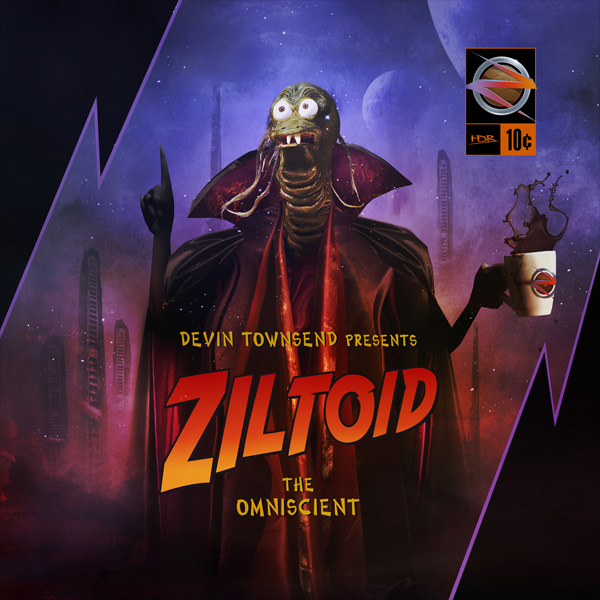
    Devin Townsend Ziltoid the Omniscient Cover

    Devin Townsend Ziltoid the Omniscient Special Edition Review

    Ziltoid the Omniscient is an album that was created, written, produced, recorded, engineered, programmed and mixed almost entirely by Devin Townsend alone. Mastered by Ue Nastasi, additional support was also given by Dave and Mike Young (additional engineering), Fredrik Thordenal (Drums) and The Beav and Dave (additional dialogue). The paragraph below provides an outline of the concept so if you want to avoid any spoilers skip ahead.

    Ziltoid travels to Earth in search of the universes ultimate cup of coffee (as explained in ZTO). Dissatisfied with the brew offered, he goes to war with Earth and sets out to capture the fleeing humans as they leave Earth in search of a way to stop him. Further into the adventure, Ziltoid encounters the Omnidimensional Creator who reveals the truth about his existence that leads to an unexpected conclusion. A more detailed synopsis can be found by reading through the lyrics and supporting text in the albums booklet.

    Townsend showcases his vocal talents through a range of spoken word voices, varying degrees of aggressive singing and shouting mixed with higher pitched and cleanly sung verses. Instrumentally, keyboards are more prominent during the softer moments but they do have some interplay with the metal parts of the songs although they can quickly lose out to the relentless mechanical drumming and synchronised guitar riffs. Songs like By Your Command and Ziltoidia Attaxx, (which is one of the two songs to feature guitar solos, the other being N9) exemplify this style.

    Solar Winds takes a different approach, featuring dramatic keyboard work and soft guitar playing while departing from the percussion entirely for a brief time. Eventually it builds up into a hard rock song before shifting into the hammering metal style again over a 10 minute period. Color Your World has a flawless transition between the metal and soft progressive rock parts that will make you question whether it’s even the same song until a raspy voice slowly roars “Ziltoid… the Omniscient” out of nowhere. Planet Smasher briefly gives the bass time to breathe by plodding alongside the guitar to create a sense of foreboding as it trudges on ominously. Townsend takes this opportunity to show off how deep and guttural he can make his voice, while making it fit the tempo of the song aptly.

    Hyperdrive is probably one of the biggest standout songs on the album because the music has a strong ethereal quality and a repetitive guitar hook that will stay in your head long after the album is over. Townsend’s voice follow suit as he sings in a soft and distant way for most of the song. N9 begins with an intense barrage of drum patterns and the keyboard jumps to the forefront and calls out with a sense of urgency, waking up the listener just in case you were getting too comfortable listening to Hyperdrive. The vocals are delivered in the same way as they are in Hyperdrive, which would makes it a good introductory song to metal for someone who isn’t fond of the harsher singing style but is interested in what can be offered musically.

    Two short interlude-type tracks are present on the album. The mid album Omnidimensional Creator is a dialogue between Ziltoid and the Omnidimensional Creator that disappears as fast as it arrives. The second is the albums closer, Tall Latte, which prevents it from finishing with the bang you’d expect, but it is necessary to finish the story. Other parts of the plot can be missed quite easily as the instruments are made the focal point in the mix and not always the vocals. It’s also worth noting that some of the lyrics are not directly related to the story and could contribute to this problem.

    All in all, Ziltoid the Omniscient is a highly entertaining and unique sounding album that doesn’t neatly fit into a subgenre. It could easily speak for itself based on the musical merits alone but the accompanying story, despite the narrative flaws, is joined with a great sense of humour (something that the metal realm often lacks) and a creative style of song writing that makes it an exciting and memorable listening experience.

    Track List (CD 2):

    01. Don’t Know Why
    02. Travelling Salesman
    03. Another Road

    The special edition CD has three tracks, the latter two of which do not relate to the Ziltoid concept. The first track does and opens with Ziltoid stating “you will hear some terrible, terrible bonus material but you know it’s Ziltoid so it’s fun” and manages to live up to both parts of the statement and the title, with Ziltoid going on a long, unfiltered tangent spanning several subjects in Don’t Know Why.

    Travelling Salesman is an upbeat song with a strong rhythm section and overly loud, punchy drums and slurred lyrics. Another Road features a fuzzed out electric guitar with some lively solos and a metronome ticking away over the top of everything for no discernible reason. Townsend’s voice is placed right at the back of it all for the duration of the song. In summary, the material has some novelty value to it and is worth a listen or two, but it isn’t the kind of thing that you will keep coming back to.

    External Links:

    Devin Townsend Homepage
    Devin Townsend on Wikipedia | Ziltoid the Omniscient Special Edition on Wikipedia
    Devin Townsend on Discogs | Ziltoid the Omniscient Special Edition on Discogs