Tag: Electronic

  • Lights The Listening Review

    General Information:

    Artist: Lights
    Album: The Listening
    Genre(s): Electronic
    Subgenres(s): Synthpop
    Released: 2009
    Length: 43 minutes
    Language(s): English
    Label(s): Universal Music, Sire Records

    Track List:

    01. Saviour
    02. Drive My Soul
    03. River
    04. The Listening
    05. Ice
    06. Pretend
    07. The Last Thing on Your Mind
    08. Second Go
    09. February Air
    10. Face Up
    11. Lions
    12. Quiet
    13. Pretend (Reprise)
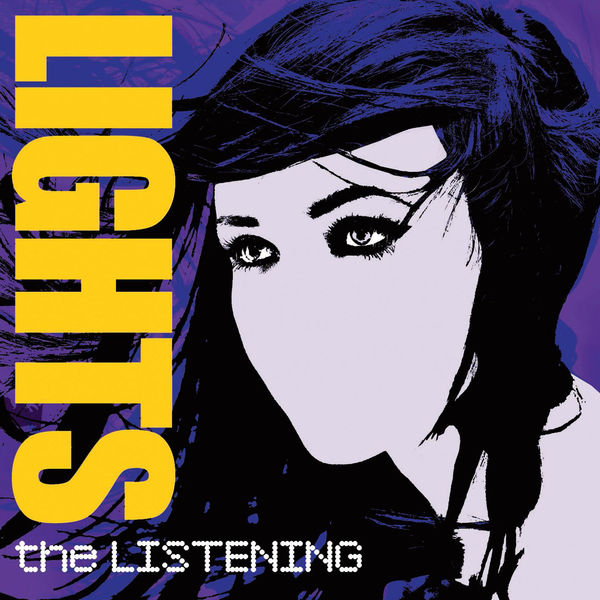
    Lights The Listening Cover
    Lights The Listening Cover

    Lights The Listening Review

    The Listening is the debut album of Canadian synthpop solo artist Lights. It is a low key outing that puts her voice, which is so sickly sweet that it could give you diabetes, at the front and centre of each song. This isn’t inherently a bad thing but the music itself can feel secondary at times and this approach leads itself into a by-the-numbers result when looking at this in the context of a full album.

    Saviour introduces the listener to The Listening and sets the tone nicely while also making use of auto-tune software that isn’t necessary because Lights has a voice that should be able to stand on its own merits. It is also prominent on the title song and its use might simply be a by-product of the pop trend for auto-tuning voices that arose in the mid to late 2000s. All but two songs are under three and a half minutes long so their shortness will lend itself to a good amount of replay value on individual songs rather than as a whole album.

    Both Pretend and The Last Thing on Your Mind take on a downbeat mood and feature an acoustic guitar which adds to the sincerity of the performance with the latter breaking out of the mould further by having a distorted guitar playing in the crescendo to the finale. This also has Lights singing far more intensely over a comparatively rapid paced beat and makes it a standout moment for the album. Being placed in the middle of the album, it is a good way to break up the pacing although it would have made for a better closing song.
    Lights sounds rabid in her choppy delivery of the second verse of Ice and combined with the frantic synthesiser part that follows it, it quickly becomes a stand out moment like Pretend (Reprise), a reimagining of Pretend as a piano ballad that strips away all of the polish associated with the synthpop sound and gives a glimpse into another side to Lights.

    Many listeners will undoubtedly be won over by Lights’ voice alone but since The Listening has Lights and her co-producers working within certain parameters and only ever tip-toe across the line, which is what yields some of their best results, it shows that there is room for growth.

    Performers:

    Lights: Vocals, production (all tracks)
    Thomas Salter: Production (tracks 1–3, 5, 6, 10, 11, 14, 15)
    Dave Thomson: Production (tracks 4, 7–9, 12, 16)
    The Angry Kids: Additional production (track 15)

    External Links:

    Lights Homepage
    Lights on Wikipedia
    The Listening on Wikipedia
  • Mortiis The Smell of Rain Review

    General Information:

    Artist: Mortiis
    Album: The Smell of Rain
    Genre(s): Electronic
    Subgenres(s): Synthpop
    Released: 2001
    Length: 51 minutes
    Language(s): English
    Label(s): Earache Records

    Track List:

    01. Scar Trek/Parasite God
    02. Flux/Mental Maelstrom
    03. Spirit in a Vacuum
    04. Monolith
    05. You Put a Hex on Me
    06. Everyone Leaves
    07. Marshland
    08. Antimental
    09. Smell the Witch

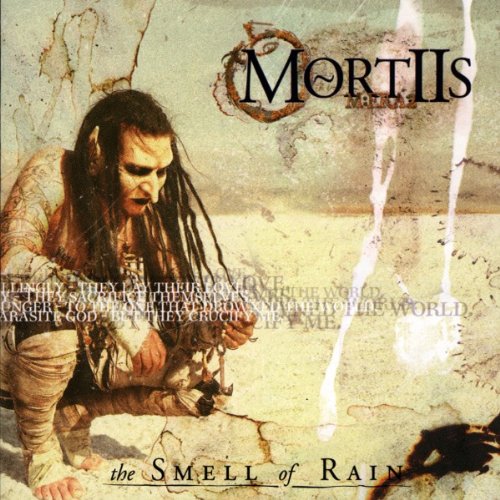
    Mortiis The Smell of Rain Cover
    Mortiis The Smell of Rain Cover

    Mortiis The Smell of Rain Review

    The Smell of Rain is the 6th studio album by Norwegian solo artist Mortiis. This also marks the first and only entry of “Era 2” Mortiis in which he makes an unexpected transition from dark ambient music to synthpop.

    This is also the first album wherein Mortiis assumes the role as lead vocalist and while he doesn’t possess the same vocal range or confidence that comes along further into his career, it’s not enough to outright dismiss his performance either. He also enlists additional vocalists including Sarah Jezebel Deva, of Cradle of Filth and Therion fame, for dramatic choral and solo arrangements that are laced together with straightforward distorted guitar work.

    Scar Trek/Parasite God addresses contempt for God as Mortiis decries peoples willingness to “…sacrifice themselves/to the locust master, to the one that drowned the world” while saying “yet they crucify me,” presumably for having a simple difference of opinion on theological concerns. Many of the lyrics in other songs revolve around themes of alienation and angst while the final song, Smell the Witch, is more fantasy themed and less detailed in its narrative by comparison.

    This is then followed by a two-part song found in Flux/Mental Maelstrom and Spirit in a Vacuum, which adds up to nearly 12 minutes between them, showing that Mortiis hasn’t lost his penchant for longer compositions in their entirety just yet. The long durations of many songs found on The Smell of Rain is also a point of contention due to the fact that they simply don’t need to be as long as they are and a more refined approach would have gone a long way in streamlining the overall presentation of the album.

    Monolith breaks the synthpop framework for a dramatic piano and percussion driven number that brings the distorted guitar to the forefront for the bridge of the song and Everyone Leaves is a depressing synth-driven ballad that shows Mortiis at his most defeated as he describes the futility of loss found in the refrain in which he states “everyone leaves. In the end. Everything dies. In the end. It doesn’t matter how hard you hold on.” The build-up in the last minute of the latter song is merciful after around 6 minutes of mope but this song is easily the most stretched out.

    Thankfully Mortiis bounces back from Everyone Leaves, particularly on Antimental and Smell the Witch. Both songs feature a cello and violin combined with the synthpop sound Mortiis has crafted but they are far more dramatic and intense than the other songs found on this album. The ending of the final track (Smell the Witch) is sudden but fitting and it will leave you with a good impression of The Smell of Rain, which will have undoubtedly alienated plenty of long-time Mortiis fans on its release but it is an important step in his musical evolution.

    Performers:

    Mortiis: Lead vocal, keyboards, synthesizers, synth programming, drum programming
    Martina Binder: Additional lead vocal
    Sarah Jezebel Deva: Vocal harmonies, soprano vocals
    Mika Lindberg, “Raptor”, Suvi-Tuulia Virtanen: Alto vocals
    Chris A: Guitars
    Alzahr: Bass
    Staffan Wieslander, Asa Anveden: Cello
    Cecilia Lindgren, Johanna Wetter: Violin
    Frederik Bergstrom: Tympani, percussion

    External Links:

    Mortiis Homepage
    Mortiis on Wikipedia
    The Smell of Rain on Wikipedia

  • Leaether Strip Civil Disobedience Review

    General Information:

    Artist: Leaether Strip
    Album: Civil Disobedience
    Genre(s): Electronic
    Subgenres(s): Electronic Body Music (EBM)
    Released: 2008
    Length: 69 minutes (CD 1), 72 minutes (CD 2)
    Language(s): English, German
    Label(s): Alfa Matrix

    Track List (CD 1):

    01. Civil Disobedience
    02. The Damaged People
    03. When Blood Runs Dark
    04. Bite Until You Taste Blood
    05. Jagtvej 69
    06. Going Nowhere
    07. I Said I’m Sorry
    08. Pissing on My Territory
    09. It Hurts Doesn’t It
    10. One Day
    11. The Devil’s Daughter

    Track List (CD 2):

    01. A Whore for Jesus
    02. I Wear Black on the Inside
    03. Machineries of Joy (Die Krupps Cover)
    04. Snakebite
    05. Soul Collector
    06. Could Ya, Did Ya
    07. In the Arms of a Demon
    08. One More Reason
    09. The Cradle of Death
    10. Stains
    11. The Evil in Putin’s Eyes

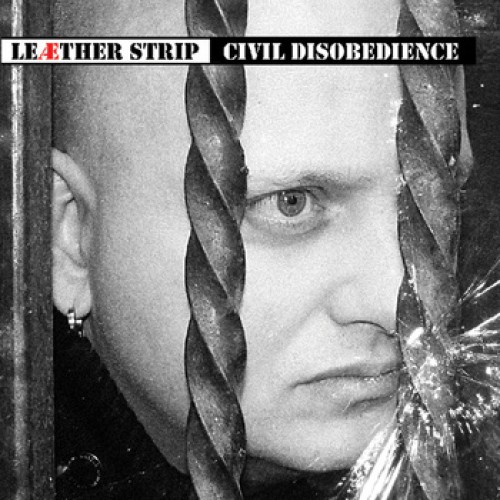
    Leaether Strip Civil Disobedience Cover
    Leaether Strip Civil Disobedience Cover

    Leaether Strip Civil Disobedience Review

    Civil Disobedience is the 11th studio album (and second double album) by Danish Electronic Body Music (EBM) artist Leaether Strip. Claus Larsen, the sole architect behind Leaether Strip, guarantees two things with Civil Disobedience with the first being a tour-de-force in aggressive dance music paired with subversive lyrics that paint a grim reality.

    This is noteworthy early on with The Damaged People, wherein Claus Larsen lists off vignettes of suffering ranging from “the village idiot who made us laugh/until he raped a girl behind the bike shed” to “the dead man on the second floor/no one noticed he was gone until the smell came” and “the gay teenager killing himself/because his parents told him what the world does to faggots”. The last of those could possibly be a reference to his teenage years in which he was in danger of taking his life*.

    On the first CD Claus Larsen’s voice ranges from confrontational snarls and shouts to outraged cries of distress (on Going Nowhere in particular) but on the second CD he often sounds more even tempered by comparison. The distorted vocal effects are still implemented across Civil Disobedience in varying degrees to compliment the militant attitude of the music. Some songs also contain voice samples to introduce a lyrical theme with The Cradle of Death, from the second CD, being the most explicit as it is presumably a recording of a soldier or journalist who recalls seeing “scores of people who had been killed, women who had been gang-raped” to “men who had been castrated and been left to bleed to death” … “those are things that we would see nearly every day”.

    On the surface you could accuse Claus Larsen of using mere shock value to grab some attention but at the same time it’s entirely possible that this is the result of someone venting his own frustrations with the troubled world he observes. On the politically conscious title track he observes that “politicians use unfair tactics/to scare the people with convenient lies/they want two sides to go against each other/to make us pick the side they want” and Jagtvej 69 addresses the riots in Copenhagen, Denmark in 2007 following the closure and demolition of the Ungdomshuset (The Youth House).

    Tired and true loud/soft dynamics with a heavier industrial music influence are used to up the aggressive ante on this song. Starting with a sample of protesters shouting and chanting, the soft piano motif poignantly overlaps them only to be cut down by caustic industrial stylings before it abruptly stops for a haunting solo vocal performance with only soft crackling noises of a fire to create a tense yet sombre atmosphere. The electronic elements are also present in other parts of the song and when they’re used subtly alongside the piano the end result is unquestionably one of Civil Disobedience’s finest moments.

    Could Ya, Did Ya is an electro-industrial flavoured song that brings the electric guitar to the forefront and begins with a sarcastic sit-com skit whereas Stains takes a rather gothic twist with an organ arrangement that goes on for a good 3 minutes before the thumping dance beats reappear. There is also a cover of Machineries of Joy, originally by Die Krupps, on the second CD that is sung in both English and German but doesn’t forgo the awkward moaning sounds and manages to be about 2 minutes longer than the original. This leads right into the second guarantee of the Civil Disobedience album: the unholy length of each CD.

    The running time of the first CD is 69 minutes and the second is 72 minutes. Matters aren’t helped by the fact that on average each song is nearly 6.5 minutes long so not only will each CD test your patience, there is also the practical question of having the time to be able to sit down and listen to either half properly.

    These are some obvious negatives that could have easily been addressed by releasing each CD as a separate album or by shortening some of the songs because the likes of Pissing on My Territory is the shortest song on the album (4 minutes and 43 seconds compared to several that are between 6 and 8 minutes) yet it has some of the most replay value for this very reason.

    While Civil Disobedience can feel stretched out on both halves of the album, it shouldn’t diminish the positive qualities found in the dark lyricism that is melded with the spirit of punk rock, particularly in the vocal department, and aggressive dance music because it is a powerful combination that deserves a larger spotlight.

    Performers:

    Claus Larsen: Singer, songwriter, performer

    External Links:

    Leaether Strip Homepage
    Leaether Strip on Wikipedia
    Civil Disobedience on Wikipedia

    * http://www.phxgoth.com/leaether-strip-interview/ “I was a troubled gay teen on the closet, in danger of taking my own life”.

  • Ulver Metamorphosis Review

    General Information:

    Artist: Ulver
    Album: Metamorphosis
    Genre(s): Ambient, Electronic, Trip Hop
    Subgenres(s): Dark Ambient, Trance
    Released: 1999
    Length: 25 minutes
    Language(s): English
    Label(s): Jester Records

    Track List:

    01. Of Wolves and Vibrancy
    02. Gnosis
    03. Limbo Central (Theme from Perdition City)
    04. Of Wolves and Withdrawal

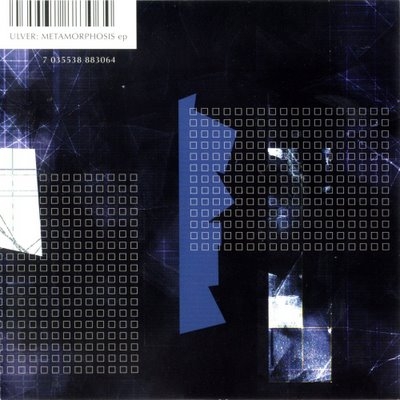
    Ulver Metamorphosis Cover
    Ulver Metamorphosis Cover

    Ulver Metamorphosis Review

    Metamorphosis is the first EP by Ulver. Following the release of the diverse “Themes from William Blake’s The Marriage of Heaven and Hell” double album a year earlier, Metamorphosis acts as both a stepping stone in the bands musical legacy and as a statement to their fans – more specifically the fans of their metal albums who didn’t like Ulver’s change in direction. Before you get to the music you can find a message in the CD case stating that “Ulver is obviously not a black metal band and does not wish to be stigmatized as such…” to try and cut ties with the heavy metal community as it becomes quite evident that they no longer want to play metal or be associated with the scene any longer since the Themes album apparently didn’t send a clear enough message.

    In the event that the written message got overlooked Ulver went out of their way to shake off any lingering detractors and made it as clear as possible by writing an all-out trance song called Of Wolves and Vibrancy to start the EP. After starting with some moody ambience the song proves to live up to its name when it kicks into life and since it is the only trance song in their catalogue, it gives the distinct impression of being a statement to further separate them from the heavy metal scene.

    Another twist comes with the second song, Gnosis, which combines dark ambient with trip hop and features lyrics from Bad Blood, a poem by the French author Rimbaud. For Ulver’s take on the poem it is sung entirely in English by Kristoffer Rygg who worked under the pseudonym Trickster G. on this EP. It is the only song to contain any vocals and Limbo Central (Theme from Perdition City) is another trip hop song with a more abrasive and experimental edge. As implied by the songs subtitle, this is the genre that would be embraced on their next album, Perdition City.

    Of Wolves and Vibrancy is an up tempo song, as implied by the name, so it follows on that Of Wolves and Withdrawal would be subdued in comparison. This proves to be true as Ulver crafted a 9 minute dark ambient song that is nearly impossible to hear unless you turn your speakers all the way up. You half expect a sudden dramatic shift in sound that will deafen you because of this as well as the eerie nature of the song, which doesn’t do you any favours in this respect. The song ebbs along slowly and proves to be a convincing effort but the decision to make the recording so quiet for one song is still questionable.

    There aren’t any stepping stones between Ulver’s black metal/folk era and their Themes album so in this instance the Metamorphosis EP gives the listener an opportunity to look at their transformation and embracement of electronically produced music. If nothing else this EP, which spans 3 distinct genres, proves that Ulver are more like chameleons than their namesake (wolves in Norwegian) at this point in their career.

    Performers:

    Trickster G: Various instruments
    Tore Ylwizaker: Various instruments
    Havard Jorgensen: Various instruments

    External Links:

    Ulver Homepage
    Ulver on Wikipedia
    Metamorphosis on Wikipedia

  • Front Line Assembly Echogenetic Review

    General Information:

    Artist: Front Line Assembly
    Album: Echogenetic
    Genre(s): Electronic, Electro-Industrial
    Subgenres(s): Dubstep
    Released: 2013
    Length: 58 minutes
    Language(s): English
    Label(s): Dependent Records, Metropolis Records

    Track List:

    01. Resonance
    02. Levelled
    03. Killing Grounds
    04. Blood
    05. Deadened
    06. Ghosts
    07. Echogenetic
    08. Exhale
    09. Exo
    10. Prototype
    11. Heartquake

    Front Line Assembly Echogenetic Cover
    Front Line Assembly Echogenetic Cover

    Front Line Assembly Echogenetic Review

    With Echogenetic, Front Line Assembly has fully embraced their dubstep influences that first came about on the Airmech soundtrack from the previous year and they’ve made it central to their sound this time around. It’s a natural progression to what they were already experimenting with so this development shouldn’t come across as that much of a shock to most fans.

    The electric guitars featured in many of their other albums are absent entirely and while Front Line Assembly have retained their grotty industrial aesthetic that conjures up scenes from a decaying dystopian city, the direction that the music has taken is accessible without having to latch onto the “brostep” style of artists like Skrillex or Excision so hardcore fans can rest assured that the band are still very much themselves.

    A new dynamic within the group has clearly influenced their direction. Along with Bill Leeb and long-time collaborators Jeremy Inkel and Jared Slingerland, they reunited with Craig Johnsen and Sasha Keevill who both contributed to the Airmech soundtrack. For Echogenetic they worked in 2 separate groups consisting of Jeremy Inkel and Sasha Keevill in the first and then Jared Slingerland and Craig Johnsen in the second with Bill Leeb jumping between them. Every few weeks all 5 contributors got together to go over the material to critique it and add new elements to the songs.

    Killing Grounds exemplifies what Front Line Assembly is capable of doing within dubstep as this song in particular has plenty of momentum and memorable moments. Some other songs lack the immediate appeal that you easily recognise here so they take a bit more time to grow on you. On the other end of the spectrum is Prototype, an instrumental that could have been accurately retitled Archetype. It’s packed full of interesting twists and turns while avoiding any and all accusations of being comfortable background noise because it is something that commands your attention.

    Echogenetic is a focused effort that should have been shook up with more varied tempos or even by bringing back the guitars for a few songs to avoid this pleasant plateau that the band seems to have found themselves on although this unlikely fusion of genres also makes for an interesting album beyond any novelty you could associate with it.

    Performers:

    Bill Leeb: Vocals, Electronic instruments
    Jeremy Inkel: Electronic instruments
    Jared Slingerland: Electronic instruments
    Craig Johnsen: Electronic instruments
    Sasha Keevill: Electronic instruments

    External Links:

    Front Line Assembly Homepage
    Front Line Assembly on Wikipedia
    Echogenetic on Wikipedia

  • Ulver Perdition City Review

    Ulver Perdition City Review

    Artist: Ulver
    Album: Perdition City
    Genre(s): Electronic
    Subgenres(s): Trip Hop
    Released: 2000
    Length: 54 minutes
    Language(s): English
    Label(s): Jester Records

    Track List:

    01. Lost in Moments
    02. Porn Pieces or the Scars of Cold Kisses
    03. Hallways of Always
    04. Tomorrow Never Knows
    05. The Future Sound of Music
    06. We Are the Dead
    07. Dead City Centres
    08. Catalept
    09. Nowhere/Catastrophe

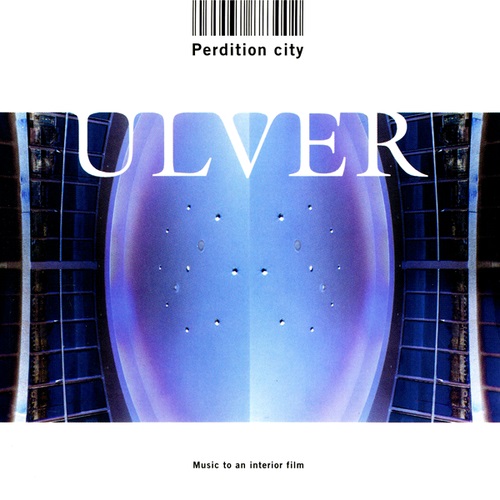
    Ulver Perdition City Cover

    Perdition City is the first full electronic album by genre hoppers Ulver. After dabbling with electronic music for their experimental album Themes from William Blake’s The Marriage of Heaven and Hell, they followed up with the aptly titled Metamorphosis in 1999 and a year later released Perdition City, the culmination of their musical progression.

    Ulver settled on trip hop to form the foundation of Perdition City and being the experimentalists that they are, they weren’t able to settle for a single sound and chose to incorporate elements of jazz music on certain songs that make for an interesting fusion of genres that work to the advantage of Perdition City.

    Unfortunately the knack Ulver has for experimenting goes awry with the introduction of We Are the Dead, a haunting dark ambient/spoken word song that spills over into Dead City Centres to make a 2 part song that ends with the audio of a fake film trailer. While not inherently bad on their own, they disrupt the flow of Perdition City and you’ll want to skip over them on future listens.

    Ulver then goes off at the deep end with Catalept, which is just a retitle of the song Prelude from the 1960 film Psycho with a simplistic drum beat slapped over the top. Much like the fake film trailer at the end of Dead City Centres, it is poor quality filler material and does nothing but hinder Perdition City.

    Thankfully The Future Sound of Music shows Ulver’s experimental tendencies moving in the right direction. It starts out as another unsuspecting trip hop song that suddenly explodes into an overdriven barrage of intense hammer-like percussion and warped noises. It lives up to its name and there is no other song on Perdition City or any other album that comes close to mimicking it.

    Ulver explored and even reinvented the trip hop sound in some instances on Perdition City. It is a shame that they never made a follow up trip hop album to refine and expand on this sound before moving onto another genre. They let the music do the talking for the most part and in doing so, they flow between rich and varied instrumental passages complemented by the jazz tinged moment that explore their introverted moods, or interior music as the albums subtitle allures to, in great depth.

  • Fall of Icarus Endorphin Review

    Fall of Icarus Endorphin Review

    Artist: Fall of Icarus
    Album: Endorphin
    Genre(s): Electronic
    Subgenres(s): Dubstep
    Released: 2013
    Length: 17 minutes
    Language(s): English, German
    Label(s): N/A

    Track List:

    01. Filthy Souls
    02. Raining (Fall of Icarus Remix)
    03. Morphine
    04. Hellsing

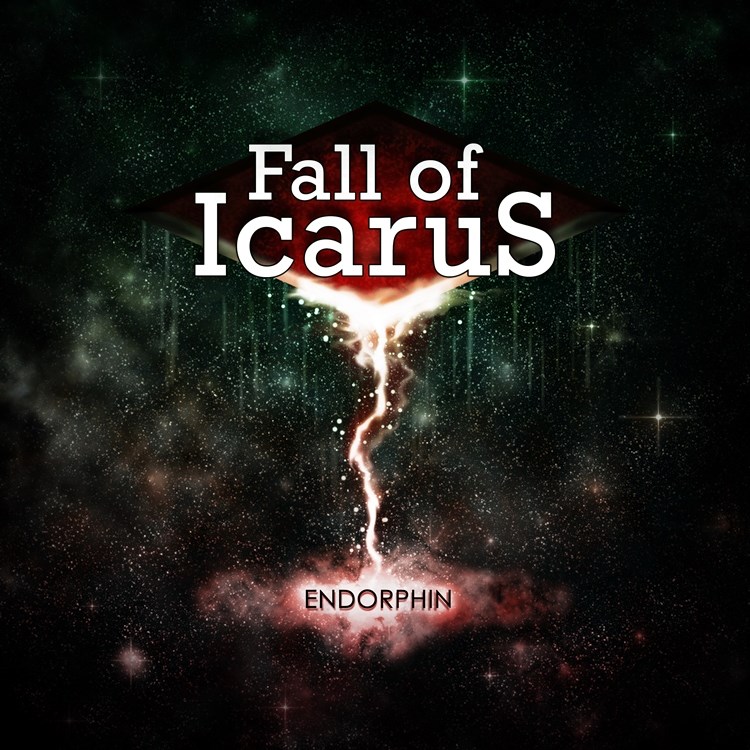
    Fall of Icarus Endorphin Cover

    Endorphin is a free EP by Austrian musician Fall of Icarus. In his 4 short songs he demonstrates his willingness to surf the dubstep tidal wave while avoiding being narrowly pigeonholed by borrowing elements of other genres to throw in his melting pot of ideas.

    The EP kicks off with Filthy Souls, taking its name and dialogue from the fictional film Angels with Filthy Souls from Home Alone and puts it against his music to create a short audio theatre introduction in a similar style to that used for Internet Friends by Knife Party. The soft natured Raining moves Fall of Icarus in a subdued direction with a singer to match before being replaced with jarring bass wobbles inspired by dubstep figurehead Skrillex.

    Like the 2 pervious songs, Morphine includes a number of samples from different sources but unlike the obscure and creative choice for Filthy Souls it brandishes chopped up and pitch shifted voices and a dog barking, something that didn’t work favourably on Pink Floyd’s Seamus either. Endorphin is brought to its conclusion with the claustrophobic atmosphere of Hellsing and enough chaotic bass noises to cause a sensory overload and crack a few of windows.

    Endorphin could have been streamlined by removing some unnecessary samples and sound effects but as far as EPs go in giving a quick demonstration of what a musician can do, Fall of Icarus manages to do just that. He is an aspiring young musician looking for his own direction but he has the means and drive to carve out a name for himself given more time.

  • Chase and Status No More Idols Review

    Chase and Status No More Idols Review

    Artist: Chase and Status
    Album: No More Idols
    Genre(s): Electronic, Hip Hop
    Subgenres(s): Drum and Bass, Dubstep, Grime
    Released: 2011
    Length: 59 minutes
    Language(s): English
    Label(s): Mercury, Vertigo

    Track List:

    01. No Problem
    02. Fire in Your Eyes (feat. Maverick Sabre)
    03. Let You Go (feat. Mali)
    04. Blind Faith (feat. Liam Bailey)
    05. Fool Yourself (feat. Plan B & Rage)
    06. Hypest Hype (feat. Tempa T)
    07. Hitz (feat. Tinie Tempah)
    08. Heavy (vs. Dizzee Rascal)
    09. Brixton Briefcase (feat. Cee-Lo Green)
    10. Hocus Pocus
    11. Flashing Lights (with Sub Focus feat. Takura)
    12. Embrace (feat. White Lies)
    13. Time (feat. Delilah)
    14. Midnight Caller (feat. Clare Maguire)
    15. End Credits (feat. Plan B)

    Chase and Status No More Idols Cover

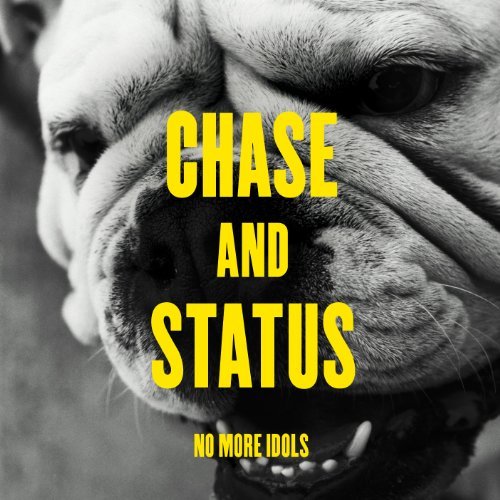
    No More Idols is the second album by British duo Chase and Status. For almost every song they have enlisted a different singer, which is a good way to draw some attention to themselves with the likes of Plan B, Cee-Lo Green and Dizzee Rascal all making appearances but this ultimately backfires and makes No More Idols sounds like a compilation rather than an original studio album.

    Each song sounds like it was written specifically with the singer in mind, turning No More Idols into a commercialised portfolio for Chase and Status to show off their creative muscles by jumping between drum and bass, dubstep and hip hop to display their versatility as producers. The songs have been roughly arranged into 3 different styles; starting out with dance orientated songs that transition into the rap inspired portion of the album before tailing off into some quieter, ballad-esque songs as the album winds down.

    As individual songs they are accessible to a wide audience but when they are put together to form a whole album it immediately turns into a disjointed collection that lost focus the moment producers Chase and Status enlisted an all-star cast to front their efforts.

  • Team Sleep Team Sleep Review

    Team Sleep Team Sleep Review

    Artist: Team Sleep
    Album: Team Sleep
    Genre(s): Electronic, Rock
    Subgenres(s): Trip Hop, Trip Rock
    Released: 2005
    Length: 54 minutes
    Language(s): English, French
    Label(s): Maverick Records

    Track List:

    01. Ataraxia
    02. Ever (Foreign Flag)
    03. Your Skull is Red
    04. Princeton Review
    05. Blvd. Nights
    06. Delorian
    07. Our Ride to the Rectory
    08. Tomb of Liegia
    09. Elizabeth
    10. Staring at the Queen
    11. Ever Since WWI
    12. King Diamond
    13. Live from the Stage
    14. Paris Arm
    15. 11/11

    Team Sleep Team Sleep Cover

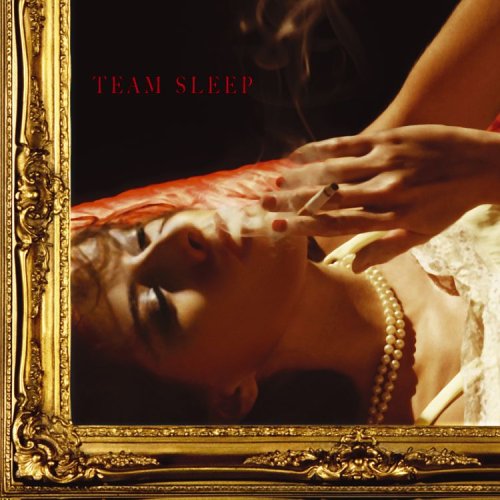
    Team Sleep is the self-titled debut album and end result of an extensive collaborative project that manages to pull together a myriad of influences ranging from shoegaze, post rock, dream pop, instrumental hip hop and glitch music. When combined, these influences are used to create a low key trip hop/trip rock album that focuses on ambience and textures with an experimental edge rather than big choruses or flashy instrumental leads.

    The trip hop/trip rock songs that make up about 2/3 of the album are abruptly broken up by the more experimental and challenging songs littered through the track listing. The post rock/shoegaze styling of Your Skull is Red and Blvd. Nights will make you feel like you’re being swept under by a tidal wave of noise.

    In contrast, the hip hop and glitch inspired song Staring at the Queen features programmed percussion that clangs around like a lumbering machine and is rounded off with skipping and looping effects in an effort to make it sound as dysfunctional as possible. King Diamond on the other hand uses samples of Chino Moreno and Mary Timony to create an odd spoken word collage with a similar musical style. While arguably not the highlights of Team Sleep, they are certainly memorable.

    Paris Arm is a straightforward love song that is unexpectedly sung entirely in French by Sandy Lakdar, who is not credited in the album booklet but does get mentioned on the Team Sleep homepage. It is also one of the shortest songs on the album, only outstretching the interlude Delorian by 9 seconds.

    While the brooding ambiance makes Team Sleep a suitable soundtrack for the small hours, the noisy post-rock/shoegaze and glitchy hip hop inspired songs will provide enough variation to stop the songs from running together.

  • Free the Robots Free the Robots Review

    Free the Robots Free the Robots Review

    Artist: Free the Robots
    Album: Free the Robots
    Genre(s): Electronic
    Subgenres(s): Trip Hop
    Released: 2007
    Length: 23 minutes
    Language(s): English
    Label(s): Elsewhere Studios

    Track List:

    01. Listen to the Future
    02. Diary
    03. Jazzhole
    04. Yoga Fire
    05. Lonely Traveller
    06. Session Two

    Free the Robots Cover

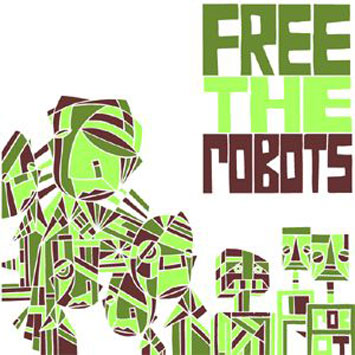
    Free the Robots is the first EP by Chris Alfaro to be released under his pseudonym Free the Robots. The self-titled EP shows elements of ambient, jazz and hip hop being brought together to create a short yet highly imaginative collection of songs under the trip hop banner.

    While largely an instrumental effort, there are some sparse vocal arrangements delivered in a variety of ways over the course of the 6 songs. A delicate balance with the music is struck that allows for the vocals to be listened to actively or as a background part to the music. Yoga Fire is the only song to features female singing and is an upbeat, psychedelic song. It is just shy of the 3 minute marker and is the shortest song on Free the Robots.

    Some sampled instruments including a saxophone and a piano can be heard on the 2 jazz inspired songs, Jazzhole and Session Two. Listen to the Future, Diary and Lonely Traveller take on a different sound altogether and instead show off the ambient themes of the EP while featuring a strong percussive backing.

    There are a lot of ideas that have been put into practice for the first Free the Robots release, but nothing on it sounds overbearing or forced given its short duration. Instead it is a celebration of diverse genres being reassembled to create something original and exciting.

  • Atari Teenage Riot Is This Hyperreal Review

    Artist: Atari Teenage Riot
    Album: Is This Hyperreal?
    Genre(s): Electronic, Rock
    Subgenres(s): Digital Hardcore
    Released: 2011
    Length: 43 minutes
    Language(s): English, German
    Label(s): Digital Hardcore Recordings, Dim Mak Records

    Track List:

    01. Activate
    02. Blood in My Eyes
    03. Black Flags
    04. Is This Hyperreal?
    05. Codebreaker (feat. Steve Aoki)
    06. Shadow Identity
    07. Rearrange Your Synapses
    08. Digital Decay
    09. The Only Slight Glimmer of Hope
    10. Collapse of History

    Atari Teenage Riot Is This Hyperreal Cover

    Atari Teenage Riot Is This Hyperreal Review

    Is This Hyperreal is Atari Teenage Riot’s first album after a decade long hiatus and continues in the exact same fashion as they left off; setting out to create a furious wall of oppressive noise that is achieved by melding hardcore punk, techno and breakcore while covering it in a blanket of distortion just in case there was a chance that some part of the album could be considered an easy listening experience.

    Male and female vocal duties are shared between digital hardcore pioneer Alec Empire and newcomer Nic Endo respectively, although Endo does become the primary voice on the album as it progresses. Not surprisingly, the vocals are also drenched in distortion whereas the lyrics are unfortunately reduced to blathering repetitive, half-baked pseudo-political rhetoric and social commentaries without any deep meaning or discernible thought process behind them.

    Shadow Identity features one of the few relaxed moments on the album and has softly sung passage performed by Endo towards the end. It breaks up the pace nicely before Rearrange Your Synapses interjects itself with Alec Empire spouting out angry ramblings in the style of a street protester bellowing into a megaphone. This happens just before the song turns into something at could only be described as the soundtrack to a panic attack. It features a few illeisms that are present in Black Flags and the title track as well.

    Atari Teenage Riot manages to mix several genres together in a cohesive and exciting manner but let themselves down with poorly thought out lyrics that are often pushed to the front of each song. They do not offer any real insight or solutions to the problems addressed which become tiresome quickly. If this was an instrumental album then it would most likely be viewed in a completely different light.

    Atari Teenage Riot Homepage (contains flashing lights)
    Atari Teenage Riot on Wikipedia | Is This Hyperreal? on Wikipedia
    Atari Teenage Riot on Discogs | Is This Hyperreal? on Discogs

  • SPY What the Future Holds Review

    Artist: SPY
    Album: What the Future Holds
    Genre(s): Electronic
    Subgenres(s): Drum and Bass, Liquid Funk
    Released: 2012
    Length: 73 minutes
    Language(s): English
    Label(s): Hospital Records

    Track List:

    01. You
    02. Analogue Dreams (feat. Diane Charlemagne)
    03. Back Again
    04. Love Hurts
    05. Infiltrate
    06. See the Light (feat. Diane Charlemagne)
    07. What the Future Holds (feat. Ian Shaw)
    08. Surge
    09. Hammer in My Heart (feat. Diane Charlemagne)
    10. Nightcall
    11. Bass Terror
    12. Adrift
    13. Kiss the Sky

    SPY What The Future Holds Cover

    SPY What the Future Holds Review

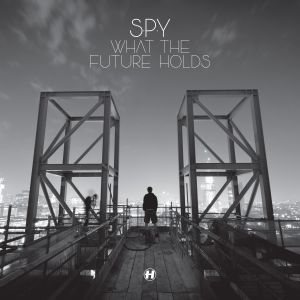
    SPY (or S.P.Y.) is the alias of Carlos Lima, a Brazilian born, London based musician who released his first full length album, What the Future Holds, in 2012 through Hospital Records after issuing a number of EPs dating back to 2006. He focuses largely on the liquid funk branch of drum and bass and combines a heavy dose of ambiance mixed with loud, repetitive percussion to keep the songs moving forward.

    He expands on his sound to create the standout crossover song Love Hurts, which has slow jazz piano chords playing with a subtle double bass and jazz drumming that is at times washed out by the overlain drum and bass percussion. While the jazz portion of the song is a slightly sped up sample of My Precious Thing by Llorca, the only other obvious samples that exist on the album are the distorted spoken word dialogue on Surge that has been lifted from the Remedy Entertainment video game Max Payne and a telephone being dialled and ringing on Kiss the Sky.

    More notably, the title track has a live performance of an oboe, bassoon and flute performed by Emily Johnston, Harry Ventham and Gemma Hawkins respectively, which are used to create a cinematic quality within the song and departs entirely from the drum and bass sound for roughly half of its length.

    Diane Charlemagne creates some memorable vocal performances on Analogue Dreams, See the Light and Hammer in My Heart, helping to distinguish the songs on the instrumentally lead album. Vocalist Ian Shaw features on the title track but unfortunately, like the jazz drumming on Love Hurts, he has to compete with the percussion to be heard clearly during his performance. Minor edited background vocals are also present on Bass Terror and Adrift but don’t have the same presence as the other performances.

    Unfortunately, What the Future Holds loses steam about 3/4 of the way into the album. This is partially due to most of the songs keeping a similar pace throughout, but mainly because SPY fails to justify the excessive length of the album, as there isn’t always enough material to flesh the songs out for as long as they are while keeping the listener engaged. If the CD edition was cut back to the length on the vinyl release (songs 1 to 8, making it 46 minutes long) then the condensed time would have greatly improve the listening experience.

    External Links:

    SPY Homepage
    SPY on Discogs | What the Future Holds on Discogs

  • Knife Party Rage Valley Review

    Artist: Knife Party
    Album: Rage Valley
    Genre(s): Electronic
    Subgenres(s): Dubstep, Electro House, Moombahton
    Released: 2012
    Length: 18 minutes
    Language(s): English
    Label(s): Earstorm, Big Beat (USA Only)

    Track List:

    01. Rage Valley
    02. Centipede
    03. Bonfire
    04. Sleaze (feat. MistaJam)

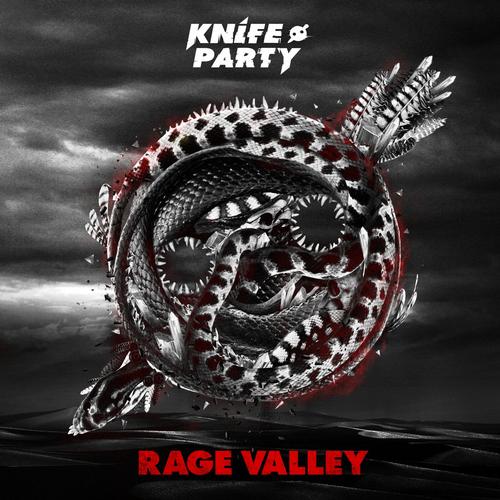
    Knife Party Rage Valley Cover

    Knife Party Rage Valley Review

    Rage Valley is the second EP released by duo Rob Swire and Gareth McGrillen of Pendulum fame, performing under the moniker Knife Party. Consisting of 4 songs and clocking in at a little over 18 minutes, the duo manages to seamlessly fuse dubstep and electro house into a condensed, yet remarkably diverse listening experience that ends with Sleaze, showcasing the newly emerging fusion genre Moombahton (a combination of reggaeton and house music).

    The eponymous track greets you with a sample of a gun being cocked and fired, which queues the song to jump into life. Starting out as a minute long frantic build up, it anticlimactically stops and begins to rebuild itself again more rapidly for about thirty seconds before unleashing aggressive bass lines and thundering percussion. It eventually calms down to introduce a more prominent synthesiser sound before reverting back into the bass heavy parts. Continuing in this fashion for the remainder of track, it sets the mood of the EP quite clearly.

    Vocals are sparsely arranged throughout the track Rage Valley and build in frequency as the EP progresses. The documentary-like introduction to Centipede is noteworthy for referencing the Pendulum song Tarantula and metaphorically killing the band off when stating “as quick as lightning, just like the tarantula it’s killing, the centipede has two curved hollow fangs which inject paralysing venom. Even tarantulas aren’t immune from an ambush”. This is before dropping into an unrelenting dubstep frenzy that makes up the remainder of the song.

    The latter two tracks, Bonfire and Sleaze, feature repetitive choruses but the line “until they kick us out” from Sleaze is repeated ad nauseum and could be the considered the low point of the EP just for the sheer frequency at which it is repeated. It will also make you forget about the well-crafted and tense, crawling introduction in no time at all. Bonfire, in contrast, sounds like a complete redux of Fire Hive (from their first EP 100% No Modern Talking), having toned down the bass, added a larger instrumental break between the minimalist lyrics and features a trumpet and a reggae inspired rhythm that has been brought to the forefront of the song, setting it apart from the rest of the EP and making it instantly recognisable.

    In short, the lyrics are still something to be desired but Rage Valley showcases better song writing and a refined edge that 100% No Modern Talking lacks. If comparing the direction of the two EP’s is anything to go by, future output from Knife Party will be well worth the listen as they continue to change their sound and push forward into new territory.

    External Links:

    Knife Party Homepage
    Knife Party on Wikipedia | Rage Valley on Wikipedia
    Knife Party on Discogs | Rage Valley on Discogs