Tag: Ulver

  • Ulver Nattens Madrigal – Aatte Hymne Til Ulven I Manden Review

    Preview in new tab

    General Information:

    Artist: Ulver
    Album: Nattens Madrigal – Aatte Hymne Til Ulven I Manden
    Genre(s): Heavy Metal
    Subgenre(s): Black Metal
    Released: 1997
    Length: 44 minutes
    Language(s): Dano-Norwegian
    Label(s): Century Media

    Track List:

    01. Hymne I: Wolf and Fear
    02. Hymne II: Wolf and the Devil
    03. Hymne III: Wolf and Hatred
    04. Hymne IV: Wolf and Man
    05. Hymne V: Wolf and the Moon
    06. Hymne VI: Wolf and Passion
    07. Hymne VII: Wolf and Destiny
    08. Hymne VIII: Wolf and the Night

    Note: Some versions of this album only use the roman numerals shown above for the track list so track 1 is “I” and track 8 is “VIII” etc.
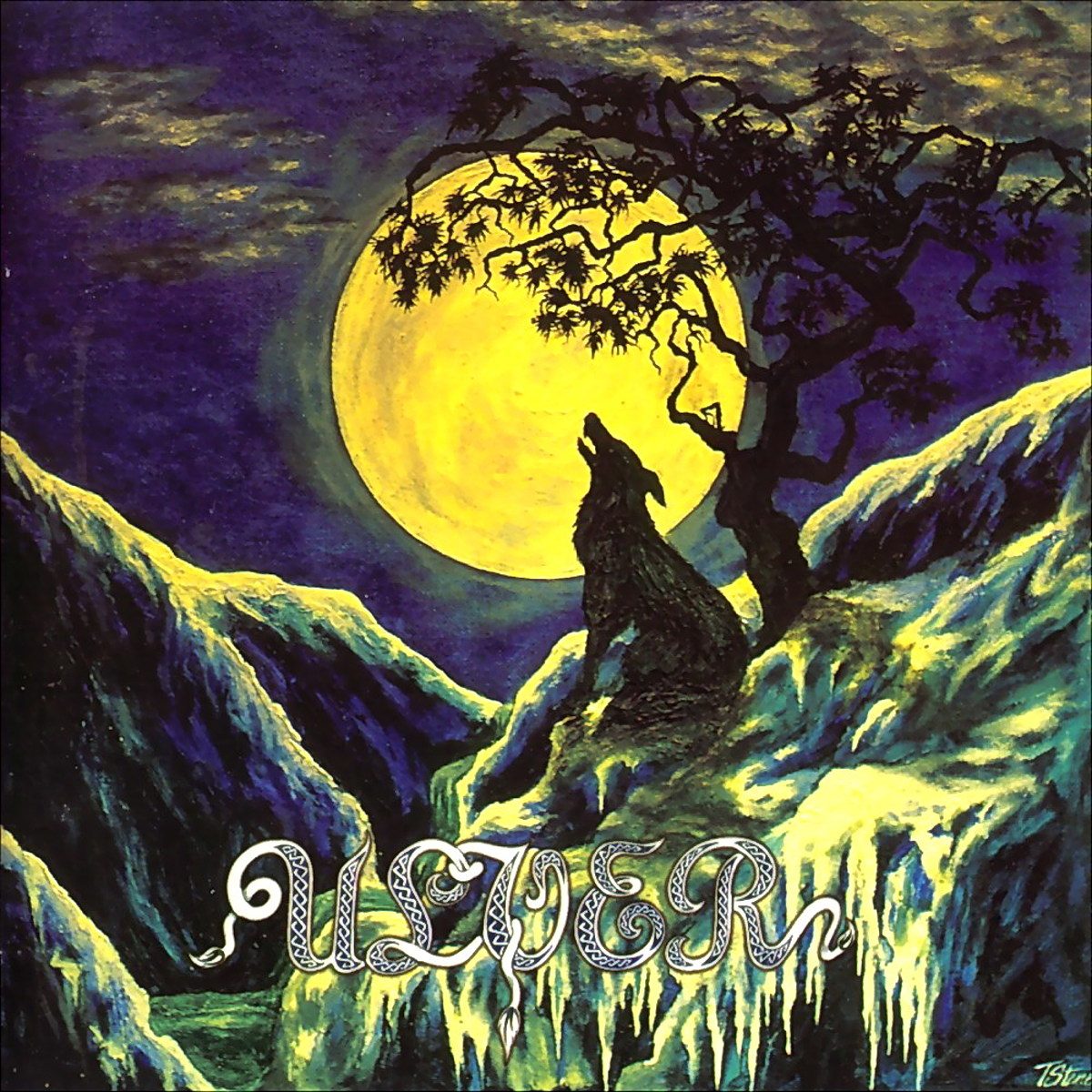
    Ulver Nattens Madrigal - Aatte Hymne Til Ulven I Manden Cover
    Ulver Nattens Madrigal – Aatte Hymne Til Ulven I Manden Cover

    Ulver Nattens Madrigal – Aatte Hymne Til Ulven I Manden Review

    Nattens Madrigal – Aatte Hymne Til Ulven I Manden, meaning “Madrigal of the Night – Eight Hymns to the Wolf in Man”, is the third album by Norwegian band Ulver. Bergtatt, their debut album, was a softer form of black metal with some influences from folk music, so Ulver proceeded to distil their hybrid sound into the original genres. The results of this are the neofolk sound on their second album, Kveldssanger, and their adherence to “raw” (read: under-produced) black metal here.

    The reasoning behind this under-produced album is supposed to be an intentional backlash against the growing popularity of black metal and bigger record labels signing the bands. The irony here is that Ulver moved from a small label, Head Not Found, to Century Media which already had a slew of success throughout the 1990s with Demolition Hammer, Iced Earth, Moonspell, Nevermore and then the City album by Strapping Young Lad that was released approximately 3 weeks before Nattens Madrigal.

    Unlike their previous two albums Nattens Madrigal is entirely undercooked as far as the recording goes. As a consequence the guitars sound like an angry swarm of bees, the drums patter away without any impact and the bass is an afterthought at best. Aside from a short acoustic interlude on track 1 and some even shorter ambient moments used to bridge certain songs together, there is nothing memorable or redeemable about this release.

    If there is anything worthwhile under all the noise it is forever lost on the intentionally-made mess that black metal fans tend to sing the praises of – which it certainly does not deserve – and there is no hint of irony. For anyone outside of this musical circle the mythical status Nattens Madrigal has achieved will forever be lost on them.

    If you didn’t have tinnitus before hearing Nattens Madrigal you certainly will after.

    https://www.youtube.com/watch?v=onFnt7JXMjQ

    Performers:

    Kristoffer “Garm” Rygg: Vocals
    Havard “Haavard” Jorgensen: Guitar
    Torbjorn “Aismal” Pedersen: Guitar
    Hugh “Skoll” Stephen James Mingay: Bass
    Eric “Aiwarikiar” Olivier Lancelot: Drums

    External Links:

    Ulver Homepage
    Ulver on Wikipedia
    Nattens Madrigal – Aatte Hymne Til Ulven I Manden on Wikipedia
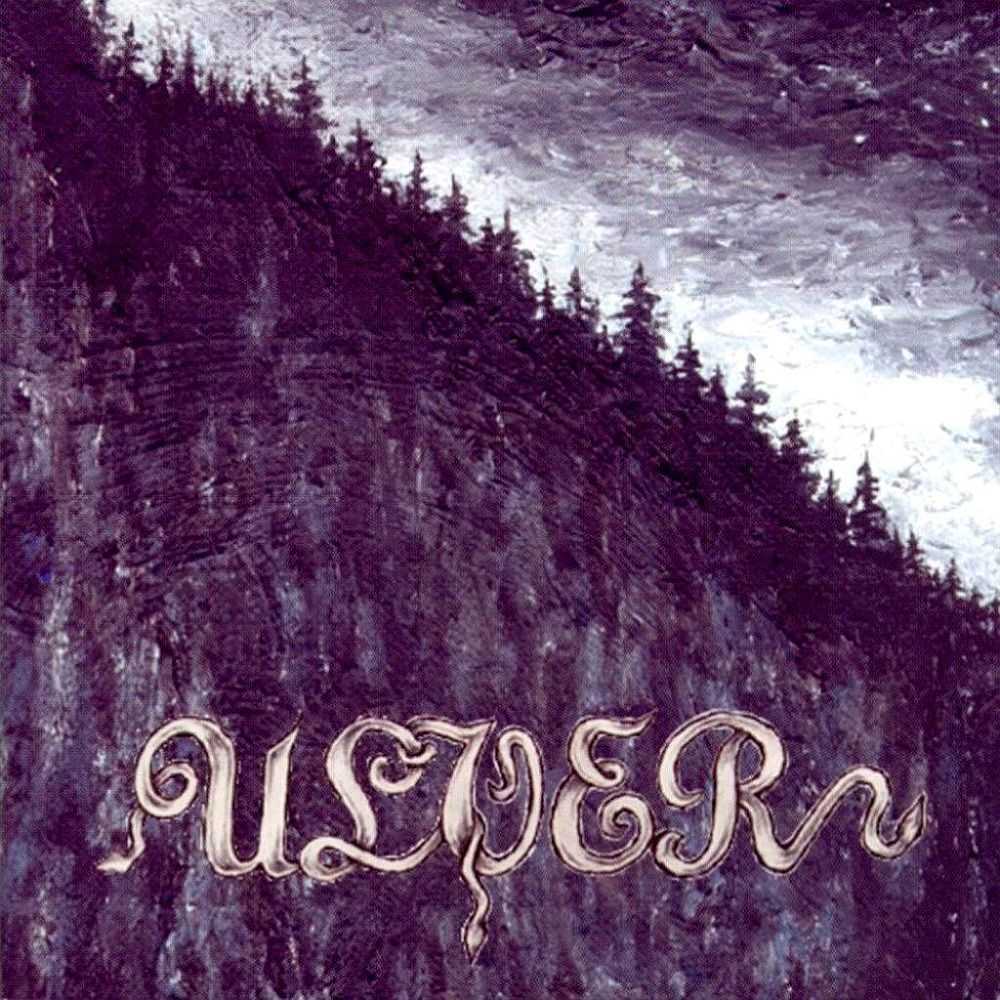
  • Ulver Bergtatt – Et eeventyr i 5 capitler Review

    General Information:

    Artist: Ulver
    Album: Bergtatt – Et eeventyr i 5 capitler
    Genre(s): Heavy Metal
    Subgenre(s): Black Metal
    Released: 1995
    Length: 34 minutes
    Language(s): Dano-Norwegian
    Label(s): Head Not Found

    Track List:

    01. Capitel I: I Troldskog Faren Vild
    02. Capitel II: Soelen Gaaer Bag Aase Need
    03. Capitel III: Graablick Blev Hun Vaer
    04. Capitel IV: Een Stemme Locker
    05. Capitel V: Bergtatt – Ind I Fjeldkamrene

    Ulver Bergtatt - Et eeventyr i 5 capitler Cover
    Ulver Bergtatt – Et eeventyr i 5 capitler Cover

    Ulver Bergtatt – Et eeventyr i 5 capitler Review

    Bergtatt – Et eeventyr i 5 capitler, meaning “Spellbound – A Fairy Tale in 5 Chapters”, is the debut album of Norwegian band Ulver. Bergtatt is an irregular album within the second wave of black metal in that it shows a young band embracing a then still-new and growing subgenre of music while melding it with outside influences, ultimately running contrary to the trends and conventions of the scene. This album would later proved to be a front runner for the fusion genre of blackgaze – an unorthodox hybrid of black metal and the shoegaze subgenre of rock music – which emerged a decade or so later.

    Translated into English as “Lost in the Dark Forest” the first song, or chapter as per the format used in the song titles, presents the listener with one of the most accessible black metal songs of the album’s era. The young singer and lyricist Kristoffer Rygg, known by the pseudonym “Garm” at this time, has a light voice that sounds as though he is gently calling out through the distortion like a person’s figure emerging from the mist as they approach you.

    With any knowledge of black metal you would expect him to turn into a shrieking harpy as the song mutates into a frenzy of wrathful black metal dominated by overbearing blast beats from drummer Erik Olivier Lancelot. Somehow this never happens and the listener is only snapped out of the hazy, distortion-induced trance by the sudden transition to an acoustic guitar interlude nearly 6 minutes in. As good as the performance is, the transition to this is jarring to the point of upsetting the flow of the song. However, the transition back to black metal is well-executed and the electric guitar lead playing to the conclusion of the song is both tasteful and memorable.

    It does not take long to recognise that Bergtatt was created from a black metal foundation and punctuated with outside influences. Most notably this outside influence comes from folk music. It often comes in the form of interludes but there are longer segments in other chapters. Flautist Lill Kathrine Stensrud gives her talents to Chapter 2 to create a pastoral feel when mixed with the acoustic guitar and this song somehow ends with a short and gentle acapella outro. She also performs backing vocals on Chapter 4 which sees Ulver playing a straight hand throughout this piece. Ulver fully realise their folk tendencies here and it makes for a standout moment on Bergtatt but some black metal enthusiasts might find this piece wanting.

    The preceding Chapter 3 leans heavily into black metal but bassist Hugh Mingay still remains prominent in the mix. He adds a certain moody atmosphere through the use of a slow and hypnotic hook and Ulver adds a sample of a gunshot, which rings out in the middle of all this, just in case there isn’t already enough chaos blasting out your speakers.

    Following another uneasy transition, which could have been compelling if it was developed further, the frantic black metal changes into an up-tempo acoustic segment. Later there is another sample but this time of the footsteps of someone stumbling through a forest for a good minute. Thematically it follows the narrative of the lyrics and has a somewhat cinematic quality to it when mixed it in with the piano piece courtesy of Steinar Sverd Johnsen (Arcturus) but it only takes away from his playing but the sample goes on for far too long.

    Chapter 5 is the finale to Bergtatt and it continues the fusion that listeners will be well acquainted with by this point. When the song fades out with some sound effects, it is briefly revived for another acoustic outro. However, given how quiet it gets for a few seconds it almost comes across as a separate song. This further demonstrates that these contrasting genres are not always melded together as skilfully one might wish even if Ulver are proficient with both on their own.

    Ulver have never been a band to be pigeonholed, even when looking back on the very beginning of their career, and their willingness to unapologetically experiment and follow their own guiding star allowed them to be true to their own artistic vision and create their own niche in or outside of any music scene.

    Performers:

    Kristoffer “Garm” Rygg: Vocals
    Havard “Haavard” Jorgensen: Guitar
    Torbjorn “Aismal” Pedersen: Guitar
    Hugh “Skoll” Stephen James Mingay: Bass
    Eric “Aiwarikiar” Olivier Lancelot: Drums

    Additional Musicians:

    Lill Kathrine Stensrud: Backing Vocals, Flute
    Steinar Sverd Johnsen: Piano

    External Links:

    Ulver Homepage
    Ulver on Wikipedia
    Bergtatt – Et eeventyr i 5 capitler on Wikipedia

  • Ulver Metamorphosis Review

    General Information:

    Artist: Ulver
    Album: Metamorphosis
    Genre(s): Ambient, Electronic, Trip Hop
    Subgenres(s): Dark Ambient, Trance
    Released: 1999
    Length: 25 minutes
    Language(s): English
    Label(s): Jester Records

    Track List:

    01. Of Wolves and Vibrancy
    02. Gnosis
    03. Limbo Central (Theme from Perdition City)
    04. Of Wolves and Withdrawal

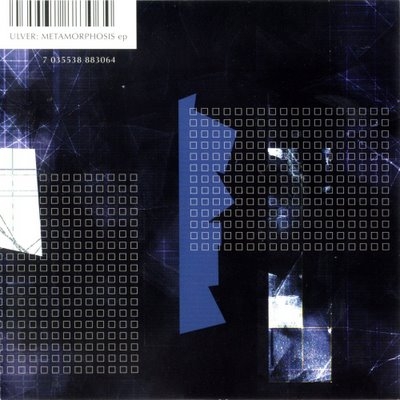
    Ulver Metamorphosis Cover
    Ulver Metamorphosis Cover

    Ulver Metamorphosis Review

    Metamorphosis is the first EP by Ulver. Following the release of the diverse “Themes from William Blake’s The Marriage of Heaven and Hell” double album a year earlier, Metamorphosis acts as both a stepping stone in the bands musical legacy and as a statement to their fans – more specifically the fans of their metal albums who didn’t like Ulver’s change in direction. Before you get to the music you can find a message in the CD case stating that “Ulver is obviously not a black metal band and does not wish to be stigmatized as such…” to try and cut ties with the heavy metal community as it becomes quite evident that they no longer want to play metal or be associated with the scene any longer since the Themes album apparently didn’t send a clear enough message.

    In the event that the written message got overlooked Ulver went out of their way to shake off any lingering detractors and made it as clear as possible by writing an all-out trance song called Of Wolves and Vibrancy to start the EP. After starting with some moody ambience the song proves to live up to its name when it kicks into life and since it is the only trance song in their catalogue, it gives the distinct impression of being a statement to further separate them from the heavy metal scene.

    Another twist comes with the second song, Gnosis, which combines dark ambient with trip hop and features lyrics from Bad Blood, a poem by the French author Rimbaud. For Ulver’s take on the poem it is sung entirely in English by Kristoffer Rygg who worked under the pseudonym Trickster G. on this EP. It is the only song to contain any vocals and Limbo Central (Theme from Perdition City) is another trip hop song with a more abrasive and experimental edge. As implied by the songs subtitle, this is the genre that would be embraced on their next album, Perdition City.

    Of Wolves and Vibrancy is an up tempo song, as implied by the name, so it follows on that Of Wolves and Withdrawal would be subdued in comparison. This proves to be true as Ulver crafted a 9 minute dark ambient song that is nearly impossible to hear unless you turn your speakers all the way up. You half expect a sudden dramatic shift in sound that will deafen you because of this as well as the eerie nature of the song, which doesn’t do you any favours in this respect. The song ebbs along slowly and proves to be a convincing effort but the decision to make the recording so quiet for one song is still questionable.

    There aren’t any stepping stones between Ulver’s black metal/folk era and their Themes album so in this instance the Metamorphosis EP gives the listener an opportunity to look at their transformation and embracement of electronically produced music. If nothing else this EP, which spans 3 distinct genres, proves that Ulver are more like chameleons than their namesake (wolves in Norwegian) at this point in their career.

    Performers:

    Trickster G: Various instruments
    Tore Ylwizaker: Various instruments
    Havard Jorgensen: Various instruments

    External Links:

    Ulver Homepage
    Ulver on Wikipedia
    Metamorphosis on Wikipedia

  • Ulver Shadows of the Sun Review

    Ulver Shadows of the Sun Review

    Artist: Ulver
    Album: Shadows of the Sun
    Genre(s): Ambient
    Subgenres(s): Ambient
    Released: 2007
    Length: 40 minutes
    Language(s): English
    Label(s): The End Records, Jester Records

    Track List:

    01. Eos
    02. All the Love
    03. Like Music
    04. Vigil
    05. Shadows of the Sun
    06. Let the Children Go
    07. Solitude (Black Sabbath Cover)
    08. Funebre
    09. What Happened?

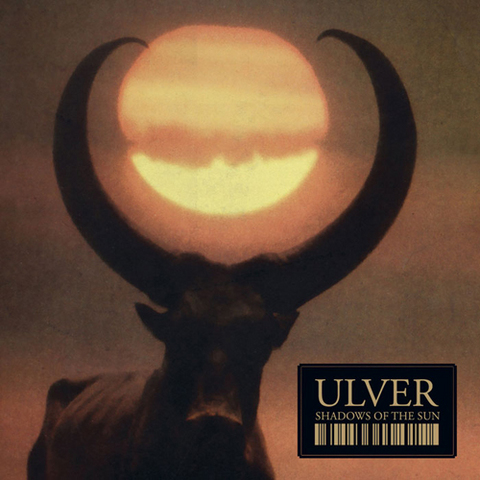
    Ulver Shadows of the Sun Cover

    Shadows of the Sun is an ambient album by Ulver. By this point in their career, anyone familiar with Ulver should know that you can’t predict what direction they’ll take on their next album and to live up to their reputation, they followed up their noisiest album in about a decade (Blood Inside, 2005) with one of their softest albums to date.

    Unlike the swirling keyboard sounds that are common to ambient music, Ulver utilises live instruments to make up the bulk of the album and go as far as including a theremin on Eos and Funebre while hiring a string quartet that appears on many of the songs. If sombreness could be personified by any musical work it would be Shadows of the Sun.

    If you listen to Shadows of the Sun casually a lot of the music can blend into a long soundscape but if you pay attention you will hear thoughtful piano melodies and dramatic strings that make Shadows of the Sun an exceptionally cohesive, low key album perfect for the small hours. Kristoffer Rygg’s voice remains within the baritone range for most of Shadows of the Sun, which suits the theme of the album perfectly and happens to be one of his strongest performances with Ulver.

    Ulver shakes off the hazy atmosphere by weaving glitchy noises and thudding percussion together on songs such as Like Music, a calm piano ballad that turns into an eerie dark ambient soundscape and Let the Children Go, which builds up to a dramatic martial industrial anthem with another appearance of the trumpet to avoid any accusations of monotony.

    Another standout moment is the cover of Black Sabbath’s Solitude, which holds true to the original but Ulver manages to make it their own song by making the bass more prominent and replacing the flute with the trumpet. It holds the same feeling as the original and surprisingly, it fits in with the rest of Shadows of the Sun despite it being the only rhythm based song on the entire album.

    The cover art for Shadows of the Sun is actually a good reflection of the album once you’ve heard it and although music doesn’t fit neatly into a single genre, ambient is the closest you will get given the texture heavy nature of the songs.

    Shadows of the Sun is a creative set of soundscapes that continue to explore the prevalent melancholic themes Ulver revel in to create (and reinvent) their unique musical vision with.

  • Ulver Perdition City Review

    Ulver Perdition City Review

    Artist: Ulver
    Album: Perdition City
    Genre(s): Electronic
    Subgenres(s): Trip Hop
    Released: 2000
    Length: 54 minutes
    Language(s): English
    Label(s): Jester Records

    Track List:

    01. Lost in Moments
    02. Porn Pieces or the Scars of Cold Kisses
    03. Hallways of Always
    04. Tomorrow Never Knows
    05. The Future Sound of Music
    06. We Are the Dead
    07. Dead City Centres
    08. Catalept
    09. Nowhere/Catastrophe

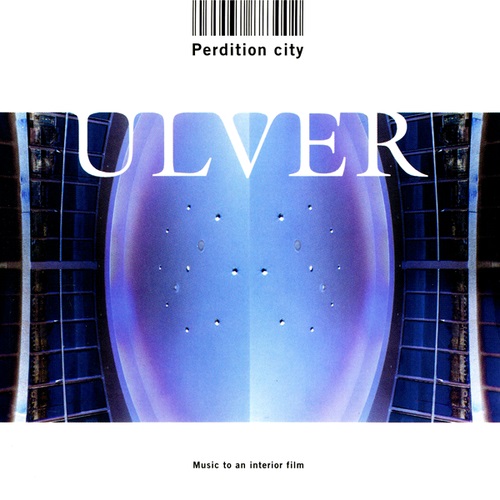
    Ulver Perdition City Cover

    Perdition City is the first full electronic album by genre hoppers Ulver. After dabbling with electronic music for their experimental album Themes from William Blake’s The Marriage of Heaven and Hell, they followed up with the aptly titled Metamorphosis in 1999 and a year later released Perdition City, the culmination of their musical progression.

    Ulver settled on trip hop to form the foundation of Perdition City and being the experimentalists that they are, they weren’t able to settle for a single sound and chose to incorporate elements of jazz music on certain songs that make for an interesting fusion of genres that work to the advantage of Perdition City.

    Unfortunately the knack Ulver has for experimenting goes awry with the introduction of We Are the Dead, a haunting dark ambient/spoken word song that spills over into Dead City Centres to make a 2 part song that ends with the audio of a fake film trailer. While not inherently bad on their own, they disrupt the flow of Perdition City and you’ll want to skip over them on future listens.

    Ulver then goes off at the deep end with Catalept, which is just a retitle of the song Prelude from the 1960 film Psycho with a simplistic drum beat slapped over the top. Much like the fake film trailer at the end of Dead City Centres, it is poor quality filler material and does nothing but hinder Perdition City.

    Thankfully The Future Sound of Music shows Ulver’s experimental tendencies moving in the right direction. It starts out as another unsuspecting trip hop song that suddenly explodes into an overdriven barrage of intense hammer-like percussion and warped noises. It lives up to its name and there is no other song on Perdition City or any other album that comes close to mimicking it.

    Ulver explored and even reinvented the trip hop sound in some instances on Perdition City. It is a shame that they never made a follow up trip hop album to refine and expand on this sound before moving onto another genre. They let the music do the talking for the most part and in doing so, they flow between rich and varied instrumental passages complemented by the jazz tinged moment that explore their introverted moods, or interior music as the albums subtitle allures to, in great depth.