Jonathan Hill

A Soapbox for Uninformed Opinions

By

Peeping Tom Peeping Tom Review

Peeping Tom Peeping Tom Review

Artist: Peeping Tom
Album: Peeping Tom
Genre(s): Rap, Rock
Subgenres(s): Rap Rock, Trip Hop, Trip Rock
Released: 2006
Length: 44 minutes
Language(s): English
Label(s): Ipecac Recordings

Track List:

01. Five Seconds
02. Mojo
03. Don’t Even Trip
04. Getaway
05. Your Neighborhood Spaceman
06. Kill the DJ
07. Caipirinha
08. Celebrity Death Match
09. How U Feelin?
10. Sucker
11. We’re Not Alone (Remix)
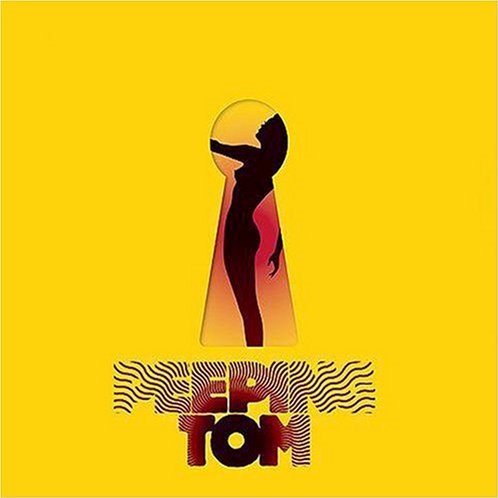
Peeping Tom Peeping Tom Cover

Peeping Tom is the debut album of Mike Patton’s rap rock music project of the same name. Put into motion in 2000, the album was recorded from then to 2006 and subsequently released that year. A wealth of guest performers and producers including Dan the Automator, Massive Attack, Kool Keith, Norah Jones and Rahzel amongst others are enlisted to bring a different sound to each song.

As this is a pop album of sorts, Mike Patton and his collaborators embracing rap, rock and downtempo music that is then blended into a broad set of rap rock and trip hop/trip rock songs with mostly conventional song structures and fewer of the eccentricities associated with many of his other bands (namely Fantomas, Mr. Bungle and his collaborations with John Zorn).

Some songs (Five Seconds, Mojo and We’re Not Alone) draw back to the rap rock sound of the late 1990s by alternating between rapping and singing to the well-established loud/quiet song structure dynamics. Thankfully the overblown angst ridden lyrics are out of the equation and this prevents it from becoming a pale imitation of the scene it draws inspiration from.

Mike Patton is a flexible vocalist as his long, meandering career has proven time and time again. He puts on a strong performance for the rock-centric parts of the album and while he can rap and beat box, it’s evident that it is not his forte and the guest vocalists often outshine him in this element.

Getaway, Your Neighborhood Spaceman, Celebrity Death Match and How U Feelin? favour a heavy helping of hip hop influences to balance out Peeping Tom’s sound while We’re Not Alone (Remix) is a brilliant summary of what Peeping Tom offers: hard guitar sounds, relaxed trip hop beats, diverse vocal performances and enough song progression to feed Mike Patton’s eccentric tendencies without alienating the listener.

Mike Patton never loses track of what he set out to accomplish with Peeping Tom and while it is certainly not a jarring effort, the breadth of styles used do give the album plenty momentum and a real sense of unpredictability.
By

Ulver Perdition City Review

Ulver Perdition City Review

Artist: Ulver
Album: Perdition City
Genre(s): Electronic
Subgenres(s): Trip Hop
Released: 2000
Length: 54 minutes
Language(s): English
Label(s): Jester Records

Track List:

01. Lost in Moments
02. Porn Pieces or the Scars of Cold Kisses
03. Hallways of Always
04. Tomorrow Never Knows
05. The Future Sound of Music
06. We Are the Dead
07. Dead City Centres
08. Catalept
09. Nowhere/Catastrophe

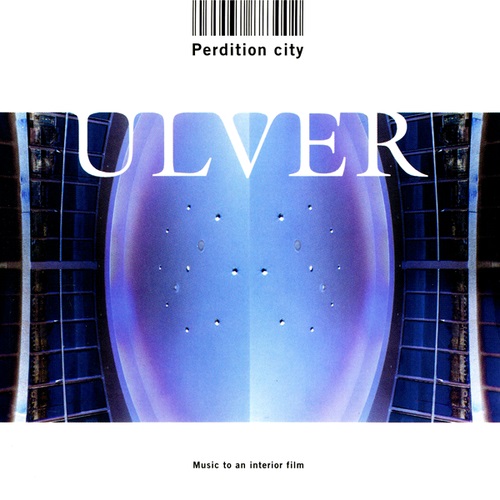
Ulver Perdition City Cover

Perdition City is the first full electronic album by genre hoppers Ulver. After dabbling with electronic music for their experimental album Themes from William Blake’s The Marriage of Heaven and Hell, they followed up with the aptly titled Metamorphosis in 1999 and a year later released Perdition City, the culmination of their musical progression.

Ulver settled on trip hop to form the foundation of Perdition City and being the experimentalists that they are, they weren’t able to settle for a single sound and chose to incorporate elements of jazz music on certain songs that make for an interesting fusion of genres that work to the advantage of Perdition City.

Unfortunately the knack Ulver has for experimenting goes awry with the introduction of We Are the Dead, a haunting dark ambient/spoken word song that spills over into Dead City Centres to make a 2 part song that ends with the audio of a fake film trailer. While not inherently bad on their own, they disrupt the flow of Perdition City and you’ll want to skip over them on future listens.

Ulver then goes off at the deep end with Catalept, which is just a retitle of the song Prelude from the 1960 film Psycho with a simplistic drum beat slapped over the top. Much like the fake film trailer at the end of Dead City Centres, it is poor quality filler material and does nothing but hinder Perdition City.

Thankfully The Future Sound of Music shows Ulver’s experimental tendencies moving in the right direction. It starts out as another unsuspecting trip hop song that suddenly explodes into an overdriven barrage of intense hammer-like percussion and warped noises. It lives up to its name and there is no other song on Perdition City or any other album that comes close to mimicking it.

Ulver explored and even reinvented the trip hop sound in some instances on Perdition City. It is a shame that they never made a follow up trip hop album to refine and expand on this sound before moving onto another genre. They let the music do the talking for the most part and in doing so, they flow between rich and varied instrumental passages complemented by the jazz tinged moment that explore their introverted moods, or interior music as the albums subtitle allures to, in great depth.